
Anti-Aging
Signal, Carrier, or Neurotransmitter? A Peptide Decoder
Four peptide classes, what each one claims, and which actually have human data. Your definitive guide to understanding peptides in skincare.
Disclosure — This article may contain affiliate links. We earn a small commission at no extra cost to you when you purchase through our links. This supports our ability to create independent, evidence-based skincare content.
Every beauty trend list for 2026 put peptides at the top. Not niacinamide. Not retinol. Peptides. And the beauty industry responded accordingly — there are now peptide serums at every price point, from a $12 The Ordinary formula to a $350 eye cream that claims to reverse time itself.
The problem is that “peptide” has become nearly meaningless as a marketing term. It’s been stretched to cover four completely different classes of ingredients that work in four completely different ways, with wildly different amounts of evidence behind them.
So let’s actually decode this. What are the four peptide classes, what does each one claim to do, and — most importantly — which ones have real human data backing them up?
What a Peptide Actually Is (The 30-Second Version)
Peptides are short chains of amino acids. Proteins — including collagen — are long chains of amino acids. So a peptide is basically a smaller piece of that puzzle.
Your skin already makes and uses peptides constantly. Some act as messengers, telling cells to produce more collagen. Some transport minerals into tissue. Some act on muscle receptors. The idea behind topical peptides is to deliver these signals from the outside — essentially hacking your skin’s own communication system.
Whether that actually works depends enormously on which peptide you’re talking about. And that’s where the four classes come in.
Class 1: Signal Peptides
What They Claim to Do
Signal peptides are supposed to tell your skin cells to make more of something — usually collagen, elastin, or hyaluronic acid. They’re mimicking the communication that naturally happens when skin is damaged and needs to repair itself.
The most famous example is Matrixyl, the trade name for palmitoyl pentapeptide-4. It shows up in more products than any other peptide class, and it’s been around long enough that there’s actually decent research behind it.
The Evidence
This is the peptide class with the strongest data. A 2009 double-blind, split-face clinical study (the kind dermatologists actually care about) found that Matrixyl reduced wrinkle volume and depth over 12 weeks. The results weren’t as dramatic as tretinoin, but they were real and measurable in humans, not just in lab cells.
Matrixyl 3000 — which combines palmitoyl tetrapeptide-7 with the original — has similar support. A published study showed both improved skin texture and reduced lines in subjects who completed a full treatment course.
Leuphasyl and argireline (more on that one in Class 3) also fall loosely here depending on the manufacturer’s framing, but the collagen-signaling peptides are genuinely the class you can rely on most.
What to Actually Look For
Check that palmitoyl pentapeptide-4 or palmitoyl tetrapeptide-7 appears in the first half of the ingredient list. If it’s buried after the preservatives, the concentration is probably too low to do much. Peptides are dose-dependent — a formula with 10 peptides at trace amounts isn’t automatically better than one with two peptides at meaningful concentrations.
Buffet Multi-Technology Peptide Serum
The Ordinary
$15
★★★★☆
Super Peptide Firming Serum
Paula's Choice
$65
★★★★½
Class 2: Carrier Peptides
What They Claim to Do
Carrier peptides don’t signal cells to do anything on their own. Instead, they bind to trace minerals — usually copper or manganese — and deliver them into skin tissue. The minerals then do the actual work.
GHK-Cu is the one you’ve heard about. It’s glycine-histidine-lysine bound to copper, and it’s everywhere right now. The claims range from wound healing and collagen synthesis support to anti-inflammatory activity and even hair growth. Some of those claims are much better supported than others.
The Evidence
Copper peptides have a legitimate history in clinical medicine — GHK-Cu was originally studied in wound care, not cosmetics, and the skin-healing data from that context is real. The leap to “anti-aging serum” is a bit of a stretch from those origins, but it’s not unfounded either. There are in vitro and animal studies showing effects on collagen and elastin production, and a handful of small human trials.
What’s missing is the kind of large, randomized, double-blind human trial you’d want before calling something proven. The copper peptides guide goes deep on this — short version is that the evidence is promising but not conclusive, and the optimism you see in the market is running slightly ahead of the data.
That said, carrier peptides are generally well-tolerated and have a decent safety record. Using them is a reasonable bet, especially in a serum layered with better-evidenced actives.
Concentration Matters — A Lot
Copper peptides are also one of the rare cases where too much could theoretically cause problems. High concentrations can act pro-oxidant rather than antioxidant. This is why most well-formulated products keep GHK-Cu under 1-2%. If a brand is touting an unusually high percentage as a selling point, that’s worth a raised eyebrow.
Also: don’t use copper peptides on the same day as vitamin C or exfoliating acids. The copper can oxidize ascorbic acid, and acids can potentially destabilize the peptide complex. Save the copper peptide serum for your evening routine or alternate days.
Class 3: Neurotransmitter-Inhibiting Peptides
What They Claim to Do
This is the class that gave peptide marketing a slightly unhinged edge. Neurotransmitter-inhibiting peptides — sometimes called neuropeptides or “Botox-like” peptides — claim to reduce muscle contractions in the face, softening expression lines the way injectable neuromodulators do.
Argireline (acetyl hexapeptide-3) is the poster child. It works, in theory, by interfering with the SNARE protein complex that tells muscles to contract. Leuphasyl is similar. Both show up constantly in eye creams and forehead serums with “Botox alternative” adjacent language.
The Evidence
Dramatically weaker than the signal peptide class. The published human data is sparse, the studies that do exist tend to be small and funded by ingredient manufacturers, and the mechanisms rely on a peptide reaching a neuromuscular junction — which requires penetrating multiple skin layers at therapeutic concentration.
Some researchers are skeptical that topically applied neuropeptides reach the relevant tissue depth at all. The concentration needed for a clinical effect is likely much higher than what a serum can deliver without compromising skin barrier function or causing irritation.
The honest summary: these peptides probably do something. The something is almost certainly much more modest than “non-injectable Botox.” If you have expression lines and you’re set on a topical approach, a formula with argireline isn’t going to hurt you. Just don’t expect your forehead to stop moving.
The bigger story for people seeking needle-free alternatives is that retinol and retinoids are still more proven for overall line reduction than any neuropeptide. See retinol vs retinaldehyde vs tretinoin if you’re at that decision point.
Class 4: Enzyme-Inhibiting Peptides
What They Claim to Do
Enzyme-inhibiting peptides block specific enzymes that break down collagen or skin matrix proteins. Rather than stimulating production (signal peptides) or feeding ingredients to cells (carrier peptides), they focus on protecting what you already have.
Soybean-derived peptides that inhibit MMP (matrix metalloproteinase) enzymes are one example. Syn-coll (palmitoyl tripeptide-5) is another — it’s sometimes categorized as a signal peptide, but its mechanism involves TGF-beta pathway stimulation and MMP inhibition, putting it in hybrid territory.
The Evidence
Moderate and improving. MMP inhibition as a strategy for preventing collagen breakdown has solid biochemical logic behind it — we know MMPs are upregulated by UV exposure and that this degradation contributes to photoaging. Whether topical enzyme-inhibiting peptides block this process at clinically meaningful levels in humans is still being established.
A few clinical studies do show measurable improvements in skin firmness and fine line depth, but the data is thinner than signal peptides and the ingredient names are less standardized, which makes it harder to compare products. This class is worth watching over the next few years — the science is moving.
How All Four Classes Work Together (and When They Don’t)
Most peptide serums you’ll find on shelves don’t pick just one class. They combine signal peptides, carrier peptides, and sometimes enzyme-inhibitors in a single formula, betting on complementary mechanisms.
That approach makes sense in principle. The issue is that it can make it genuinely impossible to know which ingredient is doing what. If a product with 12 peptides works, you can’t attribute the result to any particular one — which is convenient for marketing and frustrating for science.
A few things to know when building your routine:
Peptides pair well with niacinamide. Niacinamide supports the skin barrier and has its own collagen-adjacent effects. No conflicts, and niacinamide is cheap. (Full niacinamide breakdown here.)
Peptides and retinol can coexist — but timing matters. Use your retinol at night and your peptide serum in the morning, or on alternate nights if you’re skin cycling. Retinoids are still the gold standard for structural changes; peptides complement rather than compete.
Vitamin C in oil format is an interesting pairing option. If you want antioxidant protection layered with your peptide routine but prefer to keep the serum step simple, an oil-based vitamin C formula can do both antioxidant and moisturizing work in one step.
The Kerala Botanics Ayurvedic Vitamin C Face Oil is worth flagging here. It uses a stabilized vitamin C form claimed to stay active in skin cells significantly longer than L-ascorbic acid, combined with bakuchiol — a plant-based retinol alternative that’s relevant if you want retinol-adjacent effects without the irritation risk. It’s an oil, which means it’s better suited to normal-to-dry skin types and won’t work for everyone under makeup. But for a simplified routine where you want vitamin C, a retinol alternative, and moisturization in one step, the math is reasonable at $49.
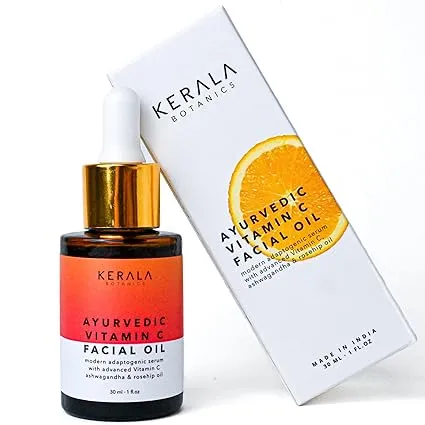
Ayurvedic Vitamin C Face Oil
Kerala Botanics
$49
★★★★☆
Which Peptide Class Should You Actually Prioritize?
Honest ranking by strength of human evidence:
- Signal peptides (Matrixyl, Matrixyl 3000) — the most studied, the most documented in human trials. Start here.
- Carrier peptides (GHK-Cu) — good theoretical base, promising data, some real clinical history in wound care. Worth including, especially in an evening formula.
- Enzyme-inhibiting peptides — watch this space. The logic is sound; the human data is catching up.
- Neurotransmitter-inhibiting peptides — the weakest evidence. Use if you want, but don’t pay a premium specifically for argireline.
If a $200 serum is selling itself primarily on neuropeptide content with “Botox-like” claims, that’s where I’d push back hardest. The evidence doesn’t justify the premium over a well-formulated signal peptide product.
For people starting out with peptides, the SkinCeuticals A.G.E. Interrupter Advanced has a decent evidence base and clinical data behind its specific peptide blend — though at $180, it’s a serious investment.
A.G.E. Interrupter Advanced
SkinCeuticals
$180
★★★★☆
If $15-18 is more your speed, The Ordinary’s peptide serums are a solid starting point. They’re not glamorous, but they contain the right peptide types at reasonable concentrations, and they’ve been reformulated since the early versions to improve stability.
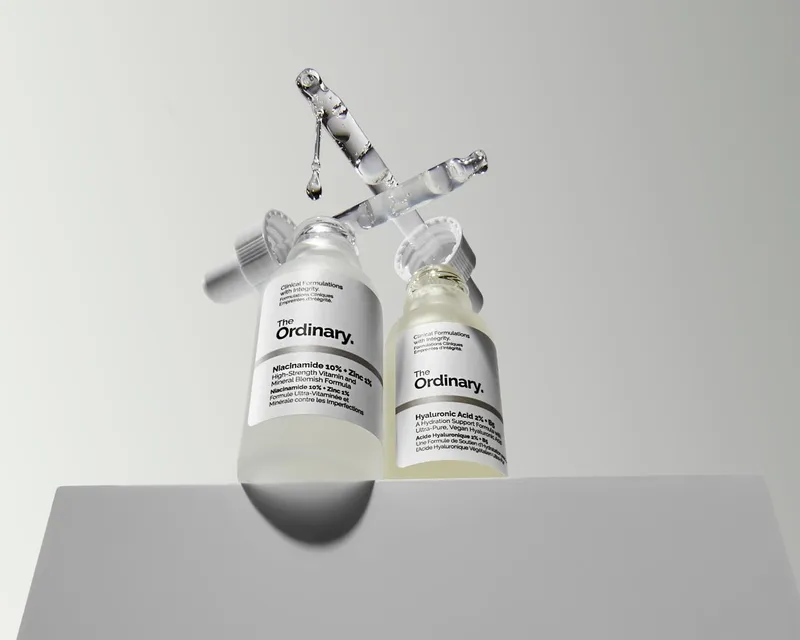
Multi-Peptide + HA Serum
The Ordinary
$18
★★★★☆
Red Flags in Peptide Marketing
A few things to watch for when a peptide product feels more like hype than science:
“Up to X% reduction in wrinkles” — that number almost always comes from a self-reported perception survey, not objective measurement. It tells you something about how users feel, not what a calliper showed.
Patent-pending peptide blends with no INCI names disclosed — if you can’t see the actual ingredient names, you can’t verify what class they are, where they fall in the formula, or whether any published data exists. Pass.
“Clinically proven” without a citation — who ran the study? Was it peer-reviewed? Was it a cell study or a human trial? These are not aggressive questions. They’re basic.
12+ peptides in one product — more is not automatically better. Formulation is about stability and concentration. A formula that lists 12 peptides without any indication of their concentrations might just have 12 peptides at ineffective doses.
Putting It All Together
The peptide category is genuinely exciting — and genuinely overhyped in equal measure. Here’s the actual takeaway:
Signal peptides have real human data and belong in your anti-aging rotation. Carrier peptides are a reasonable bet with a legitimate history, especially copper peptides in a well-formulated serum used consistently at night. Enzyme-inhibiting peptides are the emerging class to watch. Neurotransmitter peptides make dramatic claims backed by modest evidence — use them if you like, but don’t let them drive your product decisions or your budget.
Peptides work best as part of a routine that already has the fundamentals: SPF daily (non-negotiable), a retinoid if your skin tolerates it, and a barrier-supporting moisturizer. Layering peptides on top of that foundation makes sense. Building a routine around peptides alone, without those fundamentals, is putting the cart before the horse.
For deeper reading: the best peptide serums of 2026 rounds up the top formulas across budget ranges, and the collagen banking guide is worth reading if you’re thinking about starting anti-aging work earlier rather than later. And if the whole “what does this ingredient actually do” question keeps nagging you, the how to read skincare ingredient labels guide will help you decode any formula on your shelf.
Peptides aren’t magic. But the signal peptide class, in particular, is closer to real skincare science than most of what gets trend-listed every January. That’s more than you can say for a lot of ingredients wearing the “anti-aging” label in 2026.