
Anti-Aging
Astaxanthin: The Algae Antioxidant Derms Won't Shut Up About
Astaxanthin is one of the strongest antioxidants ever tested, but its deep red color limits how much can go in a bottle. Here's the real evidence.
Disclosure — This article may contain affiliate links. We earn a small commission at no extra cost to you when you purchase through our links. This supports our ability to create independent, evidence-based skincare content.
Flamingos are pink because of what they eat. Salmon is that orange-red color for the same reason. The pigment responsible is astaxanthin, and it turns out the thing that makes a bird pink is also one of the most potent antioxidants we’ve ever studied in a lab. That’s not an exaggeration — astaxanthin has been shown to neutralize free radicals at a rate that makes vitamin C look a little tired by comparison.
So why isn’t it in every serum on your shelf? Mostly because of that color. A pigment strong enough to dye a flamingo pink will absolutely stain your white pillowcase, your bathroom sink, and your face if a formulator isn’t careful. That one quirk has shaped the entire category, from how much can actually go in a product to why most of the serious research happens with oral supplements instead.
We’re going to walk through what astaxanthin actually does, what the topical and oral evidence shows, and how it stacks up against the antioxidants you already know — vitamin C and ergothioneine. No hype, no “miracle molecule” nonsense. Just the real picture.
What Astaxanthin Actually Is
Astaxanthin is a carotenoid, the same family of pigments that gives carrots their orange and tomatoes their red. It’s produced naturally by a microalgae called Haematococcus pluvialis, which makes it when it’s stressed — too much sun, not enough water. The algae essentially coats itself in this deep red pigment as a chemical sunscreen and antioxidant shield. Krill, shrimp, and salmon eat the algae (or eat something that ate the algae), which is how the pigment ends up turning their flesh pink.
Structurally, astaxanthin sits in both the water-loving and oil-loving parts of a cell membrane at the same time. That’s unusual. Most antioxidants are good at protecting one layer or the other — vitamin C works in the watery parts of your skin, vitamin E works in the oily parts. Astaxanthin spans the whole membrane, which is part of why researchers get excited about it. In theory, it’s protecting the entire structure, not just half of it.
If you want the bigger picture on how antioxidants work together in a routine, our antioxidant skincare guide is a good place to start before you add anything new.
The Topical Evidence: Promising, But Thinner Than You’d Think
Here’s where I have to be honest with you, because that’s the whole point of this site. Topical astaxanthin research in humans exists, but there isn’t a mountain of it. A few small studies — think 20 to 40 participants, 8 to 12 weeks — have shown improvements in fine lines, elasticity, and moisture retention when astaxanthin cream was applied daily. One often-cited Japanese study found visible reduction in wrinkles and age spots after combining topical and oral astaxanthin.
That combination detail matters. A lot of the more convincing results come from studies pairing a topical cream with an oral supplement, not topical alone. So if you’re expecting a serum by itself to perform like a prescription retinoid, pump the brakes. It’s a solid supporting antioxidant, not a standalone anti-aging treatment.
What astaxanthin does seem to do well, even in smaller studies, is calm visible redness and support the skin barrier after UV exposure. It’s not a sunscreen replacement — nothing applied topically is, and please wear your actual SPF — but as a post-sun, antioxidant-boosting step, the mechanism checks out.
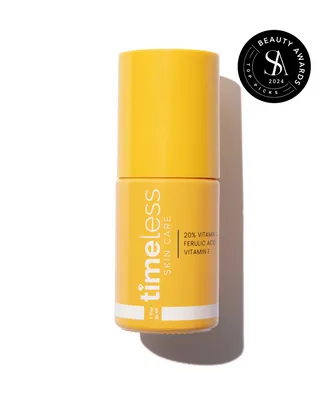
Astaxanthin Serum
Timeless Skin Care
$17.95
★★★★☆
This one’s a good entry point if you want to try topical astaxanthin without spending a fortune. It’s a thin, slightly tinted serum — more on that tint in a second — that layers fine under moisturizer. Don’t expect overnight miracles. Think of it as a quiet, long-game addition to a routine that already has a retinoid or vitamin C doing the heavy lifting.
The Oral Evidence: Where Astaxanthin Actually Shines
This is the part that surprised me when I first went down the research rabbit hole. Oral astaxanthin has considerably more human data behind it than the topical version, and the results are more consistent.
Multiple double-blind, placebo-controlled trials — the gold standard for this kind of research — have looked at daily oral astaxanthin (usually 4 to 12mg) over 8 to 16 weeks. The findings keep repeating: improved skin elasticity, reduced transepidermal water loss (a fancy way of saying your skin holds onto moisture better), and measurable reduction in UV-induced damage markers. One frequently cited study out of Japan followed women taking 6mg daily for 8 weeks and found improvements in both wrinkle depth and skin moisture compared to placebo.
Astaxanthin also shows up a lot in eye health and exercise recovery research, which tells you something about how it behaves systemically — it’s not just sitting in your skin, it’s circulating and doing antioxidant work throughout the body. That’s a genuinely different profile than a topical-only ingredient.
If you’re the type who’s into ingestible beauty and already takes collagen or similar supplements, astaxanthin is one of the few orals with actual placebo-controlled data behind it, which puts it ahead of a lot of what’s sold on that shelf.
Hawaiian Astaxanthin 12mg
Nutrex Hawaii (BioAstin)
$32.99
★★★★½
BioAstin is grown in Hawaii using a closed system that avoids a lot of the contamination risk you get with algae sourced in open ponds. It’s one of the most studied astaxanthin brands out there and the dosing (12mg) sits comfortably in the range used in the research. A bottle lasts a couple of months at the lower end of the dose. Worth it if you want the systemic benefits and aren’t precious about adding a pill to your routine.
Why the Color Is the Whole Story
Let’s talk about the red. Astaxanthin is one of the most intensely pigmented natural compounds used in skincare — way more concentrated-looking than beta-carotene, more saturated than most plant extracts you’ve seen. At the concentrations shown to do anything in research (typically 0.1% or higher in topical formulas), it stains. Fabric, skin if left too long without blending, applicators, everything.
This is the actual, unglamorous reason you don’t see astaxanthin as a headline ingredient the way you see vitamin C or niacinamide. Formulators either have to keep the concentration low enough that the tint is manageable — which also keeps the dose below where some of the research benefit kicks in — or they accept the tradeoff and warn you it might leave a faint pink cast for a few minutes after application. Neither option is great for a mass-market serum that needs to look clear and feel weightless.
It’s the same practical problem you see with other naturally pigmented actives. Our piece on why vitamin C oxidizes orange covers a related issue — ingredients that are chemically unstable or visually conspicuous tend to get formulated more conservatively than the research would otherwise support. Astaxanthin is a textbook case. The molecule is powerful. The cosmetic chemistry around it is the limiting factor, not the biology.
Astaxanthin vs Vitamin C vs Ergothioneine: The Honest Comparison
I get asked constantly whether astaxanthin should replace vitamin C in a routine. Short answer: no, and I’d push back on anyone telling you it should.
Vitamin C has decades of clinical data, proven brightening effects, and a direct role in collagen synthesis that astaxanthin doesn’t really replicate. If brightening and firmness are your main goals, vitamin C still does things astaxanthin can’t. Our breakdown of the best vitamin C face oils is a good next read if that’s your priority.
Ergothioneine is the newer “longevity antioxidant” getting a lot of attention, and it’s genuinely stable, gentle, and well tolerated — arguably more stable in a formula than either vitamin C or astaxanthin. But it doesn’t have astaxanthin’s cross-membrane reach, and the human skin data is still younger. We go deep on it in our ergothioneine guide if you want the full picture.
Astaxanthin’s actual strength is breadth — it protects both watery and oily parts of the cell, and the oral research for systemic antioxidant support is some of the most consistent in this entire category. What it’s not is a brightening agent or a collagen booster in the way vitamin C is marketed to be.
My honest take: these three aren’t competing for the same job. Vitamin C brightens and firms, ergothioneine calms and stabilizes, astaxanthin protects broadly and does its best work taken orally. If your routine has room, layering a light topical antioxidant serum with an oral astaxanthin supplement covers more ground than doubling down on any single one.
If you’re trying to simplify instead of stacking five separate products, an oil-based multitasker is worth a look. The Kerala Botanics Ayurvedic Vitamin C Face Oil combines a stabilized, longer-lasting form of vitamin C with bakuchiol in one step, which solves a different problem than astaxanthin does — it’s about routine simplicity, not membrane-spanning antioxidant coverage. The oil format won’t suit very oily skin, and it doesn’t have astaxanthin’s systemic research behind it, but for anyone who wants vitamin C and a retinol alternative without adding three separate bottles, it’s a smart consolidation.

Ayurvedic Vitamin C Face Oil
Kerala Botanics
$49
★★★★☆
How to Actually Use Astaxanthin
If you want to try the topical route, patch test first — the pigment can be a little much for very fair or very reactive skin, and nobody wants a surprise pink tinge before a work video call. Apply it after cleansing, before moisturizer, and give it a minute to sink in so it doesn’t transfer to your pillow.
If you’re more interested in the oral side, stick to a dose in the studied range (4-12mg daily) and give it at least 8 weeks before judging results. This isn’t a same-week ingredient. It works slowly, the way most systemic antioxidants do.
Don’t expect either format to replace your sunscreen, your retinoid, or your vitamin C. Astaxanthin plays a supporting role, a genuinely well-researched one on the oral side, but a supporting role nonetheless.
Putting It All Together
Astaxanthin earns its reputation. The lab data on its antioxidant strength is real, and the oral human studies are more convincing than most supplement claims you’ll come across. The topical evidence is promising but still thinner, partly because the ingredient’s own deep red pigment limits how much formulators can actually use before it starts staining everything it touches.
Don’t treat it as a vitamin C replacement or a magic fix. Treat it as one more well-supported tool, best used orally if you want the strongest evidence, and layered thoughtfully if you’re adding it topically. Pair it with the antioxidants that are already doing good work in your routine, give it time, and keep your expectations realistic. That’s how every ingredient in this category earns its spot — slowly, and with the receipts to back it up.