
Routines
La Roche-Posay Cicaplast Baume B5 Review
Our La Roche-Posay Cicaplast Baume B5 review: tested as an overnight mask, on retinoid irritation, and on hands, plus B5+ and plain petrolatum compared.
Disclosure — This article may contain affiliate links. We earn a small commission at no extra cost to you when you purchase through our links. This supports our ability to create independent, evidence-based skincare content.
Quick Verdict: 4.6 out of 5
La Roche-Posay Cicaplast Baume B5 is the barrier-repair benchmark for a reason. It’s a soothing, fragrance-free balm that calms irritated skin, works on your face, hands, and lips, and costs about as much as a sandwich. It isn’t a miracle, and plain petrolatum still beats it on raw occlusion. But for everyday rescue duty, it’s hard to top.

Cicaplast Baume B5
La Roche-Posay
$16
★★★★½
What we liked
- + Fragrance-free and gentle enough for raw, irritated skin
- + Multi-use: face, hands, lips, chafed spots
- + Cushiony, non-greasy feel that wears well overnight
- + Cheap for how many jobs it does
Worth noting
- - Not a stronger occlusive than plain petrolatum
- - Too rich for oily or acne-prone skin as an all-over moisturizer
- - The tube empties fast if you use it on hands
The benchmark barrier balm: not magic, but it's the one we reach for first when skin is angry.
What Cicaplast Baume B5 Actually Is
It’s a thick, soothing multi-purpose balm. The headline ingredients are 5% panthenol (provitamin B5), madecassoside (a calming compound from centella asiatica), glycerin, shea butter, and a zinc-copper-manganese mineral blend.
Think of it like a good first-aid kit. Each piece does a small job. Panthenol helps skin hold onto water, madecassoside takes the edge off redness, glycerin pulls in moisture, and the richer base keeps it from evaporating. If you want the ingredient-level breakdown, our panthenol guide covers why that humble B vitamin keeps showing up in barrier products.
It’s fragrance-free, which matters more than any single active when your skin is reactive. The tube we tested was the 40 mL size, and the price hovers around $16 depending on where you shop.
Texture and Application
Pull the cap off and you get a white, dense, slightly bouncy cream. It’s thicker than a typical moisturizer and thinner than a true ointment.
It spreads easier than you’d guess. A pea-sized amount covers a cheek, and it settles into a soft, slightly cushiony finish rather than a slick one. There’s a faint tackiness for the first few minutes, then it mellows out. No sting, no scent, no weird film.
Under makeup? Only if your skin is dry. On a normal day it can ball up under foundation, so we keep it for nights and for rough patches.
Test One: The Overnight Mask
This was the main event. We used a thin layer as the last step at night, over a simple moisturizer, and then a thicker layer on the driest areas.
The first morning: skin felt calm and plump, not greasy. We didn’t wake up with a shiny pillowcase situation, which is the usual tax for heavy balms.
Two weeks in: the dry patches around the nose and chin stopped flaking. Makeup sat better, which was a nice surprise. Tightness in the afternoon faded.
One month in: the benefit plateaued, which is fine. A balm like this keeps skin steady while it heals itself. It doesn’t permanently change your skin.
The catch is oily and breakout-prone skin. Used as a full-face mask, it felt a bit much on the T-zone for anyone prone to congestion. If that’s you, spot-treat the dry areas only. Our barrier repair guide has a fuller plan for when your skin is truly wrecked.
Test Two: Retinoid Irritation
This is where Baume B5 earns its reputation. Retinoids can leave skin red, peely, and stingy, especially in the first few weeks or when you push the frequency too fast.
We used it two ways. First, as a buffer: a thin layer on the driest zones before the retinoid, mostly around the nose and mouth. Second, as the recovery layer on top, after a moisturizer, on the nights when skin felt raw.
Both worked. The buffer method cut down on the flaking at the corners of the nose. The recovery layer calmed the burning feeling within a few minutes, and skin looked noticeably less pink by morning.
It doesn’t fix the underlying problem if you’re overdoing your actives, though. If you keep reaching for the balm every night because your skin is on fire, the issue is the retinoid schedule, not the balm. Our piece on using retinol in winter without wrecking your barrier walks through how to space things out.
Test Three: Hands
Hands are the hardest test. They get washed, sanitized, and exposed to cold air all day.
Baume B5 works, but it’s not our first pick here. After a night of slathering it on and wearing cotton gloves, cracked knuckles looked much better by morning. For quick daytime use, though, it’s a bit thick, and a 40 mL tube disappears quickly if you use it on both hands several times a day.
Our verdict: great for emergency repair on a cracked cuticle or a chapped knuckle. For a daily hand routine, a dedicated hand cream in a bigger tube makes more sense. We rounded up the options in our best hand creams for winter list.
Baume B5 vs. B5+ vs. Plain Petrolatum
This is the comparison people ask us about most.
B5+: La Roche-Posay’s newer version is positioned as an upgraded formula with added soothing and repair claims. In our use it spread a little more easily and felt similarly comforting. Is it meaningfully better? For most people, we didn’t find a dramatic difference. Check the ingredient list if you have specific sensitivities, and pick whichever you can find for less.
Plain petrolatum: Vaseline and its generic cousins are the stiffest competition. Petrolatum is the most effective occlusive we have, meaning it’s best at stopping water from escaping your skin. It’s also dirt cheap. Baume B5 feels nicer, absorbs better, and brings soothing ingredients to the table, but we don’t have strong head-to-head trials proving it heals skin faster than plain petrolatum alone. Our petrolatum guide makes the full case for the cheap stuff.
Here’s how we’d sum up the choice:
| Product | Price (approx.) | Best for | Feel |
|---|---|---|---|
| La Roche-Posay Cicaplast Baume B5 | $16 / 40 mL | All-purpose soothing and repair | Cushiony, slightly tacky, not greasy |
| La Roche-Posay Cicaplast Baume B5+ | $20 / 40 mL | People who want the newest version | Similar, a touch easier to spread |
| Plain petrolatum (Vaseline) | $5 to $8 | Maximum occlusion on a budget | Slick, heavy, greasy |
| Kerala Botanics Ayurvedic Vitamin C Face Oil | $49 / bottle | Gentler active option, not a barrier balm | Lightweight oil |
Our take: if your skin is wounded, start with petrolatum or Baume B5. If you want comfort and a nicer feel, go with Baume B5. If you hate the sticky tackiness of straight petrolatum, Baume B5 is the compromise that works.
Worth Considering: If Retinoids Keep Winning the Fight
If the real problem is that retinoids keep irritating you, a balm is a bandage. One alternative route is swapping to a gentler active altogether.
Kerala Botanics’ Ayurvedic Vitamin C Face Oil pairs a stabilized form of vitamin C with bakuchiol, the plant-based retinol alternative, in an oil that doubles as moisturizer. It won’t repair a broken barrier the way Baume B5 does. It’s a different tool for a different job.
The honest caveats: oil formats don’t suit very oily skin, it feels heavy under makeup for some people, and it has far less clinical data behind it than something like SkinCeuticals CE Ferulic. And bakuchiol isn’t a one-to-one swap for prescription retinoids. We break down what the research does and doesn’t show in our bakuchiol vs retinol comparison.
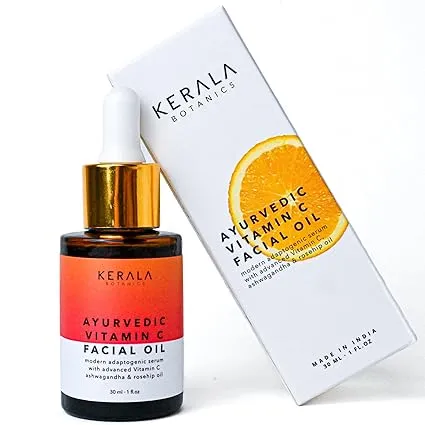
Ayurvedic Vitamin C Face Oil
Kerala Botanics
$49
★★★★☆
What we liked
- + Pairs vitamin C with bakuchiol, a plant-based retinol alternative
- + Replaces serum, moisturizer, and oil in one step
- + Oil format is unusual for vitamin C
Worth noting
- - Oil format won't suit very oily skin
- - Less clinical data than SkinCeuticals CE Ferulic
- - Can feel heavy under makeup for some
Not a barrier balm, but a reasonable option if retinoids keep wrecking your skin and you want a gentler active.
Who Should Buy It
Baume B5 is a great fit if you:
- Have dry, sensitive, or reactive skin
- Use retinoids or exfoliating acids and need a recovery layer
- Want one tube that handles lips, chafed spots, and dry patches
- Want something fragrance-free and cheap
Skip it as a full-face moisturizer if you have oily or acne-prone skin. Use it on dry spots only, or pick something lighter.
The Downsides
It’s not a better occlusive than petrolatum. We’ll say it again because it matters.
The tube is small for how much you’ll want to use. If you plan to use it on hands, body, and face, you’ll burn through it. The larger sizes help, so buy those if you’re hooked.
And the tackiness isn’t for everyone. Some people love the cushiony finish, others find it a bit sticky for the first few minutes.
Value
At roughly $16, it’s one of the best deals in barrier care. It does the job of a lip balm, a spot treatment, and a recovery cream in one tube. Compared with $50 and up “barrier” creams, it’s not even close. Compared with a $6 jar of petrolatum, you’re paying for the nicer feel and the soothing actives, and that’s a fair trade.
Final Rating
| Category | Score |
|---|---|
| Soothing and repair | 4.8 / 5 |
| Texture and wearability | 4.4 / 5 |
| Versatility | 4.7 / 5 |
| Value | 4.6 / 5 |
| Suitability for oily skin | 3.5 / 5 |
| Overall | 4.6 / 5 |
Bottom Line
Buy it. Keep one in your bathroom, one in your bag, and one for the retinoid nights when your cheeks are mad at you. Baume B5 isn’t the most powerful occlusive on the shelf, and it won’t replace a well-planned routine. But it calms angry skin reliably, it’s gentle, and it’s cheap. If you can only own one barrier balm, this is the one.