
Ingredients
Panthenol (Vitamin B5): The Quiet Barrier Ingredient
Panthenol is one of skincare's most reliable humectants. Here's what it actually does, who needs it, and how to use it well.
Disclosure — This article may contain affiliate links. We earn a small commission at no extra cost to you when you purchase through our links. This supports our ability to create independent, evidence-based skincare content.
Panthenol doesn’t trend. It doesn’t get a hashtag or a glow-up moment. It’s been quietly sitting in your moisturizer for decades, doing its job, asking for nothing in return.
That’s exactly why it’s worth understanding.
Vitamin B5, or panthenol, is one of the most consistently useful ingredients in skincare — a humectant that draws water into the skin, a wound-healer with real evidence behind it, and a sensitizer of almost no one. It’s the ingredient dermatologists put in post-procedure protocols and that formulators reach for when they need something that works without complication.
This is what it does, why it matters, and when you actually need it.
What Panthenol Actually Is
Panthenol is the alcohol form of pantothenic acid, which is vitamin B5. On the skin, it converts to pantothenic acid — a molecule that plays a role in skin cell metabolism and tissue repair.
There are two forms: D-panthenol and DL-panthenol. D-panthenol is the active one. Most cosmetic-grade panthenol is the DL version, which still contains the active D form, so both work. The distinction rarely matters at the consumer level.
It’s water-soluble, which means it sits comfortably in serums, essences, toners, and lighter moisturizers. It doesn’t feel greasy. It has almost no scent. As ingredients go, it’s polite.
What It Does in Skin
Three things, cleanly:
- Humectancy: Panthenol draws water from the dermis toward the surface and can also pull moisture from the environment, similar to hyaluronic acid. The result is better-hydrated skin that looks and feels plumper.
- Wound healing: This is where panthenol earns its clinical reputation. Studies show it accelerates keratinocyte migration — the process by which skin cells move to close a wound. It also reduces inflammation during healing. This is why it shows up in post-laser, post-peel, and post-procedure protocols.
- Barrier support: Panthenol helps regulate the skin’s natural desquamation process (the orderly shedding of dead cells) and supports ceramide synthesis. A better-functioning barrier loses less water and reacts less to irritants.
None of this is controversial. The research has been around since the 1990s, and it holds up.
Who Needs It
Honestly? Most people already have it. Check any moisturizer with “B5” in the name, any healing ointment, any post-sun balm. Panthenol is one of the most widely used cosmetic ingredients on the market.
But there are situations where it’s worth seeking out specifically:
If your barrier is compromised. Over-exfoliation, a new retinoid, a cold and dry winter, stress — all of these can leave skin feeling raw, tight, and reactive. Panthenol is a core ingredient in damaged skin barrier repair, not because it’s exotic, but because it’s effective and unlikely to make things worse. This is one case where boring is the point.
After any skin procedure. Laser resurfacing, chemical peels, microneedling, dermaplaning — anything that disrupts the surface benefits from panthenol’s wound-healing evidence. Most dermatologists already know this; their post-procedure kits often lead with it.
If you’re using aggressive actives. Retinoids, strong acids, benzoyl peroxide — these earn their place in routines, but they can also thin the barrier over time. Pairing them with a panthenol-rich product helps offset that. See skin cycling for a practical framework that bakes in recovery nights where an ingredient like panthenol can do its job.
If you have reactive or sensitive skin. Panthenol’s safety profile is nearly unmatched. It’s non-comedogenic, non-sensitizing, and fragrance-free by nature. If your skin has rejected most actives, this is a soft place to start.
Panthenol vs. Hyaluronic Acid
The comparison comes up constantly, so let’s settle it briefly.
Both are humectants. Both draw water into the skin. Hyaluronic acid holds significantly more water per molecule — that’s well established. But panthenol offers something HA doesn’t: the wound-healing and barrier-repair activity. These are separate mechanisms, not competing ones.
For most people, the practical answer is: use both. They don’t conflict. Many of the best barrier-repair formulas already combine them. If you had to pick one for a stripped or irritated barrier specifically, panthenol edges ahead because of its reparative properties, not just its water-drawing ability.
More on humectant choices in our polyglutamic acid vs. hyaluronic acid breakdown, which also covers where panthenol fits in the hierarchy.
Effective Concentrations
This is where ingredient guides often get vague. For panthenol:
- 0.5–1% is typical for daily leave-on products and is enough to deliver humectant benefit.
- 1–5% is where most of the wound-healing research sits. Products marketed specifically for barrier repair or post-procedure care tend to land in this range.
- 5%+ is used in some medical-grade and pharmacy-grade formulations.
The tricky part is that brands rarely list percentages. As a rough heuristic: if panthenol appears in the first half of the ingredient list, it’s likely at a meaningful concentration. If it’s near the bottom, it’s probably a trace amount — still fine, but don’t count on it for active repair.
For how to read ingredient lists generally, this guide walks through the logic.
Products Worth Knowing
A few specific options, at different price points and formats.
La Roche-Posay Cicaplast Baume B5 is the benchmark here. It’s been the go-to post-procedure recommendation from dermatologists for years — and for good reason. The formula combines panthenol with centella asiatica, zinc, and glycerin. It’s thick, so it works best as a final step at night or as a targeted balm on irritated patches.

La Roche-Posay Cicaplast Baume B5
La Roche-Posay
$20
★★★★½
CeraVe Healing Ointment takes a different approach — petrolatum-based occlusion paired with ceramides and panthenol. Less about humectancy, more about sealing the barrier shut and letting it recover. Useful for truly stripped or raw skin, or as a strategic slugging layer.
CeraVe Healing Ointment
CeraVe
$13
★★★★½
Paula’s Choice Skin Recovery Super Antioxidant Concentrate Serum is worth mentioning for routines that already have a moisturizer they love but want panthenol delivered earlier in the layering order. It pairs panthenol with niacinamide and antioxidants in a lightweight serum format — better for daily use than for acute barrier emergencies.
Skin Recovery Super Antioxidant Concentrate Serum
Paula's Choice
$48
★★★★½
For those looking for something that covers more ground in fewer steps, the Kerala Botanics Ayurvedic Vitamin C Face Oil doesn’t lead with panthenol — but its combination of a stabilized vitamin C and bakuchiol in a face-oil format makes it a reasonable companion to a panthenol-focused repair phase. The bakuchiol provides retinol-alternative activity (see bakuchiol vs. retinol for the evidence) without the barrier disruption of actual retinoids, so it can sit alongside panthenol-rich products without undermining the repair work. Worth noting: the oil format doesn’t suit everyone, particularly oily or acne-prone skin, and it’s pricier than the basics here. But if you’re simplifying a routine while also keeping actives in the mix, it’s one way to do it.
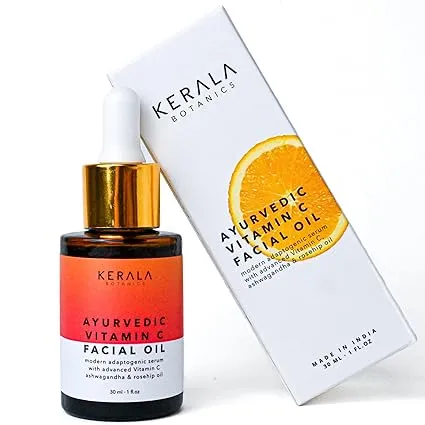
Ayurvedic Vitamin C Face Oil
Kerala Botanics
$49
★★★★☆
How to Use Panthenol in a Routine
Panthenol is forgiving about placement. As a water-soluble ingredient, it works best applied to damp skin or layered before heavier occlusive products.
A few practical notes:
- In the morning: Works well in a lightweight serum or moisturizer. No conflict with SPF, niacinamide, vitamin C, or anything else in a standard routine.
- At night: Where it earns the most real estate, especially when barrier repair is the goal. Layer it under a ceramide moisturizer or follow with an occlusive for maximum effect.
- After actives: If retinol or acids are in the routine, applying a panthenol-rich product immediately after (or on recovery nights) can meaningfully offset sensitivity. The complete evening routine guide covers this sequencing in more detail.
- On disrupted skin: For genuinely irritated or broken skin — after a peel, after a sunburn, during a barrier recovery phase — strip the routine back to cleanser, panthenol, SPF. That’s it. Add things back slowly once the skin is calm.
One thing panthenol doesn’t need: a waiting period, a pH consideration, or a specific companion ingredient. It layers without drama.
What It Won’t Do
Honesty matters here. Panthenol is not a brightener. It won’t fade dark spots, reduce sebum production, or address lines in any meaningful way. It doesn’t exfoliate. The wound-healing evidence is real, but it’s about tissue repair — not anti-aging in the collagen-stimulation sense.
If your skin is functioning normally and your barrier is intact, adding a dedicated panthenol product probably won’t change much. It’s already doing its job quietly inside whatever moisturizer you’re using.
The ingredient earns attention when the barrier is under pressure. That’s the use case. Outside of it, you likely already have enough.
Putting It Together
Panthenol is the skincare equivalent of a well-made basic. Not exciting. Rarely discussed. Almost always useful.
It hydrates, it helps skin heal, and it supports a barrier that’s been stressed by actives, weather, procedures, or just the ordinary wear of a routine that asks too much. The evidence has been there for decades, which is more than most ingredients on the market can claim.
If your skin is reactive right now, or you’ve just done something aggressive to it, panthenol is the right place to land. Reach for it the way you’d reach for something reliable — not because it’s the most interesting option, but because it works.