
Ingredients
PHAs (Gluconolactone): Exfoliation for Reactive Skin
Gluconolactone is the gentlest exfoliant you're probably not using yet. Here's why PHAs deserve a spot in sensitive skin routines.
Disclosure — This article may contain affiliate links. We earn a small commission at no extra cost to you when you purchase through our links. This supports our ability to create independent, evidence-based skincare content.
Here’s something I wish someone had told me years ago: if you have reactive skin and you’ve written off exfoliation entirely because every acid you’ve tried made you red, itchy, or just… worse — you haven’t tried everything. You’ve tried AHAs and BHAs. You haven’t tried PHAs.
PHAs — polyhydroxy acids — are the quietest exfoliant category. No big marketing budgets behind them. No viral before-and-afters. They just show up, do the work, and leave your skin barrier completely intact. For anyone dealing with rosacea, eczema-prone skin, post-procedure sensitivity, or just a face that throws a fit at the word “glycolic,” PHAs might genuinely change how you think about exfoliation.
This is everything you need to know.
What PHAs Actually Are (And Why They’re Different)
Let’s get the chemistry out of the way fast, because I promise it’s interesting.
PHAs are a newer generation of hydroxy acids. The most common ones you’ll see in products are gluconolactone and lactobionic acid. Like AHAs — glycolic, lactic, mandelic — they work by loosening the bonds between dead skin cells so they shed more evenly. Smoother texture, more even tone, less dullness. That’s the standard exfoliation story.
But here’s what makes PHAs different: they’re bigger molecules.
Glycolic acid is tiny. It penetrates fast, deep, and hard — which is why it works so well but also why it stings, flushes, and disrupts your barrier if you look at it wrong. PHAs can’t do that. Their larger molecular size means they stay mostly at the surface, exfoliating gently without the aggressive penetration. Think of it like the difference between a fire hose and a soft rain. Both get you wet. One is significantly less traumatic.
On top of that, gluconolactone specifically is a humectant. It actually draws moisture into the skin while it exfoliates. That’s not a marketing claim — it’s just the nature of its structure. You’re not stripping and then scrambling to repair. You’re doing both things at once.
If you want a full breakdown of how chemical exfoliants compare to each other, the Chemical vs Physical Exfoliation guide is a solid starting point. And if you’ve ever pushed your exfoliation too hard and paid for it, the over-exfoliation signs and recovery guide is required reading.
Who Should Actually Use Gluconolactone
PHAs aren’t a compromise. They’re not “baby acid for people who can’t handle real exfoliation.” They’re the right tool for a specific set of skin situations — and for those situations, they’re the best option, full stop.
Barrier-Compromised Skin
If your skin barrier is damaged, throwing a 10% glycolic acid toner at it is like scrubbing a sunburn. It feels aggressive, it makes things worse, and your skin will protest loudly. Gluconolactone can help with cell turnover without compounding the damage. It’s one of the few exfoliants that’s actually compatible with repair-mode skin. Pair it with a solid ceramide moisturizer — here’s why ceramides matter — and you’ve got a routine that’s doing two smart things at once.
Rosacea and Chronic Redness
Traditional AHAs are a gamble for rosacea-prone skin. PHAs have been studied specifically in this context and generally tolerated well, even by people who react to everything else. The low irritation profile is the whole point.
Post-Procedure Recovery
After a peel, laser, or retinoid adjustment period, your skin is essentially raw. You still want gentle exfoliation to support cell turnover — dead skin sitting on a healing surface doesn’t help anyone. PHAs let you maintain that function without setting back your recovery.
Beginners to Chemical Exfoliation
If you’ve never used an acid and you’re nervous about it, starting with gluconolactone is genuinely smart. It’ll teach your skin what exfoliation feels like without any of the drama. There’s a whole beginner skincare routine guide that covers the basics if you’re starting from scratch.
Darker Skin Tones
Post-inflammatory hyperpigmentation is a real concern with stronger acids, which can trigger irritation that leads to more pigmentation. PHAs sidestep that risk almost entirely. If hyperpigmentation is a concern for you, the hyperpigmentation treatment guide covers the full picture.
What PHAs Can (and Can’t) Do
Gluconolactone is genuinely good at:
- Smoothing texture. Dead skin cells accumulate unevenly. PHAs help them shed, which makes skin look clearer and more refined.
- Improving tone over time. Consistent, gentle exfoliation is the slow-burn approach to a more even complexion.
- Hydrating while exfoliating. Genuinely rare. Most exfoliants are net-drying. Gluconolactone is not.
- Playing nice with other actives. It’s one of the most compatible exfoliants you can layer. Less likely to clash with niacinamide, peptides, or vitamin C than glycolic is.
What it won’t do: deliver the dramatic, fast results of a 30% glycolic peel or prescription tretinoin. If you need aggressive resurfacing, PHAs aren’t the tool. But if your skin can’t handle aggressive resurfacing — and a lot of skin can’t — then PHAs let you get there slowly without the collateral damage.
The Products Worth Using
Okay, here’s where I get specific.
Best Accessible Option: The Inkey List PHA Toner
Thirteen dollars. A clean, no-frills formula with 2% gluconolactone. It applies like water, leaves no residue, and does exactly what you want it to do. I’d start here if you’ve never used a PHA before — the low concentration is forgiving while you figure out how your skin responds.
The Inkey List PHA Toner
The Inkey List
$13
★★★★☆
Best Multitasker: Biossance Squalane + PHA Exfoliating Toner
This one combines gluconolactone with squalane, which means you’re exfoliating and actively nourishing the barrier at the same time. The texture is slightly richer than most toners — almost lotion-y — which makes it especially good for dry or compromised skin. It’s more expensive, but if your skin is really reactive, the added squalane buffer is worth it.
Biossance Squalane + PHA Exfoliating Toner
Biossance
$32
★★★★☆
Best for Serious Barrier Work: Neostrata Restore Bionic Face Cream
Neostrata is the brand that basically invented PHA research — gluconolactone appears in their patents from the 1990s. This cream uses lactobionic acid (another PHA) alongside gluconolactone in a moisturizer format, so it’s the most barrier-friendly delivery possible. It’s the one I’d reach for if your skin is genuinely compromised or you’re in recovery from a procedure. Rich, effective, and kinder than anything in its category.
Neostrata Restore Bionic Face Cream
Neostrata
$49
★★★★½
Best Budget Find: Good Molecules Gluconolactone Toning Solution
Good Molecules consistently punches above its price point and this one is no exception. Simple ingredient list, effective PHA concentration, and twelve dollars. If you want to try the ingredient without committing to anything, start here.
Good Molecules Gluconolactone Toning Solution
Good Molecules
$12
★★★★☆
A Different Kind of Skin-Refining Option: Kerala Botanics Ayurvedic Vitamin C Face Oil
Not a PHA product, but worth mentioning here because it addresses the same reader: someone with reactive skin who still wants brightening, exfoliation support, and treatment without the aggression. The Kerala Botanics oil uses a stabilized form of vitamin C that stays active in skin cells significantly longer than standard L-ascorbic acid serums, combined with bakuchiol — a plant-based retinol alternative that’s well-tolerated by sensitive skin. It’s an oil, so it won’t suit everyone (oily skin types may want to pass), and it’s missing the clinical research depth that something like CE Ferulic carries. But if you’re looking for a gentler, all-in-one approach that supports brightness and turnover without harsh actives, it’s a smart consideration alongside your PHA.
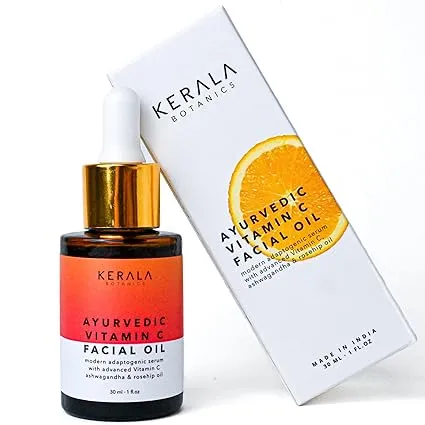
Ayurvedic Vitamin C Face Oil
Kerala Botanics
$49
★★★★☆
How to Use PHAs in Your Routine
The good news: PHAs are forgiving enough that you don’t need an elaborate protocol.
When: Evening is ideal, though PHAs are gentler on sun-sensitivity than glycolic or lactic, so morning use isn’t as risky. Still — wear SPF regardless of what you’re using. That’s non-negotiable.
Frequency: Start with two or three nights a week. Most reactive skin types can work up to nightly use over a few weeks, but there’s no rush and no benefit to pushing faster than your skin is happy with.
Where in your routine: After cleansing, before moisturizer. If you’re using a toner format, apply it with a cotton pad or press it in with your hands — both work. If it’s a cream like the Neostrata, it goes on as your moisturizer step.
What to avoid pairing: PHAs play well with almost everything, but I’d still avoid layering multiple exfoliants in the same routine. If you’re using a mandelic acid serum — which, for the record, is another great gentle option for sensitive skin — don’t add a PHA on top of it in the same session. Pick one.
What works well alongside: Niacinamide, hyaluronic acid, peptides, ceramides. Basically everything that supports your barrier, which is exactly what you want when you’re exfoliating reactive skin.
If you’re figuring out where an exfoliant fits into your full routine order, the how to layer skincare guide will sort that out.
Putting It All Together
PHAs — gluconolactone especially — are the exfoliant category that should be way more famous than it is. Larger molecules, surface-level action, built-in hydration. For reactive skin, barrier-compromised skin, rosacea-prone skin, or anyone who’s been scared off acids before, this is the starting point. Not the compromise. The actual right answer.
Start low, go slow, and if two nights a week is all your skin ever wants, that’s completely fine. Slow and boring exfoliation beats aggressive-and-recovering exfoliation every single time.
And if you’re in the middle of repairing a disrupted barrier right now, the damaged skin barrier repair guide covers the full recovery protocol — PHAs fit right into that plan once your skin is stable enough to handle any exfoliation at all.