
Ingredients
Spicules: The 'Liquid Microneedling' Serums, Explained (and the Warning)
Marine sponge spicules promise microneedling results at home. Here's how they work, why dermatologists are cautious, and who should skip them.
Disclosure — This article may contain affiliate links. We earn a small commission at no extra cost to you when you purchase through our links. This supports our ability to create independent, evidence-based skincare content.
The premise sounds almost too clever: a serum packed with microscopic needles that poke thousands of invisible channels into your skin, no appointment required. Korean beauty brands have been selling this idea for a few years. In 2026, it went genuinely viral in Western markets, and now every corner of skincare TikTok has someone holding up a bottle and talking about “liquid microneedling.”
The ingredient making this claim is spicules — silica microstructures derived from marine sponges. They are real, they do something, and they are not toys. Here’s what the mechanism actually looks like, what the evidence supports, and where dermatologists are quietly drawing the line.
What Spicules Actually Are
Marine sponges (most commonly Haliclona or Spongilla species) build their skeletal structure out of tiny silica rods called spicules. These are not synthetic particles. They’re a naturally occurring component of the sponge’s body, and they have been used in traditional medicine — including Ayurvedic practice — for centuries, usually in powdered form as an exfoliant.
What’s new is the extraction and formulation process. Modern spicule serums use purified, sized, and sometimes surface-coated versions of these microstructures. The particles range from roughly 100 to 300 micrometers in length — small enough to suspend in a serum, large enough to physically interact with the uppermost layers of skin.
The shape matters: spicules are sharp. Under a microscope they look like tiny elongated needles with tapered ends. When you apply a spicule-containing product and massage it in, those particles embed themselves at an angle into the stratum corneum and, depending on concentration and application pressure, penetrate into the viable epidermis.
That’s the mechanism behind the “liquid microneedling” claim.
How the Delivery Mechanism Works
Standard microneedling — the kind done in a clinic with a dermaroller or a pen device — creates controlled puncture channels that bypass the skin barrier temporarily. The point isn’t the injury itself. It’s the downstream response: a low-level wound healing cascade that triggers collagen synthesis, increases local growth factor activity, and temporarily makes the skin more permeable to active ingredients.
Spicules aim to replicate a version of that process without a clinic visit.
The proposed mechanism goes like this: spicules create micro-channels in the stratum corneum. Those channels allow actives carried in the same formula — niacinamide, peptides, vitamin C derivatives — to penetrate more deeply than they otherwise would. Meanwhile, the physical disruption signals the skin to upregulate repair processes, including collagen production.
There is real biology behind this. A 2017 study published in Scientific Reports (Huang et al.) specifically looked at freshwater sponge spicules and found that they could enhance transdermal drug delivery, creating measurable increases in penetration for small molecules. More recent in-vitro work has shown increased fibroblast activity following spicule exposure.
What the evidence doesn’t yet give us: large, randomized controlled trials comparing at-home spicule serums to either clinical microneedling or standard actives over 12-week periods in diverse skin types. The mechanistic data is credible. The clinical outcome data is thin.
Why Korea Got There First
Spicule-based skincare has been part of Korean dermocosmetics for close to a decade. Brands like Dongkook Pharmaceutical (makers of the Centellian24 line) developed early formulations that combined spicules with centella asiatica — a pairing that makes intuitive sense, since you’re physically disrupting the barrier and layering in a calming, wound-supportive ingredient right behind it.
The K-beauty pipeline for novel delivery mechanisms is simply faster than the Western one. There’s less regulatory friction around cosmetic ingredient classification, a larger pool of dermatologist-adjacent formulators, and a consumer base that reads ingredient lists the way other people read menus. Spicules fit the model: a mechanistically interesting ingredient that bridges traditional practice (sponge-derived exfoliants in Korean folk medicine) and modern cosmetic chemistry.
By the time Western brands caught on in 2025 and 2026, Korean formulators had already gone through two or three iterations of concentration and particle size optimization. The serums available now are more refined than the first-generation products — which, by several accounts, were considerably more irritating.
The Real Benefits (With Caveats)
When used correctly, spicule serums can deliver a few distinct things.
Enhanced penetration of actives. This is the most supported benefit. If you’re applying a spicule serum that contains niacinamide or a vitamin C derivative, the micro-channels created by the spicules appear to improve how much of that ingredient reaches viable skin tissue. Think of it as self-potentiating delivery — the vehicle helps carry itself deeper.
Mild pro-collagen signaling. The physical disruption triggers a repair response. This is the same principle behind clinical microneedling, just scaled down significantly. Don’t expect dermaroller results. Do expect something more than a standard serum over time.
Texture improvement. Users consistently report smoother skin after several weeks of use. Some of that is likely mechanical exfoliation — spicules do physically disrupt the stratum corneum — and some may be the downstream collagen response.
The caveats are significant. Skin type, concentration, application technique, and how you’re layering other actives all affect whether you get benefits or just irritation. We’ll come back to that.
The Dermatologist Caution
This is the part the brand marketing tends to skip.
Physical barrier disruption — even controlled, low-level disruption — is not neutral. When you create micro-channels in the stratum corneum, you temporarily compromise the skin’s primary defense against pathogens, allergens, and irritants. Everything you layer on top now has a faster path to the immune-competent cells sitting just below the surface.
Dermatologists have raised two specific concerns.
The sensitization risk. If you apply a spicule serum and then follow it with a fragrance-containing product, a vitamin C serum at a low pH, or any other potential irritant, you’ve essentially introduced that ingredient to the skin’s immune system at an unusual depth. Repeated exposure under those conditions can trigger sensitization — a learned immune response that causes reactions to ingredients you previously tolerated fine.
This isn’t theoretical. It’s the same mechanism that explains why people who over-exfoliate develop new sensitivities to products they’ve used for years. Over-exfoliation and barrier damage already cause this problem without spicules. Add a mechanical penetration enhancer and the risk compounds.
The inflammation loop. Spicules cause controlled inflammation. The problem is that “controlled” depends entirely on frequency. Use a spicule serum twice a week, let skin fully recover, and the inflammation resolves cleanly into repair. Use it daily, layer it with a retinoid, and add a glycolic acid step, and you’ve stacked multiple inflammatory insults on the same tissue. That’s not repair signaling anymore. That’s chronic, low-grade damage — inflammaging in real time.
Several board-certified dermatologists speaking publicly in 2025 and 2026 have made the same point: spicules aren’t dangerous if you understand what they are. They become dangerous when people treat them like a serum rather than an active treatment.
How to Actually Use a Spicule Serum
If you’ve decided to try one, the protocol matters more than it does for most ingredients.
Frequency. Two to three times per week, maximum, when you’re starting out. Some people find once a week is plenty. Skin cycling logic applies here — treat it like a retinoid night, not an everyday hyaluronic acid step. The skin cycling framework exists for exactly this kind of active rotation.
Application technique. Gentle. Don’t rub aggressively. Most formulators recommend pressing or patting the serum in rather than massaging, because aggressive rubbing drives spicules in at steeper angles and increases the chance of visible irritation or broken capillaries in thinner-skinned areas.
What to layer after. Keep it simple. A ceramide-rich moisturizer is appropriate after a spicule treatment — you want to support barrier recovery, not introduce more actives. Skip your acids. Skip your retinoid. If you use niacinamide, make sure it’s already in the spicule serum itself rather than applied on top from a separate product. Ceramides are doing real structural work here, not just hydrating.
What to skip entirely on the same day. Physical scrubs. Chemical exfoliants. High-concentration vitamin C at low pH. Anything that adds another layer of irritation or further disrupts the barrier.
The day-after consideration. Wear sunscreen. Disrupted skin is more vulnerable to UV damage, and if you’re using spicules for their collagen-signaling effects, UV exposure the next morning actively undermines that process. This is non-negotiable.
Who Should Skip Spicules
Some people should not use these products at all.
- Active inflammatory conditions. Rosacea, eczema, or active acne — physical disruption of an already-compromised or inflamed barrier is not helpful. The rosacea-friendly routine exists because this skin type reacts badly to exactly this kind of ingredient.
- Compromised barriers. If you’re already showing signs of skin barrier burnout — persistent redness, stinging from gentle products, tight or flaky skin — you need repair before penetration enhancement.
- Sensitive skin beginners. If you’re new to active skincare and haven’t built up tolerance to retinoids or acids yet, start there. Spicules are not a shortcut to results; they’re an amplifier. They’ll amplify whatever you put next to them, including mistakes.
- Anyone currently using tretinoin or prescription retinoids. The combination has not been studied, and the theoretical risk — stacking two mechanisms that both disrupt the stratum corneum — is real enough to warrant caution until we have better data.
Products Worth Knowing
Spicule concentrations and particle sizes vary significantly between brands, and most don’t disclose specifics. What we can assess is formulation context — what else is in the bottle alongside the spicules.
The better products combine spicules with barrier-supportive ingredients (centella, panthenol, ceramides) and keep the fragrance and potential sensitizers out of the formula entirely. That’s the right instinct. You’re creating micro-channels; the last thing you want is to drive a potential allergen deeper.
One well-regarded option from the K-beauty side:
Skin1004 Madagascar Centella Ampoule is not a dedicated spicule serum, but it’s the kind of calm, single-focus formula worth reaching for on the recovery days between spicule treatments. Centella asiatica (in this case, 100% centella water as the base) supports wound repair, reduces redness, and provides madecassoside and asiaticoside — two compounds with good evidence behind barrier restoration. It belongs in any spicule protocol as the follow-up, not the partner.

Skin1004 Madagascar Centella Ampoule
Skin1004
$18
★★★★½
On days when you want actives — antioxidants, vitamin C, some light treatment — without adding any more physical disruption, a non-serum format like an oil-based delivery system can carry those ingredients without the penetration-forcing mechanism. The Kerala Botanics Ayurvedic Vitamin C Face Oil uses a stabilized vitamin C derivative alongside bakuchiol in an oil base, which means it delivers antioxidant and mild retinoid-alternative benefits without any additional barrier compromise. Genuinely useful as a rest-day treatment when you’re working spicules into a rotation. It’s not a clinical instrument; it’s a nourishing daily option for the nights you’re not using your penetration-enhancing serum. Oily skin may find it heavy, and it won’t replace results from stronger retinoids for those already using them.
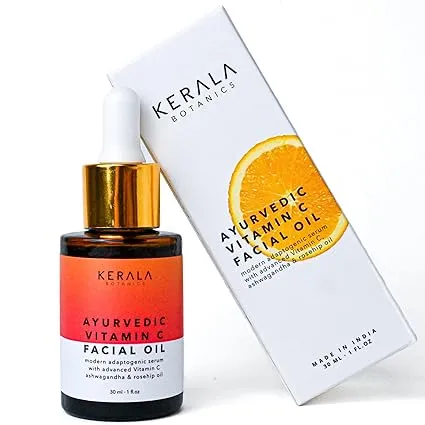
Ayurvedic Vitamin C Face Oil
Kerala Botanics
$49
★★★★☆
Putting It All Together
Spicules are not a gimmick. The mechanism is real, the delivery enhancement is measurable, and the K-beauty market has had years to refine what early formulations got wrong. The ingredient deserves serious attention.
It also deserves serious respect. Physical disruption of the skin barrier — even at the micro scale — changes the rules for everything you apply afterward. Most of the horror stories circulating online about spicule serums share a common thread: someone used one daily, layered it with a retinoid or acid, and then couldn’t understand why their skin fell apart. They weren’t reacting to the spicules. They were reacting to a sensitization cascade they’d triggered by misusing them.
Use them like a clinical treatment. Keep the frequency low, keep the follow-up simple, and leave space for recovery. If you want to understand how to layer actives properly before adding something this disruptive to your rotation, start there first. And if your barrier is already unhappy, repair it before you add anything new.
The “liquid microneedling” framing sells products. The more accurate framing is a low-dose, home-use penetration enhancer with a real risk profile. Know what you’re working with.