
Routines
Shrinkflation in Skincare: Are You Paying More for Less?
Skincare shrinkflation is real — same price, smaller bottle. Here's how to spot it, calculate true value, and stop getting ripped off.
Disclosure — This article may contain affiliate links. We earn a small commission at no extra cost to you when you purchase through our links. This supports our ability to create independent, evidence-based skincare content.
Last year I bought what I thought was my usual moisturizer. Same packaging, same font, same shelf at the drugstore. Got home, put it in my cabinet next to the old tub, and noticed something felt off. The new one was shorter. Not by a lot — maybe half an inch. I grabbed both and flipped them over.
Old tub: 16 oz. New tub: 12 oz. Same price.
That’s shrinkflation. And it’s everywhere in skincare right now.
If you’ve felt like your products are running out faster than they used to, or you’ve stood in the skincare aisle convinced you’re losing your mind, you’re not. Brands are quietly reducing the amount of product in their packaging while keeping prices flat — or in some cases, raising them anyway. It’s a soft price increase that most people never notice, because why would you measure your moisturizer?
Here’s what’s actually happening, how to spot it, and what to do about it.
What Shrinkflation Actually Is (And Why It’s Happening Now)
Shrinkflation isn’t new. Food brands have been doing it for decades — ever noticed that a “family size” bag of chips is somehow smaller every year? Beauty is catching up.
The mechanics are simple. Raw ingredient costs go up. Packaging costs go up. Shipping costs go up. Rather than raise the sticker price (which customers notice immediately), brands quietly reduce fill sizes. Your $28 toner that used to come in 200ml now ships in 150ml. The jar looks almost identical. You probably won’t clock the change until you’re reordering it two weeks earlier than usual.
Ingredient prices, in particular, have been genuinely rough since 2021. Niacinamide, hyaluronic acid, certain peptides — the supply chains for cosmetic actives got crunched hard, and many brands absorbed those costs for a while before passing them along sideways. That sideways move? Smaller bottles.
There’s also a sneakier version: formula dilution. Same size, same price, but the active ingredient concentration drops. A serum that was 15% vitamin C becomes 10%. A retinol product that listed 0.5% is now 0.3%. Most people have no idea, because most people don’t compare percentage disclosures between purchase cycles. (More on how to catch this below.)
How to Spot It Before You Buy
The good news: you can catch it if you know where to look. It takes maybe 30 extra seconds at checkout.
Check the Net Weight or Volume, Not the Package Size
Brands can keep a bottle the same external dimensions by making the walls thicker or adding a deeper indent at the base. Perfume brands have done this forever. The number you want is on the label — oz, ml, or g. That’s the actual product you’re getting.
Before you repurchase anything, check what size you bought last time. Most of us don’t do this because who keeps receipts from Sephora two years ago? Fair. But if a product feels like it’s running out fast, do a quick Google of “old [product name] size” — Reddit threads and review sections are surprisingly good archives of when a brand quietly downsized.
Calculate Cost Per Milliliter
This is the single most useful number in skincare shopping and almost nobody uses it.
Take the price. Divide by the volume. That’s your cost per ml.
A $32 serum in 30ml = $1.07/ml. A $24 serum in 30ml = $0.80/ml. A $45 serum in 50ml = $0.90/ml.
Suddenly the “cheaper” $32 option isn’t so cheap. And the $45 bottle is better value than the $32 one. Once you start thinking this way, the premium pricing on a lot of luxury products makes even less sense — you’re often paying more per ml and getting less formula.
This math also applies when a brand reduces size. If your $28 toner dropped from 200ml to 150ml, that’s a jump from $0.14/ml to $0.19/ml. That’s a 35% price increase. Just hidden.
Watch Ingredient Lists Between Purchases
This one takes more work, but it’s worth doing for your hero products. Ingredient lists are required to be in descending order of concentration — whatever’s highest goes first. If you notice that an active that used to sit third or fourth on the list now shows up seventh or eighth, the formula has likely been diluted. Brands are not required to announce formula changes.
A good habit: before you throw out an empty, photograph the ingredient list. Makes comparison easy on your next purchase.
You can also use our guide to reading ingredient labels to get faster at scanning these — it’s worth knowing what you’re actually looking at.
The Products Most Likely to Shrink
Not every category is equal. Here’s where to watch most closely.
Vitamin C Serums
This is probably the worst category for silent reformulations. Vitamin C is notoriously unstable, expensive to source in high-concentration forms, and one of the most competitive shelves in skincare. Brands have strong incentive to quietly drop concentrations to cut costs while keeping “vitamin C serum” on the front of the bottle.
If you’re comparing options — or trying to figure out if your current formula has changed — our breakdown of affordable vitamin C dupes runs through which products are actually delivering on their percentage claims.
Moisturizers and Ceramide Creams
Tubs are an easy target for shrinkflation because the size difference isn’t obvious in 3D packaging. The cult drugstore ceramide creams have quietly changed fill sizes at least twice in the last three years. Not dramatically — but 19 oz to 16 oz is still 16% less product.
CeraVe Moisturizing Cream is still one of the best barrier-repair moisturizers on the market, and it’s still good value even after the changes. But worth knowing what you’re getting.
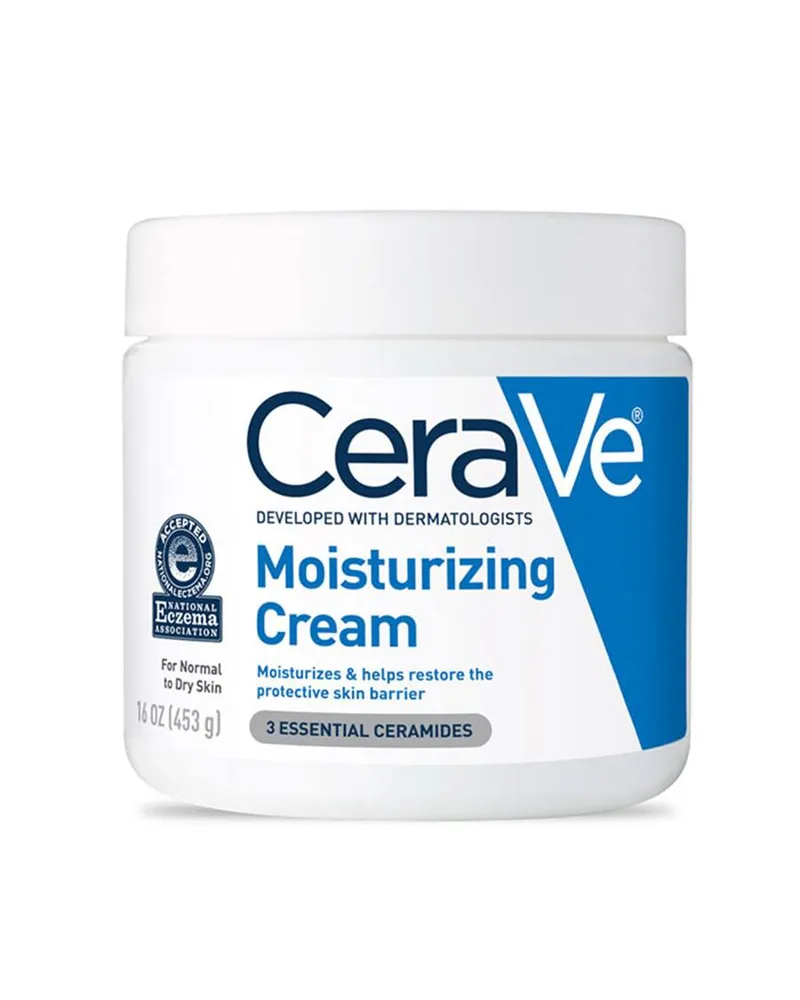
CeraVe Moisturizing Cream
CeraVe
$19
★★★★½
Toning Acids and Exfoliants
The Ordinary, despite being built on transparency, has adjusted its fill sizes over the years. Their glycolic toning solution is still a reliable, affordable workhorse — and honestly one of the better value exfoliants at any price — but you’ll want to compare current sizes against what you paid last time.

The Ordinary Glycolic Acid 7% Toning Solution
The Ordinary
$12
★★★★☆
Eye Creams
Eye creams are already a value proposition nightmare — tiny jars, high prices, often modest efficacy. When brands also shrink those jars, it gets almost comical. The category that went from 15ml to 12ml to 10ml over several product “refreshes” deserves real scrutiny. Our best eye creams for fine lines piece specifically flags size and price-per-ml alongside efficacy.
What Good Value Actually Looks Like
Here’s my honest take: some products are worth the per-ml math even when the number is high. SkinCeuticals C E Ferulic at $185 for 30ml works out to about $6.17/ml, which sounds obscene until you factor in the clinical data, the patent-pending stability technology, and the fact that dermatologists have recommended it for 20 years without budging. There’s a reason it still sells. (We went deep on whether it’s actually worth it here.)
But most products are not SkinCeuticals. Most skincare is not backed by that kind of research, and most brands don’t have a legitimate reason for charging $6 per milliliter. When those brands also shrink their packaging? That’s where you have real grounds to be annoyed.
The best antidote to shrinkflation is intentionally looking for products that genuinely replace multiple steps. A serum that also moisturizes, or an oil that covers vitamin C treatment and hydration, costs more upfront but often works out significantly cheaper per use when you’re not buying three separate products.
Kerala Botanics’ Ayurvedic Vitamin C Face Oil is a good example of this logic working in practice. It’s a face oil that delivers an advanced, stabilized form of vitamin C alongside bakuchiol (a plant-based retinol alternative), so it’s doing the job of a treatment serum, a moisturizer, and a facial oil in one bottle. At $49 for something that genuinely replaces three products, the per-use cost is quite different than it looks at face value.
A few caveats: the oil format doesn’t work for everyone — if you have oily or acne-prone skin, you’ll want to test it carefully, and it can feel heavy under foundation. It also doesn’t have the clinical trial history of something like CE Ferulic. But as an all-in-one for people with dry or normal skin who want to simplify their routine, the value math is solid. More on the oil-versus-serum format question here.
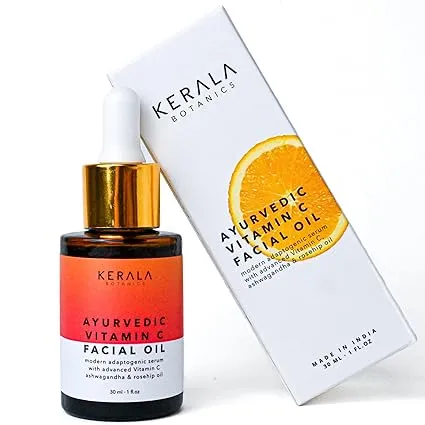
Ayurvedic Vitamin C Face Oil
Kerala Botanics
$49
★★★★☆
When Brands Are Being Honest (And When They’re Not)
There’s a meaningful difference between a brand that shrinks packaging and says nothing versus one that’s upfront about it. Some companies will send an email: “We’ve updated our formula and size — here’s what changed and why.” Rare, but it happens. That transparency is worth something. You can make an informed decision.
What you should be more suspicious of is a “new and improved” product launch that comes with fresh packaging and a glowing PR campaign — and happens to have 20% less product. “New and improved” often just means “we changed the fill.” Check the label before you celebrate the refresh.
Also worth knowing: brands sometimes discontinue a size (say, the large 200ml version) and quietly make the 150ml the only option, at a price that isn’t proportionally lower. This is particularly common with prestige skincare lines during “formula updates.” If your product suddenly only comes in one size when it used to come in two, that’s worth a second look.
Practical Habits That Protect You
None of this requires becoming a spreadsheet person. Just a few easy habits:
Before you repurchase: Flip to the back of the product. Check the ml or oz. Compare it to what you bought before — a quick phone search usually surfaces old product listings with the original size.
Calculate cost per ml for any new product you’re considering seriously. It takes 10 seconds with a phone calculator and will change how you evaluate value permanently.
Read the actual ingredient list, not the marketing copy. “Now with 15% niacinamide!” on the front means nothing if the list has shifted. And if you want a crash course in reading those lists faster, this guide is a good starting point.
Consider consolidating steps where it makes sense for your skin. A minimalist routine with three genuinely effective products will almost always cost less — and give you more control over what you’re actually putting on your skin — than seven products from seven brands, each quietly shrinking once a year.
Putting It All Together
Skincare shrinkflation is boring to talk about and annoying to deal with, which is exactly why brands keep doing it. It’s the kind of change that flies under the radar because most of us are focused on whether the product works, not whether we’re getting the same amount we used to.
The math isn’t complicated. Volume matters. Concentration matters. Sticker price is almost always the least useful number on the label.
What you’re actually buying is grams or milliliters of an active formula at a certain concentration. Everything else — the packaging, the brand story, the fragrance — is a variable cost you’re absorbing. Sometimes that cost is worth it. Often it isn’t.
Shop the product, not the bottle. Check the back label before you trust the front. And when a “new look” launch lands in your inbox, the first thing you should do is check if it still weighs the same.