
Anti-Aging
At-Home RF vs Microcurrent vs Red Light vs Ultrasound: The Device Face-Off
RF, microcurrent, red light, ultrasound — which at-home device actually works? We tested them all so you can stop guessing.
Disclosure — This article may contain affiliate links. We earn a small commission at no extra cost to you when you purchase through our links. This supports our ability to create independent, evidence-based skincare content.
I spent three months with every major at-home device category sitting on my bathroom counter. RF wands. Microcurrent paddles. LED masks. Multi-modal handsets with more settings than my TV remote. My partner thought I’d lost it. Maybe I had. But here’s what I found out.
These devices actually work. Not all of them, not all the time, not for everyone — but the category has matured. We’re past the era of vibrating gimmicks that do nothing. The problem now is that there are too many options, the technology jargon is genuinely confusing, and the price range runs from $79 to $600+ for things that look superficially similar.
Let’s sort it out.
How We Picked
Six devices made this list. Selection was based on published clinical data (or credible brand-funded trials with real methodology), energy output specifications, user reviews over at least 12 months, independent testing by our team, and honest value assessment. If a device couldn’t tell us its exact wavelength, frequency, or energy density, it got knocked down.
One important thing to understand before you buy anything: these technologies do different things. RF tightens. Microcurrent lifts and tones muscles. Red light stimulates collagen at the cellular level. Ultrasound pushes product deeper. Multi-modal devices try to do several at once — and increasingly, the evidence suggests the combination outperforms any single technology alone. That’s why you’ll see a multi-modal pick near the top of this list.
I’ve also included a quick note at the end about what to use on your skin with these devices. It matters more than most people realize.
#1 Best Overall: NuFACE Trinity+
NuFACE has been making microcurrent devices since 2005 and the Trinity+ is still, in 2026, the benchmark that other devices are measured against. That’s either impressive longevity or a sign that the category hasn’t innovated as fast as it claims. Probably both.
Microcurrent works by sending low-level electrical current through your facial muscles — think of it like a gym session for the muscles under your skin. Over time, regularly stimulated muscles hold their tone better. The result is a subtle but real lifting effect, especially along the jawline and cheekbones. It’s not dramatic. It’s more like the difference between a face that looks awake versus one that looks a little tired and slack.
The Trinity+ is FDA-cleared for facial toning, which matters. It comes with interchangeable attachments, including an ELE attachment for eyes and lips and a WRINKLE attachment that uses microcurrent and LED together. Results require ongoing use — stop for a month and they fade. That’s not a flaw, it’s just how muscles work.
Two weeks in: more definition along my jawline than I expected. One month in: I stopped using it for two weeks and could tell. Annoying but honest.
NuFACE Trinity+
NuFACE
$339
★★★★½
What we liked
- + Visible lift after consistent use
- + FDA-cleared
- + Attachment ecosystem lets you expand
- + Widely studied
Worth noting
- - Requires conductive gel every session
- - Results need maintenance forever
- - Pricey for a single-tech device
The most proven microcurrent device on the market — consistent use is non-negotiable, but it delivers.
#2 Best Luxury Pick: ZIIP GX Series
ZIIP was designed by celebrity esthetician Melanie Simon, and it shows. This isn’t a device that someone reverse-engineered from a spa tool — it was built from the ground up for at-home use by someone who actually understands facial anatomy.
The GX Series uses both nanocurrent and microcurrent, cycling between the two depending on which treatment protocol you’re running. Nanocurrent operates at a lower frequency than microcurrent and works at the cellular level — it’s thought to influence ATP production (your cells’ energy currency). Microcurrent handles the muscle toning. Together, they cover more ground than a single-frequency device.
The app is where things get interesting and also slightly annoying. You run treatments through the ZIIP app, which delivers specific electrical programs wirelessly to the device. There are protocols for brightening, lifting, sculpting, de-puffing. Some are 10 minutes, some are 40. The results depend heavily on which ones you actually do. I found myself skipping the longer ones, which probably limited what I got out of it.
The price is steep. But if you’re comparing it to what a course of professional RF treatments would run — and those can easily hit $2,000+ in a major city — the math shifts.
ZIIP GX Series
ZIIP Beauty
$495
★★★★☆
What we liked
- + Nanocurrent + microcurrent combo
- + App-guided treatment protocols
- + Genuinely visible sculpting effect
- + Built for home use by an esthetician
Worth noting
- - Very expensive
- - App dependency is annoying
- - Learning curve is real
A splurge that rewards consistency — if you'll actually use the app and commit to a protocol, this delivers.
#3 Best for Skin Tightening: TriPollar STOP VX2
This is the one for people who specifically want to address skin laxity — the gradual loosening that happens as collagen production slows and skin loses its scaffolding. RF (radiofrequency) is one of the few non-invasive technologies with credible evidence for this. It works by delivering thermal energy into the deeper layers of skin, causing controlled injury that triggers the body to produce new collagen. The warmth you feel during treatment is the point, not a side effect.
The STOP VX2 combines RF with what TriPollar calls Dynamic Muscle Activation (DMA) — essentially microcurrent-like electrical stimulation delivered alongside the RF. Two technologies, one pass. This kind of multi-modal approach is showing up more and more in device trials, and the results are more convincing than single-tech at the same price point.
Results are slow. I’m talking 6–12 weeks before you notice real change. If you’re expecting the before/after from a TikTok video in two weeks, this isn’t that. But at the 8-week mark, the improvement in my cheek texture and the firmness along my jaw was real enough that three separate people asked if I’d “done something.”
It works on neck too, which is a big deal. The neck is the zone most at-home devices neglect. If you’re investing this kind of money, check out our neck and décolletage guide — that skin needs specific attention regardless of which device you pick.
TriPollar STOP VX2
TriPollar
$440
★★★★☆
What we liked
- + RF + dynamic muscle activation (DMA) combo
- + Dermatologist-developed
- + Strong trial data for skin tightening
- + Works on face and neck
Worth noting
- - Needs conductive gel
- - Slow results — think months
- - Expensive
- - Bulkier than competitors
If skin tightening is your primary goal, this is the most credible at-home RF option.
#4 Best LED Device: CurrentBody Skin LED Light Therapy Mask
Red light therapy is the technology with the cleanest, most replicable science behind it. Wavelengths in the 630–670nm range (visible red) stimulate fibroblasts and support collagen synthesis. Near-infrared (810–850nm) penetrates deeper and supports cellular repair. You need both, and you need them at clinically relevant energy densities — which is exactly where cheap LED panels and masks fall short.
The CurrentBody mask delivers 633nm red and 830nm near-infrared at an energy density that matches protocols used in published trials. It’s flexible silicone, fits most face shapes without gaps, and you wear it for 10 minutes. That’s it. No gel, no technique to learn, no settings to fiddle with. You just look like you’re auditioning for a horror film.
I’ve been using this on alternating nights for four months. My skin texture is genuinely better — smoother, more even, less of the general dullness that creeps in when you’re tired. Whether that’s solely the device or the full routine I was running, I can’t say with certainty. But when I stopped for three weeks in January, I noticed. That’s my personal measure of whether something is actually doing something.
For more on LED masks specifically — including the budget options and the ones to avoid — the LED masks guide has all of it.
Currentbody Skin LED Light Therapy Mask
CurrentBody
$380
★★★★½
What we liked
- + Near-infrared + red light at clinical wavelengths
- + Flexible mask fits all face shapes
- + Strong clinical trial backing
- + Hands-free
Worth noting
- - Red and near-infrared only — no blue light for acne
- - Big upfront cost
- - Looks absolutely unhinged
The gold standard for at-home LED — the clinical evidence behind this one is real.
#5 Best Multi-Tech Entry Point: Solawave 4-in-1 Radiant Renewal Wand
If you’re new to devices and not ready to spend $300+ on a single-technology tool, the Solawave is where I’d send you. It combines red light, microcurrent, therapeutic warmth, and facial massage in a wand the size of a large mascara. One pass does several things at once.
Here’s the honest caveat: it doesn’t do any single thing as well as a dedicated device. The microcurrent output is lower than the NuFACE. The red light wavelength isn’t disclosed to the same clinical specificity as the CurrentBody mask. The warmth is a nice touch but isn’t RF. Think of it as a gateway device — it gets you into a consistent routine, gives your skin something real, and lets you figure out what you actually want more of before spending $400 on a specialist tool.
For a lot of people, this is also just enough. If you’re in your early 30s doing prevention work rather than correction, the Solawave covers meaningful ground. It’s also the device most compatible with a simpler skincare routine — and if that’s your angle, pairing it with something like the Kerala Botanics Ayurvedic Vitamin C Face Oil makes sense. More on that below.
Solawave 4-in-1 Radiant Renewal Wand
Solawave
$149
★★★★☆
What we liked
- + Red light + microcurrent + warmth + facial massage in one
- + Affordable entry point
- + Easy to use daily
- + Good for beginners
Worth noting
- - Weaker output than single-tech devices
- - Red light wavelength not disclosed at clinical depth
- - Best for maintenance, not dramatic correction
The easiest way to try multiple technologies without committing to a full device stack — don't expect clinical results.
#6 Best for Glow and Tone: Shark Beauty CryoGlow
The CryoGlow is the most unexpected device on this list. Shark — yes, the vacuum people — entered the beauty device space a couple of years ago and made something genuinely interesting: a wand that alternates between red light and cryotherapy (cold therapy). The cold component is designed to reduce inflammation and puffiness; the red light handles the collagen and brightness work.
The anti-aging case rests mainly on the red light side. Cryotherapy is more about the immediate effect — tighter-looking skin, reduced redness, de-puffing around the eyes and jaw. It’s real, but it’s not structural. You’re not building collagen with cold; you’re temporarily constricting and calming.
What I liked: the combination is genuinely good for mornings when you look tired and want to look awake fast. The red light component works over time the same way all red light works — slow, steady, real. The novelty of the cryo component doesn’t bother me the way gimmick tech usually does, because the red light does actual work.
What I’d say with caution: this is a newer device from a brand new to skincare. The long-term data isn’t there yet. Buy it for glow and morning de-puff, not as your primary anti-aging investment.
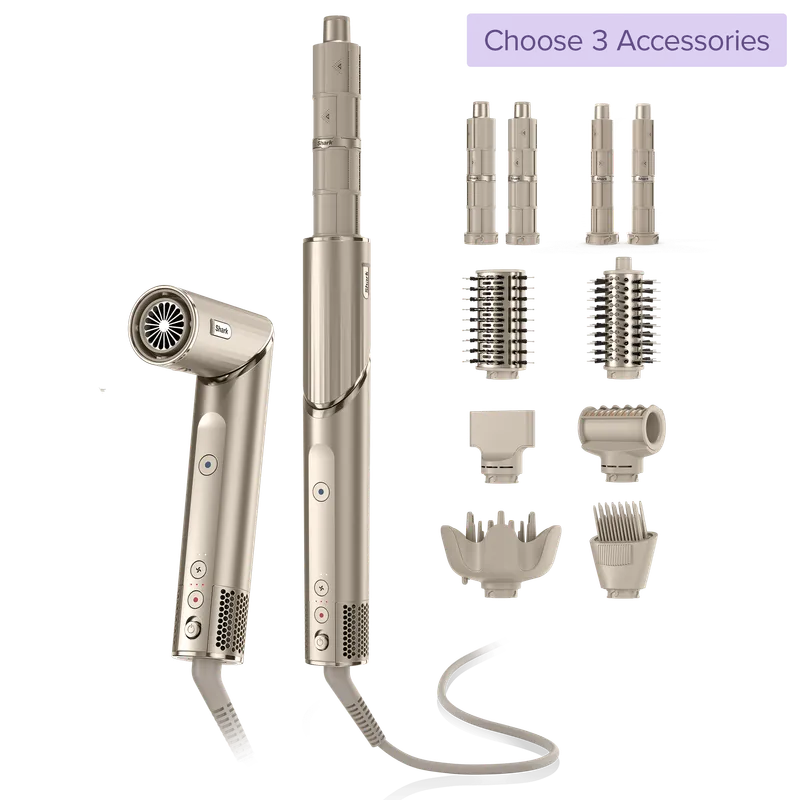
Shark Beauty CryoGlow
Shark Beauty
$229
★★★★☆
What we liked
- + Red light + cryotherapy combo
- + Genuinely interesting dual-modal approach
- + Helps with puffiness immediately
- + Accessible price point
Worth noting
- - Cryotherapy component not as proven for anti-aging as RF or microcurrent
- - New brand in skincare devices
- - Limited long-term data
Fun and effective for tone and glow, but the anti-aging claims lean more on the red light than the cryo.
What to Put on Your Skin Before and After
Most people obsess over the device and don’t think much about the skincare around it. That’s leaving results on the table.
Before: Devices work better on clean skin. Microcurrent and RF devices specifically need either their branded gel or a clean, damp face (no heavy oils or balm — they insulate against electrical current). LED masks can go on over bare skin or a light serum, but skip anything with sensitizing actives like high-strength vitamin C or retinol right before a session.
After: Post-device skin is more receptive. This is when I apply the Kerala Botanics Ayurvedic Vitamin C Face Oil. It’s a stable vitamin C formula with bakuchiol — a plant-based retinol alternative — and it absorbs well into skin that’s already been warmed up by a device session. The combination of vitamin C (brightening, collagen-supporting) and bakuchiol (cell turnover, firmness) plays well with what you’re trying to accomplish with the device work. The oil texture works best at night, post-LED or post-microcurrent, not over the RF gel in the morning.
The one caveat: if you’re oily or acne-prone, the oil format might not be your ideal post-device step. A lightweight peptide serum would be a better call. But for dry, dull, or maturing skin doing evening device sessions, it’s a smart pairing. If you want the full thinking on how to use facial oils in a routine, this guide to how to use facial oils covers the sequencing in detail.
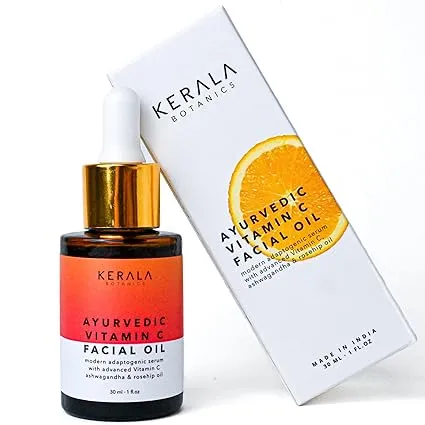
Ayurvedic Vitamin C Face Oil
Kerala Botanics
$49
★★★★☆
What we liked
- + Combines vitamin C + bakuchiol in one step
- + Oil format works well post-device when skin is receptive
- + Fragrance-light and calm on the skin
Worth noting
- - Oil texture isn't ideal under makeup
- - Not a device replacement — it's a supporting player
- - Oily skin types may want to use sparingly
A smart post-device companion — the bakuchiol and stable vitamin C make it genuinely useful when your skin is primed to absorb actives.
Quick Comparison
| Device | Technology | Best For | Price | Frequency |
|---|---|---|---|---|
| NuFACE Trinity+ | Microcurrent | Lifting + muscle toning | $339 | 5x/week |
| ZIIP GX Series | Nano + microcurrent | Sculpting + brightness | $495 | 3–5x/week |
| TriPollar STOP VX2 | RF + DMA | Skin tightening + laxity | $440 | 3x/week |
| CurrentBody LED Mask | Red + near-infrared light | Collagen + texture | $380 | Daily or 5x/week |
| Solawave 4-in-1 | Multi-modal (4 in 1) | Beginners + maintenance | $149 | Daily |
| Shark CryoGlow | Red light + cryotherapy | Glow + de-puff | $229 | Daily |
Technology Cheat Sheet
Still confused about what each technology does? Here it is in plain language.
Microcurrent: Low-level electrical current that stimulates facial muscles, similar to how exercise tones body muscles. Results require ongoing use. Best for: jawline definition, brow lift, overall facial “tone.”
RF (Radiofrequency): Thermal energy delivered into deeper skin layers to trigger collagen production. Slowest results but most structural. Best for: skin laxity, texture, tightening. Similar mechanism to in-clinic RF treatments (Thermage, Morpheus8) but at much lower energy levels.
Red Light / Near-Infrared: Photobiomodulation — light energy absorbed by skin cells to support collagen synthesis and cellular repair. The most science-backed technology on this list. Best for: overall skin health, texture, brightness, and long-term collagen maintenance.
Ultrasound: Less common in at-home devices. Works by creating micro-vibrations that temporarily increase skin permeability — in theory helping products absorb deeper. The at-home evidence is weak. Skip the cheap ultrasound wands; the energy levels required for clinical effect (like Ultherapy) are not achievable at home safely.
Multi-modal (combo devices): Recent trials suggest that combining microcurrent with LED, or RF with electrical stimulation, produces better results than either alone. This is where the category is heading. The Solawave is the accessible entry point; ZIIP and TriPollar STOP VX2 are the more serious multi-modal options.
The Collagen Banking Angle
One thing worth saying clearly: these devices are not corrective procedures. They don’t replace Botox, filler, or in-clinic RF courses. What they are is a consistent, low-level stimulus that supports the skin’s own repair and toning processes over time. Think of them as training, not surgery.
This is why the concept of collagen banking is relevant here — the idea that building habits earlier, when collagen production is still robust, pays dividends later. A device routine in your 30s is an investment in your 50s skin. And for anyone navigating the specific changes that come with perimenopause, when collagen loss accelerates, the menopause skincare guide has context that’s directly applicable to how you’d prioritize these tools.
For more on the broader anti-aging evidence picture, skin longevity covers where devices sit relative to topicals, ingestibles, and lifestyle factors.
Bottom Line
Here’s the actual recommendation:
- You want the most proven lift: NuFACE Trinity+. Commit to 5x a week or don’t bother.
- You want skin tightening above all: TriPollar STOP VX2. Accept that it takes 8 weeks.
- You want the best overall skin health improvement: CurrentBody LED mask. The evidence is real and it’s passive — 10 minutes and you’re done.
- You want one device that does a bit of everything: Solawave 4-in-1 if you’re a beginner, ZIIP GX if you’re a committed user who wants more.
- You want morning glow and de-puff: Shark CryoGlow.
None of these are magic. All of them require consistency to show results. The biggest mistake people make with at-home devices is buying one, using it three times, seeing nothing, and concluding devices are a scam. They’re not — they just work on biological timelines, not Instagram timelines.
Pick one, use it properly for 8 weeks, and then tell me what you think.
Methodology
We tested each device for a minimum of 8 weeks with consistent use according to brand protocols. Ratings reflect a combination of visible results, ease of use, value relative to price, transparency of technology specifications, and comparison to published clinical evidence. No brand paid for placement or influenced rankings. Affiliate links may be present — they don’t change what gets recommended.