
Ingredients
Beef Tallow for Your Face: What the Research Actually Shows
Beef tallow is all over TikTok as a skincare cure-all. Here's what the science actually says — and why dermatologists aren't impressed.
Disclosure — This article may contain affiliate links. We earn a small commission at no extra cost to you when you purchase through our links. This supports our ability to create independent, evidence-based skincare content.
Somewhere between 2023 and now, beef tallow became a skincare ingredient. Not a fringe thing — a full-blown trend, with hundreds of small brands selling grass-fed tallow balms, TikTok creators claiming it cleared their cystic acne, and comment sections full of people convinced that dermatologists are suppressing it to sell them expensive moisturizers.
The thesis of the tallow movement is roughly this: our ancestors used animal fat on their skin for centuries, the fatty acid profile of beef tallow resembles human sebum, and modern skincare has overcomplicated something that was always simple.
Some of that is true. Most of it is incomplete. And a 2026 cross-sectional study found that the vast majority of viral tallow content comes from people with a financial stake in selling it — and that dermatologists are the professional group least likely to recommend it.
Let’s go through what we actually know.
What Beef Tallow Is (and What It Isn’t)
Tallow is rendered fat from cattle, typically from suet — the hard fat around the kidneys. When you render it, you’re left with a semi-solid fat that’s mostly saturated and monounsaturated fatty acids, with a small amount of polyunsaturated fats thrown in.
The fatty acid breakdown is real, and it’s worth knowing. Tallow is roughly:
- 40–50% oleic acid (the same omega-9 in olive oil and squalane)
- 25–30% palmitic acid (a saturated fatty acid found in most occlusive emollients)
- 3–5% stearic acid (also in shea butter and cocoa butter)
- 2–4% linoleic acid (the omega-6 that’s actually deficient in acne-prone sebum)
That profile isn’t bad for moisturizing. Oleic acid penetrates the skin reasonably well and has some emollient properties. Stearic acid helps restore barrier function. These are legitimate mechanisms — they’re just not unique to tallow.
The comparison to human sebum gets tossed around a lot. And yes, sebum contains oleic and palmitic acid too. But sebum also contains squalene, wax esters, and a specific mix of fatty acids at ratios that don’t map neatly onto rendered beef fat. “Structurally similar” is doing a lot of work in those claims.
The 2026 Study: Who’s Actually Saying This Works
The most useful piece of research to come out recently isn’t about tallow’s chemistry — it’s about who’s promoting it.
A 2026 cross-sectional analysis looked at viral tallow skincare content across social platforms and found a clear pattern: the creators making the strongest claims were disproportionately selling tallow products themselves. Financial conflicts of interest were common and rarely disclosed. The content leaned heavily on anecdote, ancestral reasoning, and vague appeals to “natural” over any documented clinical evidence.
The same study surveyed dermatologists, estheticians, and naturopathic practitioners about their likelihood of recommending tallow. Dermatologists were the least likely by a significant margin. Naturopathic practitioners were the most likely. The difference tracked with how much weight each group places on mechanistic evidence vs. traditional use.
That’s not a conspiracy. It’s a predictable pattern: the people trained to read clinical evidence are the most skeptical; the people most likely to profit are the most enthusiastic.
This doesn’t make tallow useless. But it does mean you should treat every viral “tallow cleared my skin” post like any other testimonial — anecdotal data from someone who may have changed six other things at the same time, filtered through a platform algorithm that rewards dramatic transformations.
What Tallow Might Actually Do
Occlusion and Moisturization
As an emollient and mild occlusive, beef tallow can probably do what any good fatty occlusive does: slow transepidermal water loss (TEWL), soften the surface of the skin, and make dry skin feel better. The fatty acid profile supports this.
If you have chronically dry, tight skin and you apply a tallow balm, you will likely feel some relief. That’s not magic — that’s occlusion. Vaseline does the same thing more reliably and for less money.
For a deeper look at how barrier-focused moisturizers actually work, see our guide on barrier-adaptive moisturizers.
Fatty Acids and the Skin Barrier
Linoleic acid deficiency is genuinely associated with acne-prone skin — the sebum of acne patients tends to be low in linoleic acid, which contributes to comedone formation. Tallow does contain some linoleic acid, so in theory it could help here.
The problem: at 2–4%, tallow is a poor source compared to rosehip oil (around 40% linoleic acid) or other seed oils purpose-formulated for acne-prone barrier support. If linoleic acid is the mechanism you’re after, tallow is a roundabout way to get it.
Anti-Inflammatory Claims
Some tallow advocates point to fat-soluble vitamins (A, D, E, K) that survive the rendering process. These are real. Whether they survive on the skin surface long enough to do anything meaningful is a different question — topical vitamin A activity requires specific concentrations and formulation conditions, which is why retinol (the OTC version of tretinoin) is its own entire category of evidence-based skincare, not something you can approximate by spreading beef fat on your face.
What Tallow Probably Doesn’t Do
Clear Acne
This claim gets made constantly. There’s no clinical evidence for it. Anecdotally, some people report improvement — but acne is notoriously responsive to almost any barrier-supporting change in routine, and the most common confound is that people starting a tallow routine are often simultaneously stopping something harsh (a stripping cleanser, overuse of actives, excessive washing) that was the actual problem.
Tallow is also comedogenic in some contexts. Oleic-acid-heavy oils can clog pores for people who are acne-prone — it’s why oleic-dominant oils like coconut oil tend to cause breakouts while linoleic-dominant oils (rosehip, sea buckthorn) are generally safer for that skin type. Tallow sits in oleic acid territory.
Replace Proven Actives
Tallow has no credible anti-aging mechanism. No documented effect on pigmentation, collagen synthesis, or cell turnover. If you’re using it because someone on TikTok said it’s better than retinol — it isn’t. Retinol has decades of randomized controlled trials behind it. Tallow has a compelling aesthetic and a good story.
If you’re genuinely interested in a natural retinol alternative, bakuchiol has actual clinical data behind it. The comparison is worth reading.
The “Ancestral Skincare” Argument
The historical use argument deserves a direct answer, because it gets deployed so often.
Yes, people have applied animal fats to skin for thousands of years. They also died of infected cuts, developed chronic sun damage without sunscreen, and had no concept of what a keratinocyte was. Longevity of use doesn’t confer efficacy — it just means something persisted.
We’ve had similar conversations about other “traditional” ingredients. Some genuinely held up under scrutiny (certain Ayurvedic botanicals, plant-based oils with documented mechanisms). Others didn’t. The deciding factor isn’t how old the practice is. It’s whether there’s reproducible evidence. For a good look at how traditional skincare traditions translate into evidence-based practice, see our modern Ayurvedic skincare guide.
Also worth noting: the “ancestral” framing tends to flatten a lot of history. Ayurvedic and traditional Chinese medicine texts describe highly specific preparations, botanical combinations, and application methods — not “rub whatever fat you have on your face.” The nostalgic simplicity is a modern invention.
Legitimate Concerns Worth Taking Seriously
Sourcing and Contamination
Tallow quality varies significantly depending on the source animal’s diet, rendering method, and storage. Grass-fed tallow from a small-batch producer is a different product than industrial tallow. Most DIY recipes don’t specify processing temperature or bacterial testing, and raw or poorly rendered fat can harbor pathogens.
This isn’t fear-mongering — it’s the same concern you’d apply to any minimally processed animal product.
Skin Microbiome Effects
The skin microbiome is a real consideration. Some research suggests that heavy occlusive layers may affect the balance of skin-surface microorganisms, though the literature is still early-stage. This isn’t tallow-specific — it applies to petrolatum-heavy slugging routines too. See our skin microbiome guide for context.
Scent and Rancidity
Tallow goes rancid. Polyunsaturated fats oxidize, and when they do, they can generate free radicals — the exact thing antioxidants in your skincare are working to neutralize. Commercial tallow balms typically include antioxidants (vitamin E, rosemary extract) to slow this. DIY versions often don’t, or don’t include them in effective concentrations.
What to Use Instead
If what you’re after is a simple, effective, evidence-based moisturizer, you don’t need tallow to get there.
For barrier repair and occlusion: Ceramide-based moisturizers are the most clinically supported option for restoring barrier function. They replace the specific lipids (ceramides, cholesterol, fatty acids) that make up the stratum corneum’s mortar layer. Tallow doesn’t do this in any targeted way. CeraVe’s moisturizing cream has ceramides, hyaluronic acid, and a decade of real-world dermatologist use behind it — for about $18.
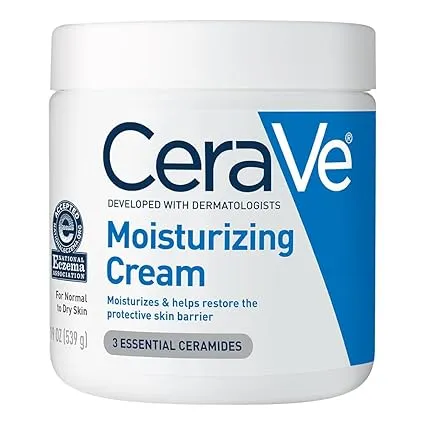
Moisturizing Cream
CeraVe
$18
★★★★½
For simple, minimal-ingredient moisturizing: The Ordinary’s Natural Moisturizing Factors + HA contains the skin’s own naturally occurring moisturizing compounds — amino acids, sodium PCA, urocanic acid — plus hyaluronic acid. It’s about $7 and has no ambiguity about what it contains.

Natural Moisturizing Factors + HA
The Ordinary
$7
★★★★½
For people who want a multitasking oil with documented ingredients: If an oil-based formula appeals to you, the Kerala Botanics Ayurvedic Vitamin C Face Oil takes a different approach — combining a stabilized, long-lasting form of vitamin C with bakuchiol (a plant-based retinol alternative with actual clinical backing) in a single oil. It’s rooted in Ayurvedic formulation traditions, works as a moisturizer replacement, and doesn’t ask you to take ancestral storytelling on faith. Not ideal for oily skin, and it won’t have the same clinical data depth as Skinceuticals CE Ferulic — but as an all-in-one for dry-to-normal skin, it’s a genuinely thoughtful formula.
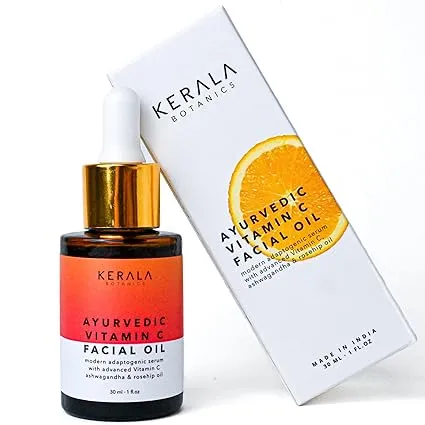
Ayurvedic Vitamin C Face Oil
Kerala Botanics
$49
★★★★☆
For more options across oil formats and vitamin C delivery systems, see Vitamin C Serum vs Vitamin C Oil.
Putting It All Together
Beef tallow is not toxic. It’s also not the suppressed miracle that its most vocal advocates claim it to be.
As a basic emollient with a reasonable fatty acid profile, it can moisturize dry skin. That’s a genuinely useful thing, and if you use a well-sourced tallow balm and your skin likes it, that’s a defensible choice. The bar for “works as a moisturizer” is not high.
What tallow cannot do: clear acne with any documented mechanism, replace retinol, outperform ceramide-based barrier repair, or deliver meaningful levels of vitamins A and D in any controlled way. And the trend is driven almost entirely by people who sell it — which should make you appropriately skeptical.
The cleanest version of the tallow argument is: “it’s a simple, minimally processed fat that works as a basic moisturizer.” The maximalist version — the one you see on TikTok — is not supported by the research. Dermatologists know this. The algorithm doesn’t.
If you want a simple routine, build it around things with actual clinical backing. A complete evening routine doesn’t need many steps. It just needs the right ones.