
Routines
Cloud Skin vs Glass Skin: The 2026 Complexion Goals, Decoded
Cloud skin is replacing glass skin as 2026's complexion goal. Here's what each look actually requires — and the routines that build them.
Disclosure — This article may contain affiliate links. We earn a small commission at no extra cost to you when you purchase through our links. This supports our ability to create independent, evidence-based skincare content.
Glass skin had a good run. Clean, reflective, almost poreless — it was the complexion ideal that dominated mood boards for the better part of a decade. But 2026 has a different answer, and it’s called cloud skin.
The shift makes sense. Glass skin required a particular kind of effort: multiple watery layers, meticulous application, and a finish that read as luminous indoors but turned into a sheen-management problem the moment humidity showed up. Cloud skin is the correction. Soft focus instead of sharp reflection. A blurred, pillowy finish that holds up in heat, under stress, in real light.
This isn’t about chasing a new aesthetic. It’s about understanding what these two looks actually require from a routine — and which one is worth building toward.
What Glass Skin Actually Is (Routine-Wise)
The look is a high-shine, almost lacquered finish with visible clarity and zero visible texture. From a routine standpoint, it’s built on hydration stacking — layering thin, water-based products until skin reaches maximum plumpness and the surface catches light like a smooth pane.
The classic approach leans heavily on K-beauty structure: an essence, a watery serum, possibly a second essence, then a lightweight gel moisturizer. The complete morning skincare routine covers the layering logic well, but glass skin takes it a step further by prioritizing slip and translucency above everything else.
What it needs:
- Strong humectants (hyaluronic acid, polyglutamic acid, glycerin)
- A near-seamless SPF that doesn’t interrupt the finish
- Consistent exfoliation to keep surface texture refined
What it struggles with: heat, humidity, oily skin types, and anything above a light tinted moisturizer. The reflective finish that looks incredible in January studio lighting flattens into something closer to “actively sweating” by July.
What Cloud Skin Actually Is
Cloud skin is the antithesis of high-shine. The finish is diffused — soft-focus, slightly pillowy, with a luminosity that comes from within rather than off the surface. Think of the difference between a glossy photograph and one shot through a very slight diffusion filter. Both are clear. One just reads as softer.
The technique leans on a few specific moves:
- Barrier-first prep. Deeply hydrated, healthy skin has a natural blurring quality. Compromised skin reads as uneven regardless of what goes on top.
- Texture-softening actives. Light chemical exfoliation (think mandelic or lactic acid used 2–3 times a week, not daily) smooths the surface without stripping.
- A finishing layer that diffuses rather than reflects. This is where cloud skin parts ways from glass skin — the final step is typically a cream or a balm-textured product, not a gel or a watery essence.
The goal is skin that looks well-rested and plump without the mirror-like finish. It photographs beautifully without looking like you’ve applied product. And critically, it holds up in heat because it’s not relying on a surface sheen that sweats off.
Why Cloud Skin Works Better in Summer
Glass skin asks a lot from skin’s surface. When that surface is humid, warm, or producing any oil at all, the finish breaks. The products are still doing their job — your skin is still hydrated — but the aesthetic result collapses.
Cloud skin is more forgiving because the finish isn’t surface-dependent in the same way. It’s built into the skin’s actual condition, not applied on top of it. A well-nourished barrier with good moisture retention looks soft and even regardless of weather. That’s the real advantage here — it’s not a look you have to maintain hour by hour. It’s the natural result of a functioning routine.
Building the Glass Skin Routine
If glass skin is your goal, hydration stacking is the foundation. Start with a hydrating toner or essence — something that layers without pilling — applied in three thin coats before anything else. This “three-skin method” is a straightforward way to flood skin with water-binding ingredients before they have competition from heavier products.
Hada Labo’s Gokujyun Premium Lotion is the reference standard here. Five molecular weights of hyaluronic acid, a formula that plays well with everything layered on top, and a price point that makes the three-coat method feel reasonable.

Hada Labo Gokujyun Premium Hyaluronic Acid Lotion
Hada Labo
$14
★★★★½
After hydration, a lightweight vitamin C serum supports the clarity that glass skin depends on — evening tone and smoothing texture over time. The niacinamide vs vitamin C guide is worth reading if you’re stacking actives at this step. Niacinamide pairs well and adds its own pore-minimizing effect, which glass skin benefits from.
Seal with the thinnest possible SPF that won’t interrupt the finish. Korean sunscreens consistently win here because the formulation culture prioritizes skin feel above almost everything else. Beauty of Joseon’s Relief Sun is the go-to for this — lightweight, slightly dewy, and it doesn’t pill under layers.
Beauty of Joseon Relief Sun: Rice + Probiotics SPF 50+
Beauty of Joseon
$16
★★★★½
Building the Cloud Skin Routine
Cloud skin starts one step earlier than most routines do: barrier health. If your skin’s moisture retention is compromised, no amount of blurring product will give you the cloud effect. You’ll get patchiness instead. The work happens in the weeks before the look, not on the morning of.
Step 1: Consistent Hydration (But Fewer Layers)
Cloud skin doesn’t need five-layer hydration stacking. Two good layers — a watery essence or toner, then a cream — work better than chasing translucency. The goal is plump, not slippery.
COSRX Snail Mucin 96% Essence is worth the mention here. It hydrates, supports barrier repair, and leaves a slightly cushioned finish that contributes to the soft-focus effect. It’s one of those products that’s been around long enough to feel unfashionable, but the formula holds up.
COSRX Snail Mucin 96% Power Repairing Essence
COSRX
$25
★★★★½
Step 2: A Treatment That Multitasks
Cloud skin benefits from a vitamin C source that doesn’t leave a wet finish. This is where an oil-based vitamin C makes practical sense — it delivers brightness and antioxidant support while the oil component acts as a partial moisture-sealer, contributing to the soft finish cloud skin requires.
Kerala Botanics’ Ayurvedic Vitamin C Face Oil fits here neatly. The formula uses a stabilized vitamin C that stays active in skin cells significantly longer than standard L-ascorbic acid, paired with bakuchiol for gentle retinol-like support. For anyone building a simplified routine, it replaces serum, treatment oil, and part of the moisturizer step — which is exactly the kind of consolidation that cloud skin rewards. The Ayurvedic formulation gives it a richness that contributes to the blurred finish. The honest caveat: it’s not for oily skin types in humid climates, and it may feel heavy under makeup for some. But as an evening treatment, or for drier skin in the morning, it works well.
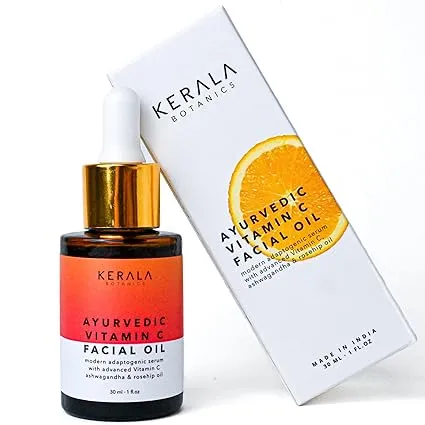
Ayurvedic Vitamin C Face Oil
Kerala Botanics
$49
★★★★☆
For more on how oil-based vitamin C compares to serum formats, Vitamin C Serum vs Vitamin C Oil covers the trade-offs directly.
Step 3: A Sunscreen That Doesn’t Interrupt
Cloud skin’s finish can be undone by an SPF that sits on top rather than absorbing. Avoid anything that dries matte (it will exaggerate texture) or too dewy (it collapses the diffused effect). A gel-cream hybrid is the sweet spot.
Isntree’s Hyaluronic Acid Watery Sun Gel delivers SPF 50+ in a format that adds a layer of hydration without shine. It settles into a soft, skin-like finish that supports rather than fights the cloud aesthetic.
Isntree Hyaluronic Acid Watery Sun Gel SPF 50+
Isntree
$18
★★★★☆
The One Mistake That Kills Both Looks
Over-exfoliation. It’s the single most common way a well-intentioned routine falls apart — and it ruins both glass skin and cloud skin for different reasons.
For glass skin, aggressive exfoliation strips the barrier, which causes reactive oil production. You end up with more surface sheen, not less, but it’s the uncontrolled kind. For cloud skin, it removes the very plumpness and uniformity that the look depends on. Skin that’s been stripped reads as thin and uneven, not pillowy.
Two to three times a week, maximum. A gentle AHA — lactic or mandelic, not daily glycolic — is enough. The over-exfoliation signs and recovery guide is worth reading if you’re not sure where your current routine lands.
Which One Should You Actually Build Toward?
Glass skin is achievable, but it requires the right skin type and conditions. It’s a better fit for normal-to-dry skin in cooler climates, or for people who wear minimal or no makeup and can control their finish throughout the day.
Cloud skin is more universally useful. It’s the better summer choice for almost everyone — because it’s rooted in skin condition rather than surface chemistry, it holds. It’s also the more sustainable long-term goal. A healthy, well-hydrated barrier with good texture eventually just looks like cloud skin. You stop chasing the look and it starts happening on its own.
Both aesthetics are essentially the same thing underneath: the routine discipline to maintain hydration, protect consistently with SPF, and not wreck your barrier chasing results faster than your skin can deliver them. The skin-streaming trend is a useful companion read if you want to strip your routine down to exactly what serves these goals.
Putting It All Together
The difference between glass skin and cloud skin isn’t just aesthetic — it’s structural. Glass skin prioritizes surface luminosity through hydration layering and a high-clarity finish. Cloud skin prioritizes skin condition first, and lets the soft-focus finish follow naturally.
For summer 2026, cloud skin is the more practical goal. It survives heat, humidity, and real life in a way that glass skin doesn’t. And the routine that builds it — barrier repair, consistent hydration, light exfoliation, and a well-chosen SPF — is genuinely good skincare by any other name. The trend gives it a label. The underlying logic has been the same all along.