
Routines
Skincare Instead of Foundation: Building a No-Makeup Glow
Skip the coverage, not the effort. How to build a skincare routine that makes your skin look good enough to go bare-faced.
Disclosure — This article may contain affiliate links. We earn a small commission at no extra cost to you when you purchase through our links. This supports our ability to create independent, evidence-based skincare content.
Foundation doesn’t fix skin. It covers it. And a lot of people have started noticing the difference.
The behavioral shift is real: searches for “no-makeup makeup” have been climbing for years, but what’s actually changed recently is the intent behind them. People aren’t looking for a convincing foundation alternative. They’re asking whether they need foundation at all — and whether good skincare can just replace it.
The honest answer is: sometimes, yes. Not always, and not for everyone. But for a meaningful number of people, the right skincare routine does more for appearance than a layer of coverage ever could. Skin that’s hydrated, even-toned, and has a healthy surface sheen reads as glowing to the human eye. No filter required.
This guide lays out exactly how to build that routine — what the active ingredients are, how to layer them, and what realistic results look like.
Why Foundation Became the Default (And Why That’s Shifting)
For decades, the beauty industry sold foundation as the starting point. Skincare was what you did to prepare skin for makeup. The product hierarchy was clear.
That framing is changing, partly because of ingredient education. As more people learned what retinoids, vitamin C, and exfoliants actually do at the cellular level, the appeal of investing upstream — in the skin itself — became obvious. A well-formulated vitamin C serum applied consistently for three months will fade hyperpigmentation in a way that no amount of concealer can replicate. The concealer just moves the problem forward.
Social media accelerated this. But filter fatigue is real, and there’s a visible counter-movement toward showing actual skin texture, unretouched. That’s not just aesthetic philosophy. It’s creating genuine demand for skincare that performs visibly.
The people dropping foundation aren’t abandoning appearance standards. They’re changing what they’re optimizing for.
What “Glow” Actually Means, Physiologically
Before building a routine around it, it helps to know what you’re actually targeting.
Skin looks luminous when light reflects evenly off its surface. That happens when three things are true: the surface is smooth (no rough texture or flaking), the tone is even (no patches of discoloration pulling the eye), and there’s adequate hydration in the stratum corneum so the surface doesn’t look flat or matte.
Dull skin is usually the result of one or more of those being off. Rough texture scatters light. Uneven tone creates visual noise. Dehydration makes skin look flat and tired. Fix those three things and you’ve built a glow — without a drop of highlighter.
The ingredients that address each of these are well-established. The routine below is built around them.
The Routine: Step by Step
This isn’t a 12-step protocol. Three to five steps done consistently will outperform an elaborate routine done sporadically. The goal is sustainable.
Step 1: A Cleanser That Doesn’t Strip
The cleanser is the step most people get wrong by over-engineering. You don’t need a “brightening” cleanser with actives — the contact time is too short for them to do much. What you need is something that removes the previous night’s products without disrupting your skin barrier.
A damaged barrier looks dull, tight, and reactive. If your skin feels squeaky clean after washing, that’s not a good sign. That tight feeling is transepidermal water loss. You’ve removed the lipids that hold moisture in.
Gel cleansers with a pH around 5–5.5 work well for most skin types. Cream cleansers for drier skin. If you wear SPF during the day (and you should), a double cleanse in the evening is worth doing — oil-based first, then water-based. The double cleansing guide covers the method in detail.
Step 2: Vitamin C in the Morning
This is the highest-leverage step for the glow-from-skincare goal. Vitamin C does three things that matter here: it inhibits melanin synthesis (fading existing discoloration and preventing new spots), it acts as an antioxidant against UV-induced free radical damage, and it’s involved in collagen synthesis, which affects skin firmness over time.
The classic format is an L-ascorbic acid serum at 10–20% concentration. Effective, well-studied, and also famously unstable. L-ascorbic acid oxidizes quickly once you open the bottle, and many serums have already degraded before you’ve used a quarter of them.
The high-end benchmark is SkinCeuticals CE Ferulic — a 15% L-ascorbic acid formula with vitamin E and ferulic acid that stabilize it and boost its antioxidant effect. The data behind it is solid. So is the $182 price tag.
C E Ferulic
SkinCeuticals
$182
★★★★½
For those who want vitamin C in a non-serum format — or who find water-based actives irritating — there’s a different category worth considering.
The Kerala Botanics Ayurvedic Vitamin C Face Oil takes a different approach entirely. It uses a stabilized, oil-soluble vitamin C derivative rather than L-ascorbic acid, formulated to stay active in skin cells significantly longer than standard serum formats. It also contains bakuchiol, a plant-based compound that functions through some of the same pathways as retinol (cell turnover, collagen stimulation) without the irritation profile. The formula is rooted in Ayurvedic tradition — Amla, one of the densest natural sources of vitamin C, features prominently.
The practical angle: it replaces your serum, your facial oil, and in some cases your moisturizer, all in one step. That’s genuinely useful for people who want a shorter routine. At $49 it’s also a reasonable ask for a multi-step replacement.
The honest caveats: oil formats aren’t universal. If your skin leans oily, a face oil at the vitamin C step may not be the right call — it can feel heavy before SPF and makeup, or contribute to congestion. And the clinical data on the specific vitamin C derivative used isn’t as deep as the literature behind L-ascorbic acid. For a deeper look at how oil-soluble and water-soluble vitamin C compare mechanistically, this breakdown is useful.
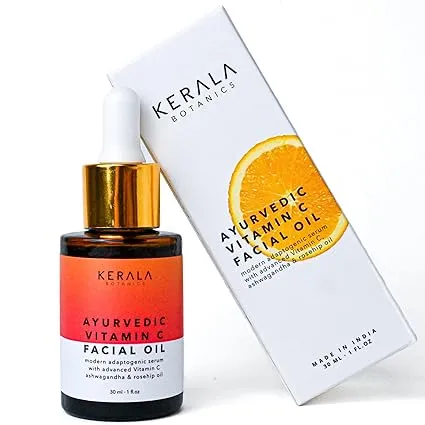
Ayurvedic Vitamin C Face Oil
Kerala Botanics
$49
★★★★☆
Step 3: Niacinamide for Tone and Pore Appearance
Niacinamide (vitamin B3) is the workhorse of even-tone skincare. It reduces the transfer of melanosomes from melanocytes to keratinocytes — which in plain English means it slows the process that creates dark spots. It also strengthens the skin barrier, reduces redness, and has a documented effect on the appearance of pore size.
Pore size itself is largely structural and can’t be permanently changed. But niacinamide reduces sebum production and tightens the look of pores, which matters when you’re going foundation-free. Nothing makes bare skin look worse than large, visible pores that would normally be filled in by coverage.
The Ordinary’s 10% + Zinc formula is the budget benchmark. Functional, unsexy, and it works.
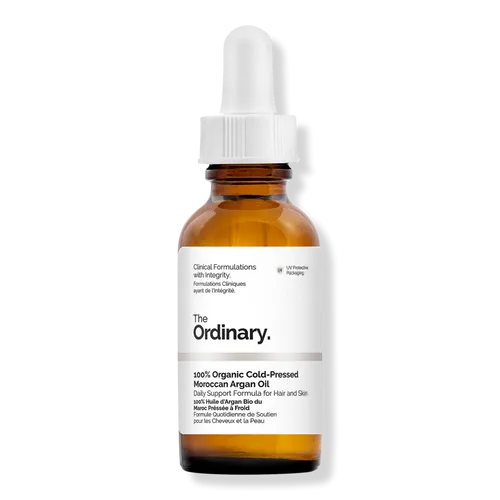
Niacinamide 10% + Zinc 1%
The Ordinary
$7
★★★★½
The old concern about mixing niacinamide with vitamin C causing niacin flush has been largely debunked at concentrations used in skincare. They can be used together without issue.
Step 4: Hydration
This step is where a lot of the visible “glow” comes from, and it’s also the most misunderstood. Hydration and moisture aren’t the same thing. That distinction matters more than most people realize.
Hydration means water content in the skin. Humectants — hyaluronic acid, glycerin, urea — draw water into the stratum corneum and hold it there. Moisture refers to the lipid barrier that prevents that water from evaporating. Ceramides and fatty acids handle that.
For the glow-from-skincare goal, you need both. A hydrating serum (hyaluronic acid) followed by a moisturizer that contains barrier lipids will give you plump, reflective skin rather than the flat, slightly papery look that under-hydrated skin has.
The Ordinary’s Hyaluronic Acid 2% + B5 is a reliable, affordable humectant layer. Apply it to damp skin — hyaluronic acid needs water available in the environment to do its job.
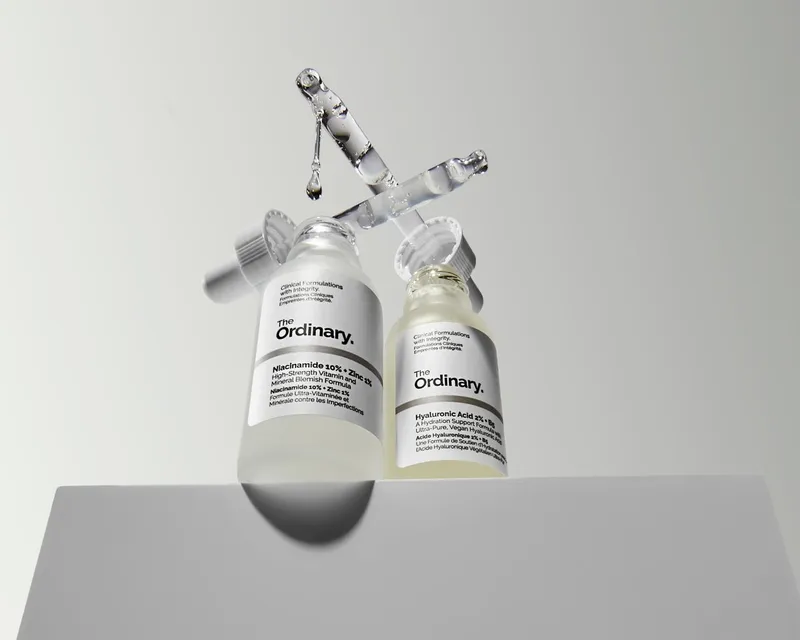
Hyaluronic Acid 2% + B5
The Ordinary
$9
★★★★☆
Step 5: SPF — Not Optional
This is where the routine ends, every morning, without exception.
UV exposure is the primary cause of uneven pigmentation, collagen breakdown, and the kind of skin aging that makes people feel like they need more coverage. Every brightening active in this routine works against UV damage. If you skip SPF, you’re spending money to fix a problem you’re actively recreating.
You don’t need a separate SPF and moisturizer. A good moisturizer with SPF 30 or higher does both jobs. Kiehl’s Ultra Facial Cream SPF 30 is a solid, widely available option — lightweight enough to layer comfortably and formulated with a barrier-supporting ingredient profile.
Ultra Facial Cream SPF 30
Kiehl's
$42
★★★★½
The Evening Routine: Where Most of the Work Happens
Morning is protection and antioxidants. Evening is repair and turnover.
The single highest-impact evening addition for the no-foundation goal is a retinoid. Tretinoin (prescription) and adapalene (OTC) both accelerate cell turnover, fade hyperpigmentation, and improve skin texture over time. The results take months to show and the adjustment period involves purging and irritation, but the long-term payoff on skin quality is significant. If you’re serious about this goal, starting with adapalene is the most accessible entry point.
Exfoliation two to three nights a week helps with texture and product absorption — chemical exfoliants (AHAs like glycolic acid, BHAs like salicylic acid) work better than physical scrubs for most people. Don’t overdo it. Over-exfoliation is a direct route to a damaged barrier and reactive, dull skin — the signs of over-exfoliation are worth knowing.
The complete evening routine guide covers sequencing in detail if you want to build out the PM side more fully.
What to Realistically Expect
A well-executed version of this routine, followed consistently, will produce visible improvement in skin tone and texture within eight to twelve weeks for most people. That’s not a guarantee — it depends on skin type, starting point, age, and how consistently you actually do it.
What it won’t do: cover active breakouts, even out significant post-inflammatory hyperpigmentation overnight, or replicate the instant uniform coverage of foundation. If you have a specific occasion in two weeks and you want flawless-looking skin for it, foundation is still faster.
This is a long-game approach. The people who’ve stopped wearing foundation typically didn’t quit overnight — they built a routine, watched their skin change over months, and gradually found they needed less coverage. That’s a realistic trajectory.
The complete morning skincare routine guide has more detail on sequencing if you want to fine-tune the AM side.
Putting It All Together
The foundation-free glow comes down to five things, consistently:
- Even tone — vitamin C (morning) and a retinoid (evening) do most of this work
- Smooth texture — regular chemical exfoliation and retinoid use
- Hydration — a humectant layer plus a barrier-supporting moisturizer
- Pore appearance — niacinamide, consistently
- Protection — SPF every single morning, without negotiation
That’s it. You don’t need ten products. You need the right five, used without gaps.
The Kerala Botanics face oil fits naturally into this as a multi-step replacement for the vitamin C, oil, and moisturizer steps — useful if you want to simplify the routine and are drawn to the oil format and Ayurvedic ingredient approach. If you prefer a more clinical serum + moisturizer split, SkinCeuticals CE Ferulic and a good ceramide moisturizer will get you there. Neither path is wrong. They’re just different bets on format and philosophy.
Pick the one you’ll actually do every day. That’s the one that works.