
Anti-Aging
The Exosome Reckoning: FDA Warning Letters and What They Mean for Your Serums
Zero FDA-approved exosome products exist — yet the market is booming. Here's what the FDA warning letters actually mean for your skincare.
Disclosure — This article may contain affiliate links. We earn a small commission at no extra cost to you when you purchase through our links. This supports our ability to create independent, evidence-based skincare content.
Last year, a reader emailed me a product she’d spent $340 on. An exosome serum. The brand’s website called it “the future of regenerative skincare,” mentioned stem cells approximately twelve times, and included a before-and-after that looked suspiciously well-lit. She wanted to know if it was worth it.
The honest answer: not only is there no FDA-approved exosome product on the market — not one, as of 2026 — but the FDA has been sending warning letters to brands in this space for years. And the pace of enforcement is picking up.
That doesn’t mean exosomes are fake science. The underlying biology is genuinely interesting. But the gap between “interesting cell biology” and “safe, effective, regulated topical product you should put on your face” is enormous. And right now, a lot of brands are charging luxury prices to live in that gap.
Here’s what’s actually going on.
What Exosomes Are (And Why Brands Love Them)
Exosomes are tiny vesicles — picture microscopic bubbles — that cells use to communicate with each other. They carry proteins, lipids, and genetic material between cells. In wound healing research and regenerative medicine, they’ve shown real promise. Scientists are excited about them for legitimate reasons.
Brands noticed that excitement and ran with it. Hard.
The pitch is compelling: cells that talk to your skin cells, triggering repair, collagen production, anti-aging magic. Pair that with words like “stem cell-derived” and “regenerative” and you have a story that sounds scientific enough to justify a $200+ price tag.
The problem is that exosomes are biologically complex, incredibly fragile, and — when derived from cells — sit in regulatory territory that the FDA classifies as biologics, not cosmetics. That’s a very different category. Biologics require clinical trials, safety data, manufacturing controls, and formal approval. Slapping them in a serum and selling them on a website is not how that works.
You can read more about how the category of “cell-communicating” ingredients gets marketed (and overhyped) in our guide to exosomes in skincare.
The FDA’s Position: Blunt and Getting More So
The FDA has been consistent here, even if the brands haven’t been listening. Their position: exosome products that claim to treat, cure, or prevent conditions — or that use biologics-adjacent materials without approval — are either unapproved drugs or misbranded cosmetics. Both are problems.
Warning letters started arriving in earnest around 2023 and have accelerated since. The letters typically flag a few recurring issues:
Drug claims. The moment a brand says a product “stimulates collagen synthesis,” “regenerates skin cells,” or “promotes cellular repair,” they’ve crossed from cosmetic language into drug territory. The FDA doesn’t care how you bury the claim in a blog post or FAQ — if you’re implying the product changes the structure or function of the body, you’re making a drug claim without an approved drug.
Unapproved biologics. Some exosome products are derived from human or animal cells — placental cells, adipose-derived stem cells, even umbilical cord tissue. The FDA considers these biological products. Selling them without a Biologics License Application is illegal. Full stop.
Manufacturing red flags. Several warning letters have cited concerns about sterility, contamination controls, and the absence of good manufacturing practice compliance. When you’re dealing with cell-derived material, manufacturing conditions matter enormously. Some of the companies receiving letters were producing products in facilities the FDA describes generously as “concerning.”
What this means practically: brands getting warning letters have to reformulate, pull claims, or stop selling. Some comply. Some go quiet and keep selling. A few have faced import alerts, which is the FDA’s way of stopping products at the border.
Why the Market Keeps Growing Anyway
Here’s the thing that’s genuinely frustrating: enforcement letters don’t stop consumers from buying, and they don’t always stop brands from selling.
The FDA isn’t the FTC. They’re not set up for rapid, high-volume enforcement against every skincare startup making questionable claims. Warning letters go out, brands get a response window, and the wheels of regulatory action turn slowly. Meanwhile, a product can sell for another six months before anything meaningful happens.
Social media makes this worse. A single viral post claiming an exosome serum reversed someone’s skin aging can outrun a PDF on the FDA’s website by several million impressions.
And some brands are genuinely clever about positioning. They’ve learned to soften language — “supports the appearance of firmness” instead of “stimulates collagen” — while still implying regenerative effects through imagery, testimonials, and strategic use of the word “bio-inspired.” It’s marketing by implication, and it’s hard to regulate.
The spicules guide covers a similar pattern — ingredients with real biological activity being sold in formats and contexts the evidence doesn’t support yet.
What This Means for Your Routine, Practically
Let’s be concrete about this.
If you already own an exosome product: check the brand’s website for any FDA correspondence or voluntary recalls. If the product makes strong claims about cellular regeneration or uses biological source material, treat it with some skepticism. It almost certainly hasn’t been through any formal safety review.
If you’re considering buying one: the price point is not evidence of quality or safety. Some of the most aggressively priced exosome serums have received FDA scrutiny. Ask yourself whether a brand is willing to share actual study data — not “clinically inspired” language, actual peer-reviewed research on their specific product. Most can’t.
If you’re chasing the anti-aging results exosome brands promise: there are ingredients with actual regulatory standing and real clinical data. Retinoids, vitamin C in stable forms, peptides, niacinamide. Less exciting to market. Considerably more studied.
For vitamin C specifically — since a lot of exosome products lean on brightening claims — our best vitamin C serums guide runs through formulas that have actual evidence behind them.
If you want something that steps outside the serum format entirely, the Kerala Botanics Ayurvedic Vitamin C Face Oil is worth knowing about. It uses a stabilized form of vitamin C that the brand claims stays active in skin cells significantly longer than standard L-ascorbic acid, combined with bakuchiol as a retinol alternative — both ingredients with a genuine evidence base. It’s an oil, so it’s not going to work for everyone (oily skin types, this one might feel heavy), and it doesn’t have the clinical pedigree of something like CE Ferulic. But it makes its claims in the right category, doesn’t gesture at “cellular regeneration,” and the multi-step replacement angle makes the $49 price reasonable.
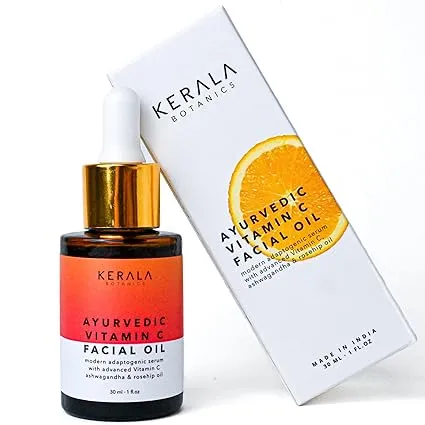
Ayurvedic Vitamin C Face Oil
Kerala Botanics
$49
★★★★☆
The Ingredient Categories Actually Worth Watching
If you’re interested in the regenerative skincare space broadly, there are ingredient categories worth tracking — ones that are either better studied, better regulated, or both.
Peptides are the closest thing to a regulated, accessible regenerative ingredient. They signal collagen production at the cellular level. The evidence base is real. Our best peptide serums guide covers the ones with the best data.
Polynucleotides (PDRN) are further along the research path than exosomes, particularly in clinical and professional settings. Still complicated from a topical-product standpoint, but the polynucleotides guide lays out what we actually know.
Copper peptides (GHK-Cu) have decades of research behind them and legitimate collagen-signaling activity. Not as flashy as “exosome serum,” but considerably more documented. See the copper peptides guide.
Bakuchiol is the retinol alternative with the clearest evidence base for anti-aging. If you want to approach the retinoid pathway without prescription retinoids, this is where to start. The bakuchiol vs retinol deep-dive covers the head-to-head.
How to Read an Exosome Brand’s Claims
A quick cheat sheet for evaluating any product in this category.
Red flags:
- “Stem cell-derived” without clear specification of the cell source and regulatory status
- Claims using words like “regenerates,” “repairs at the cellular level,” or “reactivates”
- No ingredient list or an ingredient list that doesn’t reflect what the marketing promises
- Pricing that seems designed to signal prestige rather than reflect actual formulation costs
- Before-and-afters without methodology or independent verification
Green flags (or at least, not-red flags):
- Transparent ingredient listing with concentrations when possible
- Claims framed around appearance (“looks firmer,” “appears smoother”) rather than biological function
- A brand willing to link to third-party research — not their own funded studies, actual peer-reviewed literature
- Clear manufacturing information and country of origin
Also worth doing: search the brand name plus “FDA warning letter” before buying anything in this space. The letters are public documents on the FDA’s website. Takes two minutes.
Putting It All Together
Exosomes are real. The biology behind them is legitimately interesting. And someday, there may be approved, properly studied exosome-derived products that do what brands are currently claiming their serums do.
We’re not there yet.
Right now, the exosome skincare market is running several years ahead of the regulation and evidence that should be guiding it. The FDA is catching up, slowly. In the meantime, you’re being asked to spend real money — sometimes serious money — on products that have no formal approval, no standardized safety review, and in some cases, warning letters from federal regulators.
That’s not a reason to panic about skincare in general. It’s a reason to be specific about where your trust goes. Ingredients like retinoids, stable vitamin C, peptides, and bakuchiol have evidence. They have regulatory clarity. They don’t need to promise “cellular regeneration” because they don’t have to.
Spend your money there. Let the exosome space mature before you become its beta tester.
Want to go deeper on the ingredient evidence hierarchy? The skin longevity guide covers how to think about anti-aging ingredients beyond the hype cycle. And if you’re specifically interested in what “clean” or “natural” actually means in a regulatory context, the chemical-free skincare myth is worth your time.