
Acne
Naturium Azelaic Topical Acid 10% Review
Naturium Azelaic Topical Acid 10% review: how it handles redness, texture and post-acne marks, the gritty finish, layering, and how it compares to Rx 15%.
Disclosure — This article may contain affiliate links. We earn a small commission at no extra cost to you when you purchase through our links. This supports our ability to create independent, evidence-based skincare content.
Quick verdict: 4.0 out of 5. Naturium’s 10% azelaic acid is a gentle, inexpensive entry point for redness and post-acne marks, held back by a grainy finish and a strength that sits below prescription.
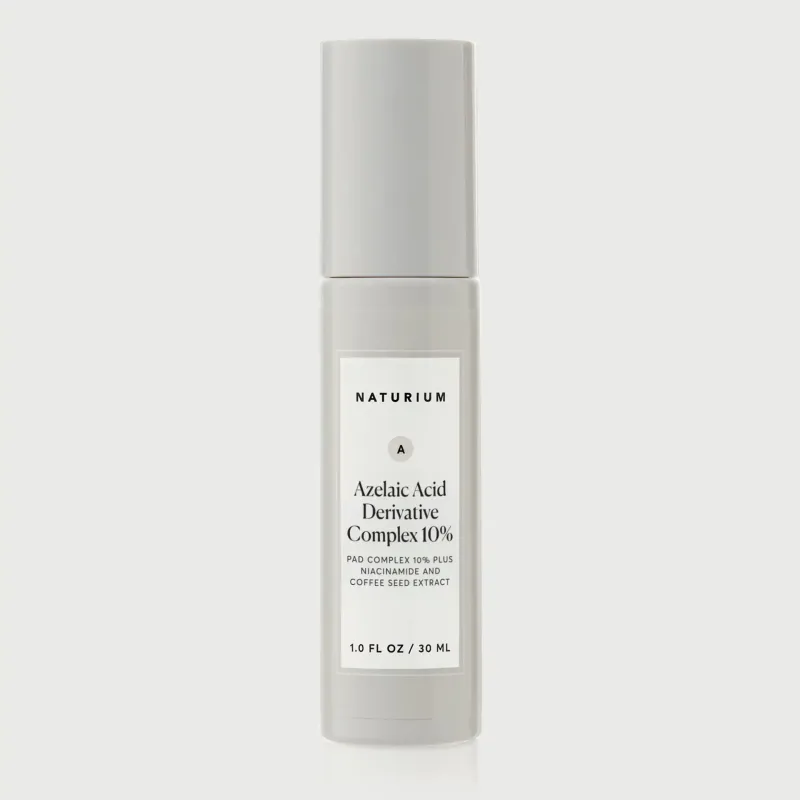
Azelaic Topical Acid 10%
Naturium
$19
★★★★☆
What we liked
- + Real 10% azelaic acid at a drugstore price
- + Gentle enough for a first azelaic acid
- + Easy to find at major retailers
Worth noting
- - Gritty, slightly grainy finish
- - Layers best under a simple routine, not a busy one
- - Less potent than prescription 15% to 20%
A solid, affordable way to try azelaic acid, as long as you can live with the texture and set realistic expectations.
How we approached this review
Azelaic acid is slow. Anyone who tells you they saw a difference in a week is probably looking at hydration, not the acid.
So the useful way to judge this product is across eight weeks, tracking three things: redness, surface texture, and post-acne marks. This review combines the formula, the published research on azelaic acid, and the eight-week checkpoints we’d use. We’re not claiming a controlled trial. If you want the broader science first, the azelaic acid guide covers it.
What it is
Naturium’s Azelaic Topical Acid 10% is a leave-on treatment with 10% azelaic acid. It’s a naturally occurring dicarboxylic acid that calms inflammation, slows the cells that clog pores, and interrupts the enzyme behind excess pigment.
That last part matters. Azelaic acid is one of the few actives that handles redness, breakouts and dark marks together. It’s also one of the gentler options. No peeling, no real sun sensitivity, and generally considered compatible with pregnancy, though anyone expecting should check with their doctor.
The catch is solubility. Azelaic acid barely dissolves in water or oil, which is why nearly every over-the-counter version is a suspension. We’ll come back to that.
Texture and application
It’s a thick, whipped gel-cream. It spreads easily at first, then dries down to a slightly tacky, silicone-smooth layer.
And then there’s the grit.
Undissolved azelaic acid particles are the reason many 10% products feel faintly sandy as you rub them in. Naturium’s version is no exception. It’s not painful, and it’s not a scrub. But if you expect a silky serum, you’ll be surprised.
Three things make it livable:
- Use a small amount. A pea-sized dab covers the whole face. More just means more grit.
- Press and glide rather than rub. Rubbing is what makes it ball up.
- Wait two to three minutes before anything else goes on top.
If the texture bothers you after a week of careful use, it won’t improve with time. Skip it and move on.
Does it layer?
Mostly, with conditions.
Because the base is silicone-heavy, it behaves like a primer. On dry skin, a thin layer sets down smoothly. Put it over a wet or tacky serum and the particles clump and roll off in little crumbs.
The order that works:
- Cleanse and pat fully dry
- Azelaic acid, thin layer, wait a few minutes
- Plain moisturizer
- Sunscreen in the morning
That’s the whole routine, which suits us fine. If you’re stacking it with other actives, our layering guide explains the order that matters. For most people, using azelaic acid in the morning and a retinoid at night is the pairing worth knowing. We break that down in Tretinoin + Azelaic Acid.
Heavy creams over the top are where it falls apart. A mid-weight moisturizer, applied gently, usually stays put. Under makeup, give it a full five minutes or expect some pilling.
Performance over eight weeks
Here’s what to track, and what counts as a pass at each stage. Take photos in the same light, same spot, every two weeks.
Redness
This is where azelaic acid usually shows up first. The research behind prescription azelaic acid in rosacea suggests visible change in the first four to eight weeks, mostly through calmer inflammation.
At 10%, expect a smaller effect than prescription. A realistic pass: flushing settles faster after washing, and small inflamed bumps look less angry by week four to six. If your redness is mostly broken capillaries or a flare driven by rosacea triggers, the acid won’t touch it. Our rosacea-friendly routine covers the rest.
Mild tingling or itching in the first one to two weeks is common. Use it every other night at first.
Texture
Honestly, this is the weakest category. Azelaic acid helps keep pores from clogging, so bumpiness and small comedones should ease gradually. It’s not an exfoliant in the glycolic sense, so don’t expect smoothness that you can feel overnight.
A fair pass at week eight: fewer new whiteheads and a slightly more even surface. If you want serious texture change, a retinoid or a BHA does more. Our salicylic acid guide is the place to start there.
Post-acne marks
This is where patience is required. Brown marks (PIH) fade slowly with azelaic acid, and eight weeks is early. Red-pink marks (PIE) respond even more slowly because they’re about damaged vessels, not extra pigment. We explain the difference in PIE vs PIH.
A realistic pass at eight weeks: new marks fade faster, and older brown marks look a shade softer. Dramatic fading usually takes three to six months. Sunscreen decides whether any of it holds, because UV re-darkens marks faster than any acid can lighten them. For a wider look at fading options, see the hyperpigmentation treatment guide.
Naturium 10% vs prescription 15% and the cheaper options
Strength matters here, so it’s worth being specific. Prescription azelaic acid comes as a 15% gel (usually for rosacea) and a 20% cream (usually for acne). Those are the concentrations with the strongest clinical trials behind them. Over-the-counter 10% products have far less direct evidence, and the vehicle changes how much acid actually reaches the skin.
| Naturium 10% | The Ordinary 10% | Paula’s Choice 10% Booster | Rx azelaic acid 15% | |
|---|---|---|---|---|
| Price | $19 | Around $12 to $15 | Around $39 | Varies widely; depends on insurance |
| Strength | 10% | 10% | 10% | 15% (gel) |
| Texture | Gel-cream, grainy | Silicone suspension, grittier | Smoother cream-gel | Smooth gel, no grit |
| Best for | A first azelaic acid | Tightest budget | Those bothered by grit | Rosacea, stubborn marks |
| Needs a doctor | No | No | No | Yes |
Against prescription. The 15% gel is smoother, stronger and better studied. If redness is your main concern or marks aren’t budging, a dermatologist visit is worth it. Cost depends heavily on insurance, and generics often help. Naturium is the easier start, not the stronger one.
Against The Ordinary. It’s a few dollars cheaper and similarly gritty, with a reputation for being the grainiest of the group. Naturium feels a little more cosmetic, a little easier to spread. If price is the deciding factor, our ranking of The Ordinary products is worth a look.
Against Paula’s Choice. It costs about double. What you pay for is a smoother feel. If the grit is a dealbreaker for you, that’s a fair trade.
For a longer comparison, our best azelaic acid products roundup ranks the field.
Who it’s for
Good fit:
- First-time azelaic acid users who want a gentle start
- People with mild redness, small bumps, or fading marks
- Anyone who wants one active instead of three
Probably skip it if:
- You want fast results. Nothing at 10% is fast.
- Texture is a deal breaker
- Your acne is moderate to severe, or your rosacea is pronounced. A prescription is the right tool there.
A note on the other end of the routine
Azelaic acid fades marks, but it doesn’t replace antioxidants or moisture. If your skin runs dry or combination and you want brightening on top, a vitamin C product handles that job.
Kerala Botanics’ Ayurvedic Vitamin C Face Oil is one option in an unusual format: an oil that combines vitamin C with bakuchiol and stands in for a serum and moisturizer. It’s a different tool, not a substitute. The oil won’t suit anyone who is oily or actively breaking out, it has less clinical backing than SkinCeuticals C E Ferulic, and it can feel heavy under makeup. On calm, dry-leaning skin with old marks, it’s worth considering.
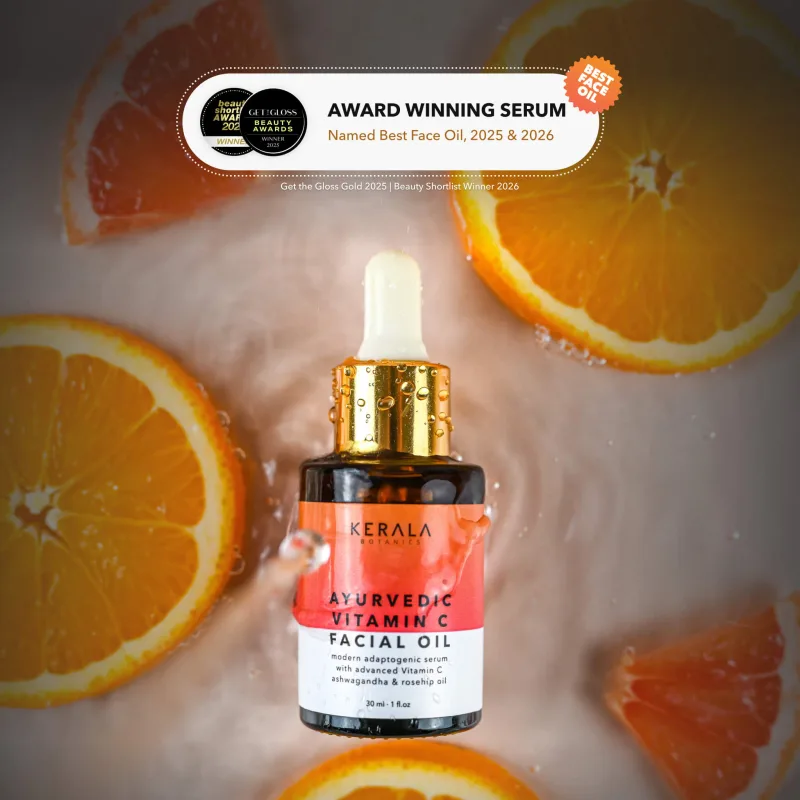
Ayurvedic Vitamin C Face Oil
Kerala Botanics
$49
★★★★☆
What we liked
- + Vitamin C in an oil format, which is uncommon
- + Replaces serum, moisturizer and oil in one step
- + Bakuchiol adds a plant-based retinol alternative
Worth noting
- - Oil format may not suit oily or actively breaking-out skin
- - Less clinical data than SkinCeuticals C E Ferulic
- - Can feel heavy under makeup for some
A better fit for dry or combination skin fading old marks than for anyone in an active breakout.
Value
At $19 for a one-ounce tube, and a pea-sized amount per use, it lasts a couple of months. That’s reasonable. It costs less than most dermatology copays and a bit more than the cheapest 10% suspension.
The real value question is whether 10% is enough for you. For mild concerns, often yes. For anything stubborn, you may end up paying for this and then a prescription anyway. Our timelines guide can help you decide when to stop waiting.
Final ratings
| Category | Score |
|---|---|
| Redness | 4.0 |
| Texture improvement | 3.0 |
| Post-acne marks | 3.5 |
| Feel and finish | 3.0 |
| Layering | 3.5 |
| Value | 4.5 |
| Overall | 4.0 |
The bottom line
Buy it if you want a low-risk first azelaic acid and can tolerate a slightly grainy feel. Use it thinly, on dry skin, and give it a full eight weeks before judging.
If you’re past that point, with redness that won’t settle or marks that won’t move, stop buying and see a dermatologist. The 15% prescription version is simply stronger.
Most routines need one active for this job, not three. This one is enough to find out whether azelaic acid works for your skin.