
Acne
PIE vs PIH: The Red Marks and Brown Marks Need Different Treatments
Red marks and brown marks after acne aren't the same thing. PIE vs PIH explained — plus a simple self-test and separate ingredient stacks for each.
Disclosure — This article may contain affiliate links. We earn a small commission at no extra cost to you when you purchase through our links. This supports our ability to create independent, evidence-based skincare content.
Here’s something the skincare internet almost never gets right: that red mark your pimple left is not a brown spot. It’s not even the same category of problem. One is a vascular issue. The other is a pigment issue. And if you’re treating them the same way, you’re probably wasting months on the wrong ingredients.
This is the PIE vs PIH breakdown — what’s actually happening in your skin, how to tell the difference yourself in about ten seconds, and exactly which ingredient stack does what.
First, Let’s Sort Out What You’re Actually Looking At
After a pimple heals, it leaves something behind. Most people call it a scar, move on, and start throwing random brightening serums at it. The problem is that “post-acne mark” covers two completely different things that respond to completely different treatments.
Post-inflammatory erythema (PIE) is the red, pink, or purple mark that lingers after a breakout. It’s a vascular response — your skin had to send a rush of blood to the inflammation site, and the capillaries in that area got damaged or dilated. The discoloration is literally coming from blood vessels near the surface of the skin, not from excess pigment. More common in fair to medium skin tones, but it can happen in any skin.
Post-inflammatory hyperpigmentation (PIH) is the brown, tan, or dark mark left after inflammation. That one is melanin — your skin produced extra pigment as part of its wound-healing response, and it got deposited unevenly. More pronounced in medium to deeper skin tones, because those skin types have more active melanocytes to begin with, but it affects everyone.
The key thing: PIE is a blood vessel problem. PIH is a melanin problem. The approach is different. The timeline is different. And some of the most popular brightening ingredients — the ones the algorithm keeps pushing at you — work on one but not the other.
The Ten-Second Self-Test
You can tell them apart at home right now. Press a clean finger or a glass firmly against the mark and hold for a few seconds.
If the mark fades or disappears under pressure: PIE. The color is coming from blood in the vessels, which gets pushed out of the area temporarily. When you release, it floods back in.
If the mark stays exactly the same under pressure: PIH. Melanin doesn’t move. It sits in the skin cells regardless of what you press on them.
This is called diascopy, and dermatologists actually use it in practice. No appointment required. Do it in natural light for the clearest read.
A third scenario: the mark has both a reddish and brownish component. That happens — especially with deeper breakouts that caused both vascular damage and a pigment response. In that case, you’ll want elements of both treatment stacks, but start with whichever color is dominant.
Treating PIE: Think Anti-Inflammatory and Vascular
PIE is not going to respond to alpha arbutin or kojic acid. Those work on melanin synthesis, and that’s not what’s happening here. What PIE needs is ingredients that support the vasculature, calm residual inflammation, and help the damaged capillaries repair themselves.
The ingredients that actually help PIE
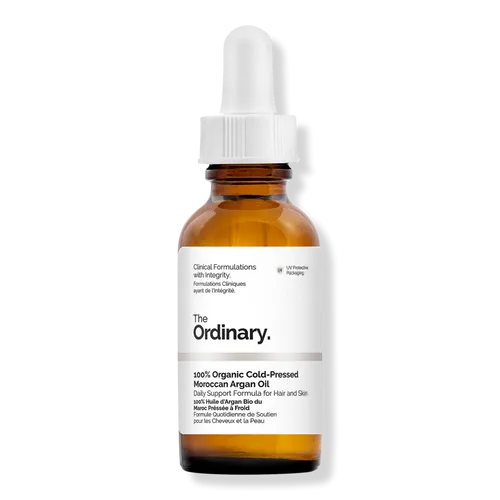
Niacinamide is the most accessible and probably the most evidence-backed for PIE. It reduces inflammation, strengthens the skin barrier, and has some effect on vascular reactivity over time. It’s also essentially impossible to misuse. The full niacinamide breakdown is here if you want the science.
Niacinamide 10% + Zinc 1%
The Ordinary
$7
★★★★½
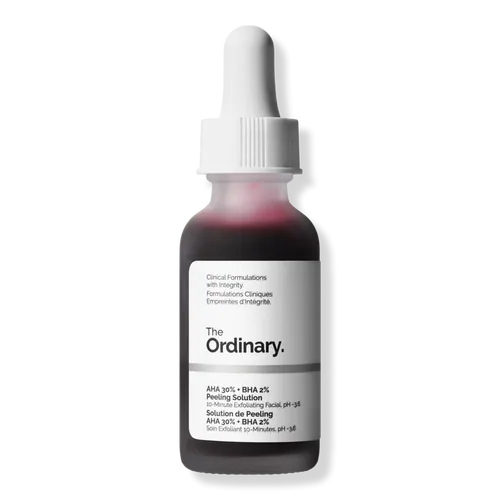
Azelaic acid is doing a lot of work here. It’s anti-inflammatory, it has some melanin-inhibiting properties (so it bridges both categories), and it’s genuinely calming for irritated, reactive skin. It’s also one of the better options for sensitive skin that can’t tolerate high-strength actives.
Azelaic Acid Suspension 10%
The Ordinary
$12
★★★★☆
Centella asiatica (cica) is the one I’d add if your skin is still feeling inflamed or sensitized after breakouts. It supports wound healing, strengthens the barrier, and actively works to calm the vascular response. Worth understanding in depth — see the full cica guide here.
Centella Asiatica 100
Skin1004
$18
★★★★½
Sunscreen. Yes, it belongs in the PIE section. UV exposure causes vasodilation — the blood vessels widen — which makes red marks more visible and slows their fading. Daily SPF is non-negotiable for both PIE and PIH, but people often skip this step because it doesn’t feel like it’s “treating” anything. It is. How UV exposure can lock in post-acne marks is explained here.
What to skip for PIE
Vitamin C in a high-strength L-ascorbic acid serum isn’t the priority here. It won’t hurt, but it’s working on oxidative stress and melanin synthesis, not blood vessels. AHA exfoliants at aggressive concentrations can actually worsen PIE if your skin is still sensitized — surface exfoliation doesn’t reach the vasculature.
PIE is patient. It can take three to six months to fully fade, even with the right routine. The capillaries have to repair from within.
Treating PIH: Interrupt Melanin at Every Stage
PIH is where the classic brightening ingredients actually belong. You’ve got multiple ways to intervene in melanin synthesis, and stacking them thoughtfully can cut your timeline down significantly.
The ingredients that actually help PIH
Tranexamic acid has become one of the most compelling additions to the post-acne toolkit. It works on a different pathway than most brighteners — it interrupts the signal between keratinocytes and melanocytes, essentially blocking the communication that tells your skin to produce more pigment in the first place. Effective, well-tolerated, and underused.
Tranexamic Acid 10% + EGCG
The Inkey List
$16
★★★★☆
Alpha arbutin is a tyrosinase inhibitor — it blocks the enzyme your skin needs to make melanin. Gentler than hydroquinone, available over the counter, and has good evidence behind it for hyperpigmentation specifically. The full alpha arbutin breakdown is worth reading if you haven’t.
Alpha Arbutin 2% + HA
The Ordinary
$10
★★★★☆
Vitamin C earns its place in the PIH stack — it inhibits melanin oxidation and prevents pigment from fully forming. The form matters a lot. Standard L-ascorbic acid works but oxidizes quickly and can irritate sensitized skin post-breakout. Oil-soluble forms and newer derivatives tend to be more stable and gentler on reactive skin.
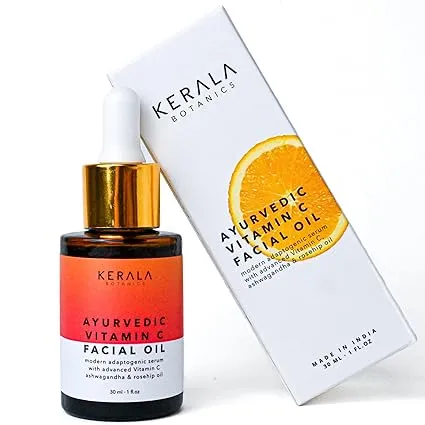
If you want a vitamin C option that doubles as a moisturizing treatment and skips the acidic serum format entirely, the Kerala Botanics Ayurvedic Vitamin C Face Oil is worth considering. It uses a more stable vitamin C form that the brand claims stays in skin cells significantly longer than standard L-ascorbic acid, paired with bakuchiol — a plant-based retinol alternative that brings its own contribution to cell turnover and evening out skin tone. The oil format won’t be for everyone (oily-skin people may find it heavy, and it can feel a lot under makeup), and it has less clinical track record than something like CE Ferulic. But as a multi-step replacement — serum, oil, and some moisturizer function in one — it makes sense for simplified routines dealing with PIH.
Ayurvedic Vitamin C Face Oil
Kerala Botanics
$49
★★★★☆
AHA exfoliation (lactic acid, mandelic acid, or glycolic acid at reasonable concentrations) accelerates cell turnover and helps bring pigmented cells to the surface faster. This is where exfoliants actually move the needle — but wait until any active inflammation has fully settled first. Lactic acid is particularly worth knowing for sensitive skin and mandelic acid is the best pick for deeper skin tones dealing with PIH.
Kojic acid is older and less discussed than the trendy options, but still effective as a tyrosinase inhibitor. Can be sensitizing at higher concentrations, but it’s a legitimate tool.
One more thing about PIH and sun protection
UV exposure after inflammation actively makes PIH worse. The pigment-producing cells are still hyperactive in recently healed skin, and any sun exposure can re-trigger overproduction and darken marks that were starting to fade. This is especially true for medium-to-deep skin tones. SPF every single morning. Reapply if you’re outside. Not optional.
The Marks That Are Actually Scars (And What That Means)
Quick clarification before we wrap this up. PIE and PIH are not scars — they’re marks. They live in the upper layers of the skin and will eventually fade with time and the right routine, even if you do nothing at all.
Textural changes are different. If your skin has indentations (ice pick, rolling, or boxcar scars), those are structural — the dermis was damaged, and topical ingredients can’t rebuild that architecture. For those, you’re looking at in-office options like microneedling, laser, or chemical peels. The broader hyperpigmentation guide covers where topical treatments end and procedures begin.
If what you have is flat discoloration — red or brown — you’re dealing with PIE or PIH. Good news: both are treatable with the right approach.
Putting It All Together
The next time a pimple fades and leaves something behind, press a finger on it. Fades under pressure? PIE — reach for niacinamide, azelaic acid, cica, and sunscreen. Stays put? PIH — bring in tranexamic acid, alpha arbutin, vitamin C, and gentle exfoliation once things have calmed down.
Using vitamin C as your primary treatment for a red mark, or slathering cica on a brown mark and wondering why nothing’s changing — that’s how you lose six months. The marks are different. The biology is different. The ingredients have to match.
Get the diagnosis right first. Everything else follows.