
Acne
Purging or Breaking Out? How to Tell the Difference
Purging or breaking out? Learn which actives actually cause a purge, the timeline and location clues that tell them apart, and when to stop a product.
Disclosure — This article may contain affiliate links. We earn a small commission at no extra cost to you when you purchase through our links. This supports our ability to create independent, evidence-based skincare content.
Purging is real, but it’s narrow. It happens with a short list of ingredients, in a predictable pattern, for a limited time. Most of what gets called purging is irritation or a bad fit, and the two need opposite responses.
This guide covers three things: which actives can purge, how to read the timeline and location, and when to stop. If you only want the rule of thumb, here it is. A purge looks like your usual acne, shows up where you usually break out, and fades within about two months. Anything else is probably the product.
What Purging Actually Is
Acne starts below the surface. A clogged pore, called a microcomedone, can sit there for weeks before it turns into a visible pimple.
Some ingredients speed up how fast skin cells turn over. That pushes those hidden clogs to the surface all at once. You see a cluster of breakouts that were already on their way. The product didn’t create them. It just moved the schedule up.
That’s the whole idea. A purge is a preview of acne you were going to get anyway, compressed into a few weeks. Afterward there’s less of it, because the pores are cleared out.
It also explains why purging can’t happen with everything. If an ingredient doesn’t change cell turnover, there are no hidden clogs to rush forward.
Which Actives Can Purge (and Which Can’t)
The honest list is shorter than the internet suggests.
Can purge
- Prescription retinoids like tretinoin and tazarotene. This is the classic case. We cover it in detail in the tretinoin purge guide.
- Adapalene. Same mechanism, usually milder. It’s the one most people meet first, since it’s over the counter.
- Oral isotretinoin. A flare in the first month or two is well documented.
Maybe, with weaker evidence
- Salicylic acid, glycolic acid, and other exfoliating acids. They increase turnover a little, so a mild adjustment period is plausible. But there’s far less data here, and a lot of “acid purging” is just overdone exfoliation.
- Azelaic acid. Some people report a brief flare. Many more tolerate it with nothing at all.
- Over-the-counter retinol. Weaker than adapalene, so any purge is usually small and short.
Cannot purge
- Vitamin C, niacinamide, hyaluronic acid, peptides, ceramides
- Moisturizers, face oils, sunscreens, and cleansers
- Bakuchiol, which doesn’t act on turnover the way retinoids do
- Sheet masks, toners, and essences
- Benzoyl peroxide, which kills bacteria rather than accelerating turnover
If you started a new vitamin C serum and broke out two weeks later, that wasn’t a purge. Something in the formula didn’t agree with your skin. It might be a clogging ingredient, a fragrance, or a preservative. That’s useful information, not a phase to endure.
Most “Purging” Is Irritation
We’ll say it plainly. The majority of purge claims, especially for non-retinoids, are irritation, a clogging ingredient, or a barrier that’s been pushed too far.
The word “purge” is comforting. It turns a bad reaction into a sign of progress. Brands and forums both lean on it, because it keeps people using the product. But skin that’s stinging, flaking, and covered in new bumps isn’t detoxing. It’s inflamed.
Irritated skin breaks out for real reasons. A damaged barrier lets in more bacteria and loses more water. Inflamed follicles swell and clog. Picking at flaky, tight skin makes it worse. If that sounds familiar, our guide on over-exfoliation signs and recovery walks through the repair.
A decent test: would a purge really apply to this ingredient? If it’s not on the first list above, assume irritation or a poor fit until proven otherwise.
The Tells: Location
This is the most reliable clue, and it costs nothing.
A purge shows up where you already break out. If your acne lives on your chin and jaw, a purge flares there. If it lives on your forehead, it flares there. The pores that were already clogging are the ones being cleared.
A reaction shows up where you don’t. New bumps on your cheeks when you’ve never had cheek acne point to the product. So do bumps along the hairline, around the mouth, or on the neck, where the product or its residue collects.
One caveat. Retinoids can reach clogs you didn’t know about, so a few lesions in a slightly new spot don’t automatically rule out a purge. But if the pattern is mostly foreign territory, take it seriously.
The Tells: Timeline
Purging runs on a schedule, because skin cell turnover does.
- Starts: within the first two to four weeks.
- Peaks: somewhere between weeks three and six.
- Fades: most people see improvement by week six to eight, and clearing by twelve.
- Direction: it should trend better, even if unevenly.
Skin cell turnover takes roughly four to six weeks, so that’s the window to watch. A breakout in week one is usually too early for a true purge, and more likely irritation. A breakout that starts at month four, long after your skin adjusted, isn’t a purge either. Something changed, whether a product, a hormone swing, or a stressful month.
For realistic expectations on other products, how long until skincare works lays out the timelines.
The Tells: What the Pimples Look Like
Look at the individual spots, not just the pattern.
Purge lesions tend to:
- Look like your usual breakouts: small whiteheads, blackheads, a few red bumps.
- Come and go faster than normal, often within a few days.
- Show up without much else going wrong with your skin.
Reaction lesions tend to:
- Look different from your usual acne. Uniform tiny bumps, rash-like patches, or itchy clusters.
- Come with burning, itching, tightness, or swelling.
- Stick around, with new ones appearing as old ones fade.
Itchy, uniform, same-size bumps on the forehead or along the jaw deserve a second look. They can be fungal acne rather than ordinary acne, which responds to different treatment. Our fungal acne guide shows how to tell.
Peeling and dryness, by the way, don’t count as evidence of a purge. They’re side effects of retinoids, and they can happen without any purge at all. They’re about the barrier, not clogged pores.
A Quick Comparison
| Purge | Reaction or breakout | |
|---|---|---|
| Location | Your usual spots | New areas |
| Timing | Weeks 2 to 8 | Week 1, or after month 3 |
| Lesion type | Familiar, small | Unfamiliar, itchy, uniform |
| Trend | Slowly improving | Flat or worsening |
| Ingredient | Retinoid, possibly an acid | Anything |
Products That Illustrate the Difference
Two examples help here, because they sit on opposite sides of the line.
Adapalene is a purge candidate. It’s the gentlest retinoid you can buy without a prescription, and it speeds up turnover. If you start it, a few rough weeks are normal. Use a pea-sized amount for the whole face, apply it a few nights a week, and build up.
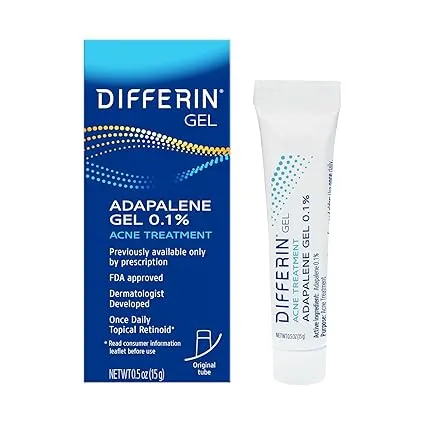
Differin Adapalene Gel 0.1%
Differin
$15
★★★★½
If you’re choosing between retinoids, tretinoin vs adapalene explains the trade-offs, and the tretinoin beginner’s guide covers a sensible start.
Bakuchiol is not. It’s a plant-derived retinol alternative, and in studies it improves texture and tone without the same turnover effect. That means a bakuchiol product doesn’t get the “it’s just purging” excuse. If you break out, the product is the likely cause. Kerala Botanics’ vitamin C face oil pairs bakuchiol with a vitamin C derivative in an oil base, which makes it a clean example. The format is the catch. Oils don’t suit everyone, and oily or acne-prone skin may not tolerate one well. It also has less clinical data behind it than established retinoids. If you’re acne-prone and want to try it, patch test first, and read our notes on face oils for oily, acne-prone skin.
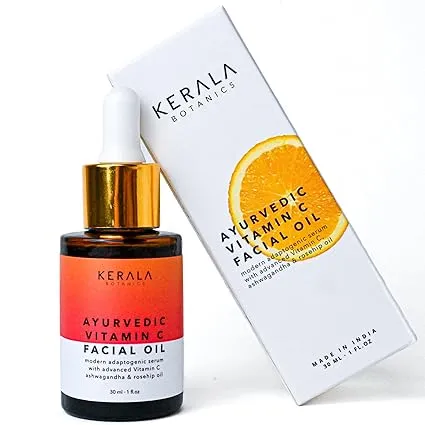
Ayurvedic Vitamin C Face Oil
Kerala Botanics
$49
★★★★☆
For a deeper look at how the two ingredients compare, see bakuchiol vs retinol.
When to Stop a Product
Purging doesn’t mean you have to suffer. Stop, or at least pause, when any of these happen:
- It’s been 12 weeks with no clear improvement. A purge that long isn’t a purge.
- It’s getting worse each week rather than leveling off.
- You have burning, itching, swelling, or a rash. Those are reactions.
- Deep, painful cysts appear. Cystic lesions can scar, and that’s not worth gambling on.
- Marks are lingering, especially on medium to deep skin tones where post-acne dark spots form easily.
- The breakouts are in new places and look unlike your usual acne.
Stopping isn’t failing. Pause the product for a week or two, keep to a plain cleanser, moisturizer, and sunscreen, and see what happens. If your skin settles quickly, you have your answer.
If you’re on a prescription retinoid and unsure, call your prescriber before quitting. They can adjust the strength or frequency, and that often fixes the problem.
How to Get Through a Real Purge
If it really is a purge, a few things keep it short and tolerable.
- Start slowly. Two or three nights a week for the first few weeks, then increase.
- Keep the rest simple. Don’t add acids, scrubs, or new serums on top of a retinoid.
- Moisturize and wear sunscreen. A healthy barrier makes the adjustment easier.
- Don’t pick. Picking turns a quick purge into marks that last months.
And change one thing at a time. If you start three products in the same week, you’ll never know which one to blame. A simple patch test before each new product saves a lot of guessing.
Putting It All Together
Purging needs three things to be true: an ingredient that speeds turnover, breakouts in your usual areas, and a timeline that fits, roughly weeks two through eight. Miss any one and it’s more likely irritation or a poor match.
For retinoids, expect some rough weeks and ride them out with a gentle routine. For everything else, skip the purge story. If a new product is breaking you out, take it at face value and stop using it.
Skin tells us what it needs, as long as we don’t talk ourselves out of listening.