
Ingredients
Zinc PCA: Does It Actually Control Oil?
Zinc PCA is one of the few ingredients with real sebum data behind it. Here's what it does, what it doesn't, and where to find it.
Disclosure — This article may contain affiliate links. We earn a small commission at no extra cost to you when you purchase through our links. This supports our ability to create independent, evidence-based skincare content.
My oily skin peaked during a heatwave in 2021. I was blotting my T-zone by 10 a.m., shiny again by noon, and spiraling into every “pore-minimizing” product TikTok had to offer. I’d already tried niacinamide — loved it, still use it — but my sebum production didn’t care. That’s when I found zinc PCA buried in the ingredient list of a Korean toner I’d ordered on a whim. Twelve weeks later, I was genuinely surprised.
Not a miracle. But real.
If you’ve spent any time with oily or acne-prone skin, you already know niacinamide is the go-to. And it earns that reputation. But zinc PCA deserves to be in the same conversation, and it almost never is — at least not in Western skincare content. K-beauty figured this out years ago. Here’s what’s actually going on with this ingredient.
What Is Zinc PCA?
Zinc PCA is a compound made by bonding zinc with pyrrolidone carboxylic acid (PCA). PCA itself is a naturally occurring humectant — your skin makes a small amount as part of its natural moisturizing factor. Zinc is, of course, zinc: an essential mineral with a long track record in dermatology, mostly for its anti-inflammatory and antimicrobial properties.
When you combine them, you get something more interesting than either one alone.
PCA helps pull zinc into the skin more effectively than, say, zinc oxide or zinc sulfate would on their own. The zinc does the heavy lifting on the sebum side. It’s a delivery system and an active rolled into one molecule.
The Sebum Science (What the Data Actually Shows)
Here’s where it gets interesting. Most “oil control” ingredients work by absorbing surface sebum — think silica, clay, mattifying powders. They’re cosmetic fixes. You look less shiny for a few hours, but your skin is still producing the same amount of oil underneath.
Zinc PCA works differently, at least according to the available evidence. A 2008 study published in the Journal of Investigative Dermatology showed that zinc can inhibit 5-alpha-reductase, the enzyme responsible for converting testosterone to dihydrotestosterone (DHT) in the skin. DHT is one of the primary drivers of sebaceous gland activity — it tells your oil glands to produce more sebum. Block some of that conversion and you get less sebum at the source, not just on the surface.
A separate clinical evaluation of a cosmetic formula containing zinc PCA found measurable reductions in sebum output after eight weeks of consistent use. Not dramatic reductions, but statistically meaningful ones.
Worth being clear about the ceiling here: the 5-alpha-reductase inhibition data on topical zinc is promising, not conclusive. Most of the rigorous studies involve oral zinc or pharmaceutical-grade concentrations. Cosmetic-level zinc PCA is working within those constraints. It’s not going to replace prescription treatments for severe hormonal acne — if you’re dealing with that pattern, read about hormonal acne and how to actually treat it first.
But for everyday oiliness, especially in combination with other sebum-regulating ingredients? The mechanism is real and the results are plausible.
Zinc PCA vs. Niacinamide: Do You Need Both?
Honestly, yes — they’re doing different things.
Niacinamide (vitamin B3) works on sebum by regulating lipid synthesis inside the sebocyte. It also reduces inflammation, brightens, and supports the skin barrier. It’s doing a lot, which is why it’s everyone’s darling. If you want the full picture on that one, the niacinamide complete guide covers it well.
Zinc PCA’s primary angle is the hormonal pathway — specifically that 5-alpha-reductase inhibition. It also has antimicrobial properties, which makes it useful for acne-prone skin beyond just oil control.
They’re complementary. Using both isn’t redundant. A lot of the better K-beauty formulas actually combine them in the same product, which is smart.
Where Zinc PCA Shows Up in K-Beauty
K-beauty was early on this. You’ll find zinc PCA in toners, essences, and lightweight lotions — formats designed to layer under other products, not replace them. A few places it shows up consistently:
COSRX’s oil-free lotion has zinc PCA as a meaningful mid-list ingredient, and it’s become a quiet favorite for oily skin types who want moisture without grease. Lightweight, fast-absorbing, no white cast.
COSRX Oil-Free Ultra-Moisturizing Lotion with Birch Sap
COSRX
$22
★★★★☆
Paula’s Choice puts zinc PCA in their pore-reducing toner alongside niacinamide, which is exactly the combination I’d recommend if you’re trying to double down on sebum control without adding a bunch of extra steps.
Paula's Choice Pore-Reducing Toner
Paula's Choice
$25
★★★★☆
Some By Mi uses it in a few of their essence and toner formats — again, usually paired with other brightening or anti-acne ingredients. For oily skin types getting into K-beauty for the first time, it’s worth looking at the ingredient list on anything marketed for “pore care” or “sebum control.” Zinc PCA shows up more often than you’d expect.
Some By Mi Galactomyces Pure Vitamin C Glow Toner
Some By Mi
$18
★★★★☆
How to Use Zinc PCA in Your Routine
A few practical points before you go reformatting your whole routine:
Placement: Zinc PCA shows up most often in toners and essences, so it goes early in your routine — after cleansing, before heavier serums and moisturizers. If it’s in a lotion, treat it like a moisturizer and layer accordingly.
Concentration: Most cosmetic products don’t disclose the exact percentage of zinc PCA. Unlike niacinamide (where 5% is a reasonable benchmark), there’s no established “effective dose” published for topical cosmetics. The evidence suggests even lower concentrations do something, so don’t stress about chasing a number.
Timeline: You’re not going to see a difference in a week. The sebum-reduction studies ran for eight-plus weeks. Give it at least six before you decide whether it’s working. How long skincare actually takes to show results is worth a read if you’re an impatient reformulator (guilty).
Layering: It plays well with niacinamide, salicylic acid, and azelaic acid. If your routine already includes salicylic acid or benzoyl peroxide for acne, zinc PCA is a reasonable addition rather than a replacement — it’s addressing a different part of the problem.
What About Vitamin C and Oil-Based Alternatives?
One gap zinc PCA doesn’t fill: it’s not an antioxidant and it doesn’t brighten. If oiliness is accompanied by dullness or uneven tone — which it often is, since excess sebum can make skin look flat and congested — you’ll want something in your routine that covers that angle.
Vitamin C is the obvious answer. But oily skin and traditional L-ascorbic acid serums have a complicated relationship. They can feel tacky, they oxidize fast, and layering a water-based serum under everything else adds bulk to a routine that already needs to stay light.
One option worth knowing about is the Kerala Botanics Ayurvedic Vitamin C Face Oil, which takes a different approach entirely. It uses an oil-soluble, stabilized form of vitamin C said to stay active in skin cells significantly longer than standard L-ascorbic acid — and pairs it with bakuchiol, a plant-based retinol alternative. The format is a face oil rather than a serum, which isn’t for everyone with oily skin (worth reading face oil for oily and acne-prone skin before committing). But if you’re interested in a simplified routine or you already know your skin handles oils well, it’s a genuinely interesting multi-tasker.
Honest cons: heavier feel under makeup for some, less clinical research behind it than established vitamin C serums, and the oil format will feel like too much for some oily skin types on humid days.
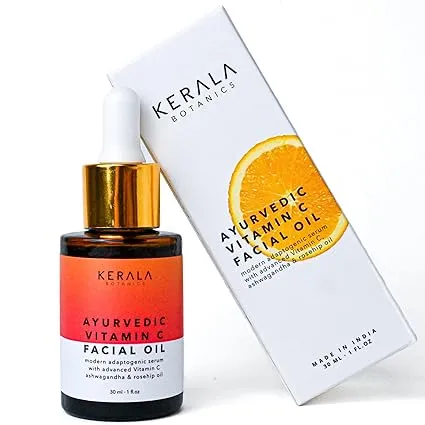
Ayurvedic Vitamin C Face Oil
Kerala Botanics
$49
★★★★☆
Is Zinc PCA Safe?
Yes. It’s well-tolerated across skin types, including sensitive skin. There’s no meaningful evidence of irritation at cosmetic concentrations, no photosensitivity risk, and it doesn’t interact badly with the actives most people are already using. Unlike some zinc salts (zinc sulfate, notably), zinc PCA doesn’t tend to dry or sting.
It’s also not going to tank your skin microbiome in the way some strong antimicrobials can — the antimicrobial effect is mild and targeted. If you want to understand more about how active ingredients interact with your skin’s bacterial ecosystem, the skin microbiome guide is a good reference.
Pregnant? Zinc PCA is generally considered safe topically, but worth checking the pregnancy-safe glow routine for a full picture of what’s considered cautious versus fine.
Putting It All Together
Zinc PCA is the ingredient oily skin needs to know about, full stop. It’s not magic. But it’s working at the root level — specifically at the enzyme that drives sebum production — rather than just blotting excess oil at the surface. That’s meaningfully different from what most “oil control” products are doing.
It won’t replace niacinamide (use both). It won’t clear hormonal acne on its own (you probably need more targeted help for that). And you need to give it time — six to eight weeks minimum before judging.
Where to start: look for it in K-beauty toners and essences, where it’s most commonly formulated at useful concentrations. The COSRX Oil-Free Lotion and the Paula’s Choice Pore-Reducing Toner are solid entry points. Pair with niacinamide if you want a real one-two punch on sebum.
Your T-zone will thank you. Eventually.