
Routines
At-Home Peels vs Professional: Where the Line Is
At-home peels vs professional peels: the acid, percentage, and pH limits that separate them, plus clear stop signals and the risks for deeper skin tones.
Disclosure — This article may contain affiliate links. We earn a small commission at no extra cost to you when you purchase through our links. This supports our ability to create independent, evidence-based skincare content.
Most peel disasters we hear about start with the same sentence: “It said 30%, so I figured it was fine.” Sometimes it is. Often it isn’t.
Here’s the short version. Home peels are built to be forgiving. Professional peels are built to be effective, and they rely on a trained person to manage the risk. This guide covers where that line sits, what the numbers on the label mean, what a clinic can do that you can’t, why deeper skin tones need extra caution, and the exact signs that mean stop.
What a peel actually does
A chemical peel uses acid to loosen the bonds between dead skin cells so they shed faster. Think of it like peeling wallpaper. A little steam and a gentle scrape lifts the top layer. Too much, and you take the plaster with it.
Peels are grouped by how deep they go:
- Superficial: works on the outermost layer (the epidermis). Glycolic, lactic, mandelic, and salicylic acids live here.
- Medium: reaches the upper part of the dermis, the layer below. Trichloroacetic acid (TCA) is the usual tool.
- Deep: reaches the lower dermis. Phenol is the classic example. This is a medical procedure, full stop.
Everything you can buy for home use is meant to stay in the superficial zone. That’s the line. Everything past it belongs in a clinic.
The numbers: percentage, pH, and why both matter
Percentage
Percentage is how much acid is in the bottle. Higher is not automatically better, but it does mean more exfoliation and more risk.
In the US, the FDA doesn’t set a hard cap on AHAs in cosmetics. The industry’s Cosmetic Ingredient Review panel, which most reputable brands follow, has landed on these guidelines:
- Glycolic and lactic acid, consumer use: 10% or less, with a pH of 3.5 or higher, in a formula that protects against sun sensitivity or comes with sunscreen directions.
- Glycolic and lactic acid, professional use: up to 30%, pH of 3.0 or higher, applied briefly under professional supervision.
- Salicylic acid: over-the-counter acne products top out at 2%. Clinic peels commonly use 20% to 30%.
- TCA: medium-depth peels typically run roughly 10% to 35%. Higher strengths are used for deeper work. Not a home product, ever.
If you see a “30% glycolic peel” or a “35% TCA kit” on a marketplace listing, that is professional-grade product sold to the public. Not a bargain. A hazard.
pH
pH is the sneaky half of the story. An acid only works when it’s in its “free” form, and the lower the pH, the more free acid you get. Picture two cups of coffee with the same amount of grounds. One is brewed strong, one weak. Same ingredient, very different punch.
That’s why a 10% glycolic at pH 4 can feel mild while a 10% at pH 3 stings hard. Many brands don’t print the pH, which makes the percentage alone a poor guide. Our pH of skincare explainer walks through how to think about it.
Why the label can mislead
Two products with the same percentage can behave very differently depending on pH, the other ingredients, and how long they sit on your face. “Buffered” or “gel” formulas often feel gentler. And “10%” doesn’t tell you how much of that acid is free and active.
The practical rule: judge a home acid by how your skin responds, not by the number on the bottle.
What home peels are good for
Used right, at-home acids are great. They handle dullness, rough texture, mild clogged pores, and the early stages of uneven tone. A low-strength product used a couple of nights a week does a lot over a few months.
Here are the ones we’d start with.
For an AHA: The Ordinary’s 7% glycolic toner is cheap and well-behaved. Start once a week. Our full glycolic acid guide covers frequency and layering.
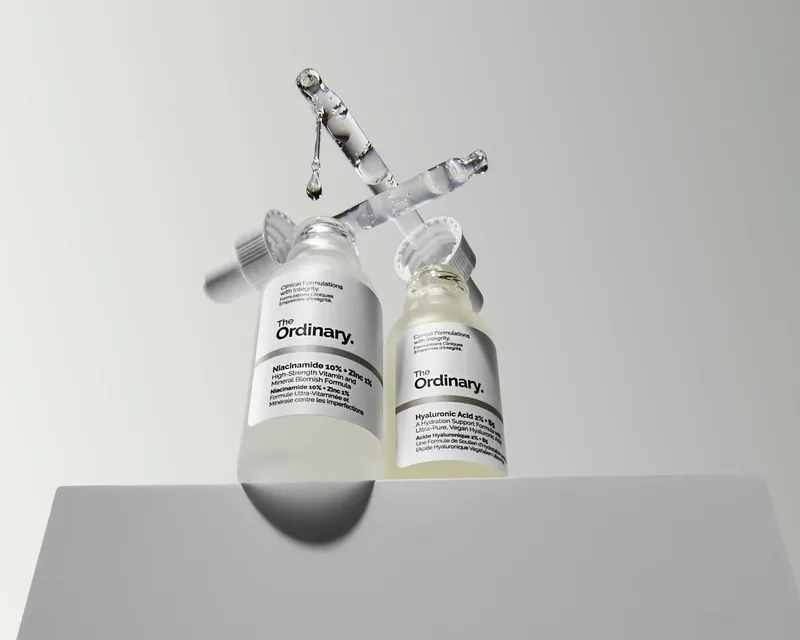
Glycolic Acid 7% Exfoliating Toner
The Ordinary
$10
★★★★☆
For a BHA: Salicylic acid is oil-soluble, so it gets inside pores. That makes it the pick for blackheads and congestion. Paula’s Choice 2% BHA is the one we keep coming back to.
Skin Perfecting 2% BHA Liquid Exfoliant
Paula's Choice
$35
★★★★½
For sensitive or deeper skin tones: Mandelic acid has bigger molecules, so it sinks in slowly and tends to irritate less. That’s why it’s the usual first pick for people prone to dark marks. See our mandelic acid guide for details.
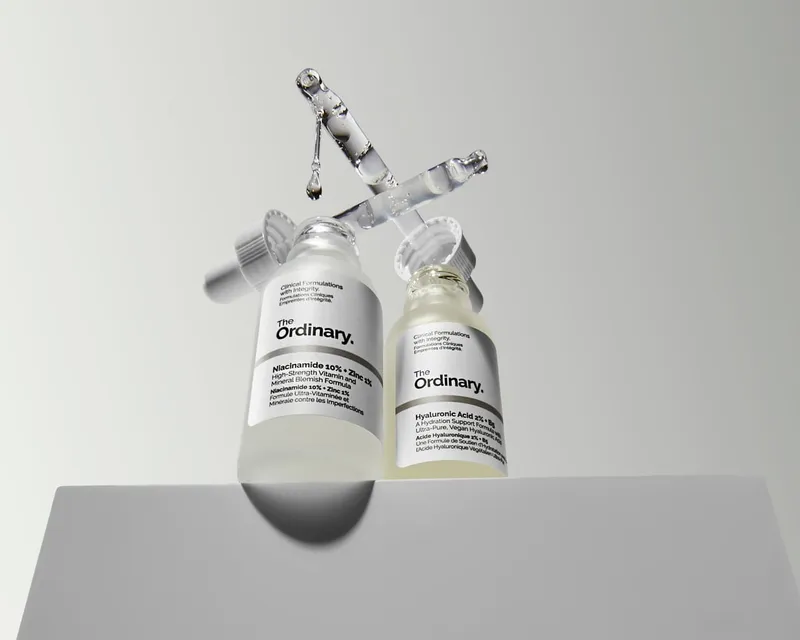
Mandelic Acid 10% + HA
The Ordinary
$10
★★★★☆
Whatever you pick, patch test first. Our patch testing guide takes five minutes to read and can save you a week of regret.
What a clinic can do that you can’t
This is the real gap. It’s not only stronger acid. It’s everything around the acid.
Higher strength, controlled depth
A trained provider can use 30% to 50% glycolic, 20% to 30% salicylic, Jessner’s solution (a blend of salicylic acid, lactic acid, and resorcinol), or TCA. They choose the strength based on your skin, and they apply it in layers so they can stop the moment they see the right response.
Skin prep
Good clinics don’t just slap acid on. They often prep skin for weeks beforehand with a retinoid, a brightener, or both. For people prone to dark marks, that prep is a big part of what makes a peel safe.
Neutralizing and timing
Glycolic acid keeps working until it’s rinsed off or neutralized. A professional times it by the minute, watches your skin’s response, and neutralizes at the right moment. At home, you’re guessing, usually while looking in a bathroom mirror with bad lighting.
Reading the skin in real time
With medium-depth peels, a clinician looks for specific visual cues, like how the skin “frosts” (turns white or gray) and how quickly. They know the difference between the intended response and a warning sign. You, on the other hand, are staring at your own face and trying to decide if that color is normal.
Aftercare and backup
Clinics can prescribe antivirals if you’re prone to cold sores, since peels can trigger outbreaks. They can manage infection, treat unexpected reactions, and follow up. Your bathroom cabinet can’t.
Deep peels need medical monitoring
Phenol peels can affect the heart and are done with monitoring, sometimes with sedation. This one isn’t a gray area. It is not a skincare step.
Quick comparison:
| At-home | Professional | |
|---|---|---|
| Typical depth | Superficial | Superficial to deep |
| Common acids | Glycolic, lactic, mandelic, salicylic | Higher-strength versions, plus TCA, Jessner’s, phenol |
| Glycolic strength | Up to about 10% | Up to about 30% or more |
| pH | Higher (gentler) | Lower (stronger) |
| Neutralizing | Rinse | Timed and neutralized |
| Downtime | None to minimal | Days to weeks |
| Supervision | You | Trained provider |
The deeper skin tone problem
This section matters most, so read it twice.
Deeper skin tones (roughly Fitzpatrick types IV to VI) have more reactive pigment cells. When skin is injured or inflamed, those cells can overproduce melanin, leaving dark patches that can take months, or longer, to fade. That’s post-inflammatory hyperpigmentation, or PIH. Our hyperpigmentation guide breaks it down.
A peel that goes deeper than intended is exactly the kind of injury that triggers it. And the deeper the peel, the higher the risk. Medium and deep peels carry a real chance of long-lasting dark marks. In the case of phenol, they can also cause loss of pigment, leaving pale patches that may not come back.
That doesn’t mean people with deeper skin can’t get peels. Superficial peels with salicylic acid, mandelic acid, or lower-strength glycolic are commonly done in these skin tones, ideally by a provider who has real experience with them. The key is the word “experienced.” Ask directly how many patients with your skin tone they treat, and whether they pre-treat skin before peeling.
For at-home use, the rules are simple:
- Start with mandelic acid or low-strength lactic.
- Go slower than the instructions say.
- Never layer acids with retinoids on the same night.
- Skip high-percentage “professional strength” products entirely.
- Wear sunscreen daily. UV exposure after a peel is what turns mild irritation into stubborn dark marks.
If you have melasma, skip peels until you’ve talked to a dermatologist. Heat and inflammation can set it off.
Sunscreen is part of the peel
Exfoliated skin is more vulnerable to UV. Skipping sunscreen after acid is like sanding a table and leaving it out in the rain.
EltaMD’s UV Clear is a solid daily choice. It’s lightweight, works under makeup, and is gentle on reactive skin. We’ve reviewed it here.
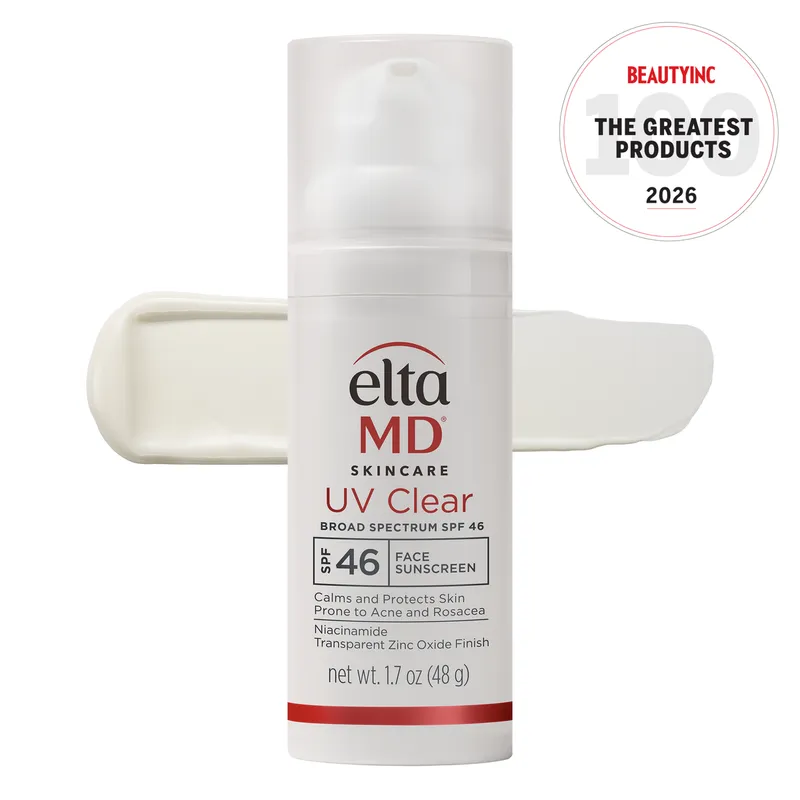
UV Clear Broad-Spectrum SPF 46
EltaMD
$43
★★★★½
Stop signals: when to rinse off and when to call someone
Learn these. They apply to home peels and to anything done in a clinic.
Rinse off right now if:
- Burning that builds. Mild tingling is normal. Heat or pain that gets worse is not.
- Skin turns white, gray, or ashy at home. Frosting is a deliberate endpoint in medium peels done by professionals. At home it means you’ve gone too far.
- Intense redness or swelling during application.
- Itching or hives, which can point to an allergic reaction.
Stop all actives and call a professional if:
- Blisters, weeping, or crusting appear.
- Skin looks shiny and feels tight days later, which signals a damaged barrier.
- Dark or ashy patches show up in the days afterward.
- Pain, swelling, or warmth keeps increasing instead of fading.
- Cold sore symptoms (tingling, small clustered bumps) appear. Peels can trigger outbreaks.
- Your usual moisturizer stings. That’s a barrier problem, not a product problem.
- Signs of infection: pus, spreading redness, fever.
Rough rule: if it’s still getting worse after 24 hours, or you’re asking yourself whether to go to urgent care, go. Our over-exfoliation guide lays out recovery steps for milder cases.
A sensible way to use both
You don’t have to choose a side. For most people, the smart setup looks like this:
- Use low-strength acids at home once or twice a week for maintenance.
- Book a professional peel once in a while if you want a bigger result, like faded marks or smoother texture.
- Pause home acids a week before an appointment, or as your provider directs.
- Follow the aftercare exactly. Gentle cleanser, plain moisturizer, sunscreen. Nothing fancy.
Putting it all together
Here’s the line, in plain terms:
- Home peels stay superficial. Think roughly 10% or less AHA, higher pH, 2% or less salicylic acid, and you set the pace.
- Professional peels use higher strengths, lower pH, controlled timing, and trained eyes. They can reach medium or deep layers, which home products should never attempt.
- Deeper skin tones face a higher risk of lasting dark marks from aggressive peels. Go gentle at home, and choose an experienced provider for anything stronger.
- Stop signals are not optional. Escalating burning, blisters, gray skin, or new dark patches mean rinse off and get help.
- Sunscreen is part of the treatment, not an add-on.
Our recommendation: start with a gentle acid like mandelic or low-strength glycolic, use it sparingly, and leave anything stronger to a clinic. A boring routine that you can actually keep up beats a dramatic peel that sidelines your skin for months. Worth every bit of patience.