
Routines
Skin Cycling in Summer: How Heat Changes the 4-Night Routine
Heat, sweat, and humidity shift what your skin needs. Here's how to adjust the 4-night skin cycling routine for summer without losing results.
Disclosure — This article may contain affiliate links. We earn a small commission at no extra cost to you when you purchase through our links. This supports our ability to create independent, evidence-based skincare content.
Skin cycling works. The original 4-night structure — exfoliation, retinol, two recovery nights, repeat — gives skin a rhythm it can actually follow. But the routine was designed in a temperature-controlled room, probably in October. Summer is a different environment entirely.
Sweat changes how actives absorb. Humidity affects how much barrier support skin actually needs. UV exposure makes the stakes on exfoliation night higher. None of this means abandoning the framework. It means adjusting it, the same way you’d adjust any routine when the context shifts.
Here’s what changes and what doesn’t.
Why Summer Specifically Matters for Skin Cycling
The core logic of skin cycling is strategic recovery. You use actives on specific nights and then give your barrier time to repair before you hit it again. That balance is what makes the method gentler than applying retinol or acids every night.
In summer, two things disrupt that balance.
First, sun exposure accelerates skin turnover and increases baseline inflammation. A skin that’s been in the sun all day is more sensitized than one that’s been indoors — meaning it’s more reactive to acids and retinoids than it would be on an equivalent November night.
Second, sweat and humidity alter the skin’s surface environment. Humid air reduces transepidermal water loss, which sounds good but actually makes the skin’s surface slightly more permeable. Actives absorb faster and sometimes more aggressively than intended. The same 0.1% retinol that felt fine in February can feel like too much in July.
Neither of these is a reason to quit. They’re reasons to calibrate.
Night One: Exfoliation — Pull Back the Concentration
Exfoliation night stays in the rotation. What changes is the strength and the format.
If you’ve been using a high-percentage glycolic or lactic acid toner, summer is a good time to drop one tier. A 7% glycolic where you were using 10%. A PHA formula instead of an AHA if your skin has been running reactive. The goal on exfoliation night is cell turnover, not a full reset — and in summer, the sun is already doing some of that work for you.
The other thing to watch: timing. If you spent the afternoon in the sun, your barrier took a hit from UV even if you wore SPF. Layering an exfoliant on top of that in the same evening compounds the stress. When that’s the case, either push exfoliation night back by one day or use a very mild formula. The cycle doesn’t have to be a rigid 4-count — it’s a framework, not a timer.
For chemical vs. physical exfoliation choices, summer almost always favors chemical. Physical scrubs plus summer sweat plus a slightly more sensitive barrier is a combination that tends to go wrong.

The Ordinary Glycolic Acid 7% Toning Solution
The Ordinary
$12
★★★★☆
Night Two: Retinol — Consider Dropping a Strength
Retinol night is where most people run into trouble in summer, and it’s usually not dramatic. It’s just a low-grade increase in redness that they attribute to the wrong thing.
Here’s the actual issue: retinoids make skin more photosensitive. You’re already applying them at night, so that part is fine. But if your daytime sun protection isn’t airtight, you’re stacking sensitization on top of sensitization. The retinol night works fine in isolation — the problem shows up the next morning when you step outside.
Two adjustments worth making:
Drop one strength level for the season. If you use a 0.5% retinol, try 0.25% from June through August. If you’re on tretinoin, this is worth a conversation with a derm — but many people buffer more heavily in summer (applying over moisturizer) even when they keep the same prescription. Read more about navigating retinol alternatives if you want to step back further without losing progress.
Check your morning SPF routine. Not just whether you wear sunscreen, but how much you’re applying and whether you’re reapplying mid-day. The retinol isn’t the variable you can control once it’s on your skin. The morning protection is.
If retinol has been feeling genuinely irritating and you want to take a full summer break from it, bakuchiol is a real option — slower, gentler, and without the photosensitivity concern. The algae retinol vs. bakuchiol vs. retinol comparison is worth reading if you’re weighing that swap.
One oil that handles both the treatment and recovery layers in one step is the Kerala Botanics Ayurvedic Vitamin C Face Oil. It pairs an advanced, oil-soluble vitamin C with bakuchiol, so on retinol-alternative nights it covers brightening and gentle cell renewal without acid or retinoid load. The format is an oil, which suits the recovery-leaning nights in summer better than a water-based serum for some skin types. That said — if your skin runs oily or you live somewhere genuinely humid, an oil layered into a hot night can feel like too much. It’s a genuine consideration. For drier or combination skin in the cycling context, it works well as a multi-use step that simplifies the routine without pulling back on results.
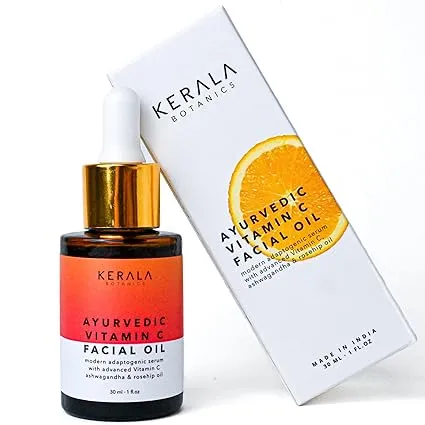
Ayurvedic Vitamin C Face Oil
Kerala Botanics
$49
★★★★☆
Nights Three and Four: Recovery — Lighten the Texture
Recovery nights don’t need heavy emollients in summer. That’s probably the single most impactful adjustment in this season.
In winter, barrier repair often means a thick ceramide cream or an occlusive layer. The skin is dry, transepidermal water loss is high, and you need to seal things in. In July, you’re not losing moisture the same way. The air is doing some of the work, sweat is contributing surface hydration, and a heavy cream on top of all that can tip into congestion — especially if you’re prone to it.
Recovery night texture should shift toward:
- Gel-cream or light lotion formats instead of thick creams
- Humectant-forward products (hyaluronic acid, polyglutamic acid, beta-glucan) rather than heavy occlusives
- Fewer layers, not more
The barrier-adaptive moisturizers guide covers this well — the concept of matching barrier support to actual barrier need, not just defaulting to richer when in doubt. Summer skin usually needs less occlusion, more hydration.
If your skin is on the drier side and you do still need a decent amount of barrier support, a ceramide moisturizer in a lighter formula still works well. The goal is ceramide delivery without the weight.
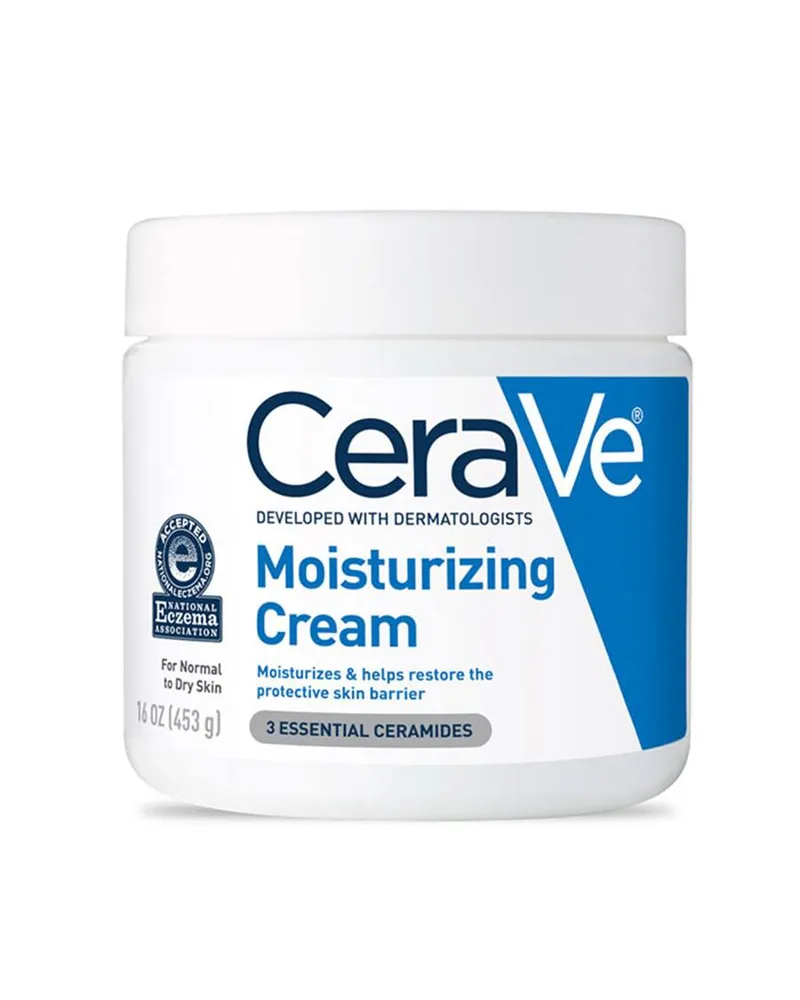
CeraVe Moisturizing Cream
CeraVe
$19
★★★★½
The Morning After: SPF Is Not Optional
This applies year-round, but in summer it carries more consequence. Every night in the skin cycling rotation increases photosensitivity to some degree — exfoliation more so, retinol more so, and even recovery nights where the skin is actively repairing.
A broad-spectrum SPF 50 minimum is the rule. Not SPF 30 “when it’s cloudy.” Not a foundation with SPF 15. An actual sunscreen, applied to the right amount.
The La Roche-Posay Anthelios Melt-In SPF 60 remains one of the most reliable daily options for anyone doing active cycling. It’s not greasy, plays well under makeup, and doesn’t pill over serums. The texture is light enough for humid summers without sacrificing the level of protection that makes everything else in the rotation safe to use.
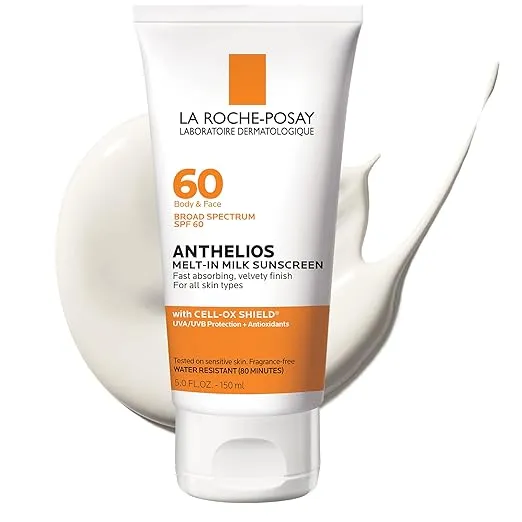
La Roche-Posay Anthelios Melt-In Sunscreen SPF 60
La Roche-Posay
$36
★★★★½
What Doesn’t Change
The structure stays the same: one exfoliation night, one retinol (or retinol-alternative) night, two recovery nights. That pattern exists for a good reason, and summer doesn’t break it.
The principle of listening to your skin over following a strict schedule also doesn’t change. If your skin had a rough beach weekend and shows up inflamed on Sunday, skip the exfoliation night you had planned. Push recovery. Come back to the cycle when it makes sense. The method isn’t meant to be rigid — that’s actually part of why it works.
And the SPF rule doesn’t change. It gets more important.
A Summer-Adjusted 4-Night Snapshot
- Night 1 (Exfoliation): Mild AHA or PHA. Drop one concentration from your off-season norm. Skip entirely if you had significant sun exposure that day.
- Night 2 (Retinol): One step lighter on concentration, or use a bakuchiol alternative for the season. Apply over moisturizer if you’re buffering. Non-negotiable: SPF the next morning.
- Night 3 (Recovery): Humectant serum, light ceramide moisturizer. Skip the thick occlusive unless your skin is genuinely compromised.
- Night 4 (Recovery): Same as night three. Can add a soothing ingredient like centella or beta-glucan if skin has been reactive.
Putting It Together
The 4-night skin cycling framework survives summer fine. What needs to adjust is the intensity on active nights and the texture on recovery nights. Heat and humidity aren’t reasons to abandon the rotation — they’re just context that changes what “the right amount” looks like.
Lighter exfoliation. Gentler retinol. Fewer heavy layers at night. More SPF in the morning.
That’s really the whole adjustment. The cycle still works — it just works better when you’re not fighting the season.