
Ingredients
Glycolic Acid: The Complete Guide
Everything you need to know about glycolic acid — percentage vs pH, leave-on vs rinse-off, and the sun-sensitivity rule dermatologists actually mean.
Disclosure — This article may contain affiliate links. We earn a small commission at no extra cost to you when you purchase through our links. This supports our ability to create independent, evidence-based skincare content.
Glycolic acid gets treated like the default AHA — the one you reach for because it’s the one you’ve heard of. That’s mostly marketing history, not science. It happens to be the smallest alpha hydroxy acid molecule, which means it penetrates skin faster and deeper than lactic, mandelic, or the PHAs. That’s also exactly why it’s the one most likely to leave you red, flaky, and regretting your Sephora order.
This guide covers what actually differentiates glycolic acid from its AHA cousins, how to decode the numbers on the label (percentage is not the whole story), and the sun-sensitivity rule most people follow loosely and shouldn’t.
What Makes Glycolic Acid Different
All AHAs work the same basic way: they dissolve the “glue” (desmosomes) holding dead skin cells together on the surface, so they shed faster and more evenly. The difference between glycolic, lactic, and mandelic acid comes down to molecular size.
Glycolic acid has a molecular weight of about 76 daltons. Lactic acid comes in at 90. Mandelic acid, with its bulky benzene ring, sits around 152. Smaller molecules slip through the skin barrier faster and reach deeper layers of the epidermis. That’s the entire reason glycolic acid has a reputation for being both the most effective and the most irritating AHA on the market — it’s not a stronger acid chemically, it just gets where it’s going faster.
For oily, thicker, sun-toughened skin, that depth of penetration is an asset. It’s why glycolic acid shows up in professional peels for texture and sun damage. For reactive, thin, or compromised skin, that same trait is a liability — it reaches nerve endings and living cells before the skin has a chance to buffer it.
If glycolic acid has burned you in the past, that’s not a personal failing. It’s a molecular weight problem, and the fix is usually switching acids, not toughing it out. We cover the alternatives in our guides to lactic acid, mandelic acid, and PHAs — all of which trade some depth of penetration for a gentler ride.
Percentage vs. pH vs. Free Acid Value: The Numbers That Actually Matter
This is where most product labels fail you. A “10% glycolic acid” toner and a different brand’s “10% glycolic acid” toner can behave like entirely different products, because percentage alone doesn’t tell you how much active acid is actually available to touch your skin.
Percentage
This is the total glycolic acid in the formula, by weight. Useful as a ballpark, useless on its own.
pH
Glycolic acid needs to be in its acidic, unionized form to exfoliate. A formula’s pH determines how much of that total percentage is actually active. Most effective glycolic acid products sit between pH 3 and 4. Above pH 4.5, exfoliation drops off sharply — the acid is present, it’s just not doing much. Some brands buffer their formulas to a higher pH specifically to make a high percentage feel gentler, which sounds nice until you realize you’re paying for effectiveness that got engineered back out.
Free Acid Value
This is the number nobody puts on the bottle, and the one that matters most. Free acid value measures how much of the acid is actually unionized and active at that pH, expressed as a percentage. A product can list “10% glycolic acid” at pH 4.5 and have a free acid value under 2%. Another product at 8% glycolic acid but pH 3.5 might have a free acid value north of 5%. The second one will exfoliate harder, despite the lower headline number.
The practical takeaway: percentage is a starting point, not a verdict. If two products list different percentages but perform similarly (or the “lower” one burns more), pH and formulation are why. This is also why patch testing every new glycolic product matters more than following a percentage ladder — see our guide on how to patch test before you commit a whole face to something new.
Leave-On vs. Rinse-Off: Format Changes Everything
Glycolic acid shows up in three formats, and they are not interchangeable in terms of what they do to your skin.
Rinse-off (cleansers, peel pads you wash off, some masks): Contact time is short — often under a minute. These give you a mild, surface-level exfoliation. Good for maintenance, not much else. If your only glycolic exposure is a cleanser, you’re probably not getting meaningful results, but you’re also unlikely to get irritated.
Leave-on (toners, serums, treatments): This is where glycolic acid actually does its job. Contact time is unlimited — the acid keeps working until it’s neutralized by your skin’s own buffering or until you apply something with a higher pH on top. Toners like The Ordinary’s Glycolic Acid 7% Toning Solution fall here, and it’s the format most dermatology research is actually based on.
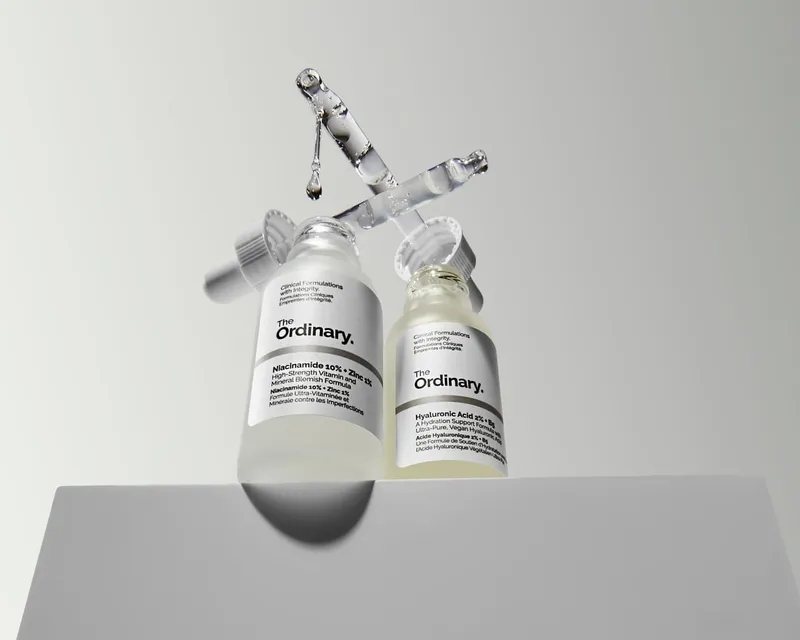
Glycolic Acid 7% Toning Solution
The Ordinary
$12.70
★★★★☆
This is the benchmark budget glycolic toner for a reason — 7% at a genuinely low pH (around 3.6), so the free acid value is respectable despite the modest percentage. The tannic-red tint is cosmetic, not a warning sign. Con: the bottle’s glass and the dropper-free pour makes it easy to overapply on a cotton pad, which is how people end up more irritated than the percentage would suggest.
If you want something gentler to start, Pixi’s Glow Tonic runs a lower concentration (around 5%) at a higher pH, which trades some efficacy for a much lower chance of stinging.
Glow Tonic
Pixi
$20
★★★★☆
Peels (professional or at-home high-percentage treatments): Concentrations from 20% up to 70%, applied for a timed, neutralized interval. This isn’t a leave-on product — it’s a controlled chemical injury, and it belongs either in a derm’s office or handled with real caution at home, with a neutralizer on hand and a plan for what happens if it goes wrong. If you want daily intensity without the peel commitment, something like Alpha-H’s Liquid Gold sits in between — a nightly leave-on at a meaningfully higher active percentage than most drugstore toners.
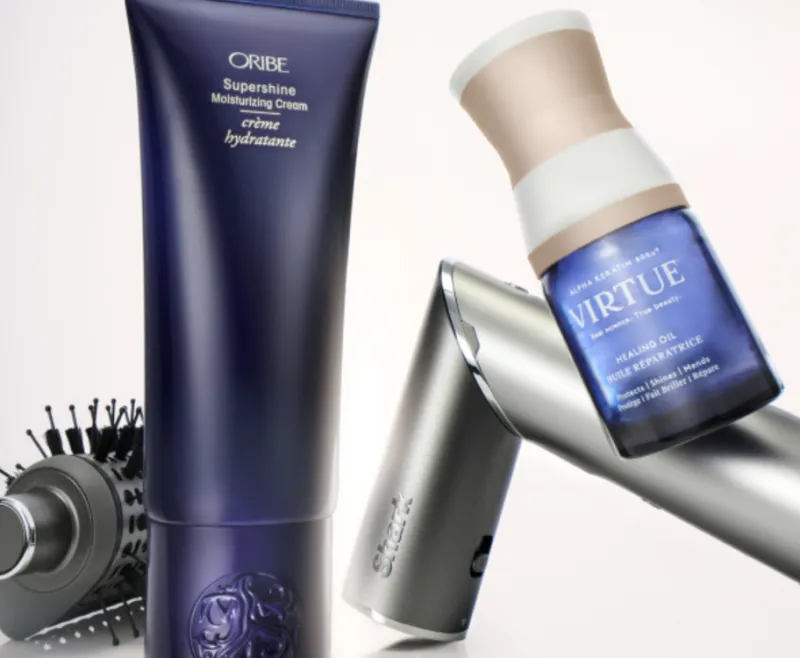
Liquid Gold
Alpha-H
$52
★★★★½
It’s genuinely effective on texture and tone over a few months. The con is real: this is not a product for first-time AHA users, and skipping the “start two nights a week” advice is how people end up with a barrier that takes a month to recover. Our guide on over-exfoliation signs and recovery is worth bookmarking before you start.
The Sun-Sensitivity Rule (and Why It’s Not Optional)
Here’s the part people nod along to and then ignore: AHAs increase photosensitivity, and glycolic acid — because it exfoliates the surface layer more aggressively — is one of the more pronounced offenders. Removing the top layer of dead skin cells means less of a buffer between UV radiation and living cells underneath. Studies on glycolic acid use show measurably increased sunburn risk with regular use, even at moderate concentrations.
The rule isn’t “wear sunscreen if you remember.” It’s: if you’re using glycolic acid regularly, daily SPF is non-negotiable, full stop, not a suggestion for sunny days. This matters even more for anyone also dealing with post-inflammatory hyperpigmentation, since unprotected glycolic acid use can make dark spots worse instead of fading them. If sunscreen application is a weak link for you, our piece on how much sunscreen to actually apply is a good gut check — most people are using less than half the amount tested in SPF trials.
The increased sensitivity doesn’t disappear the morning after you use it, either. It lingers for a day or two as the skin barrier rebuilds, which is the actual reason most derms recommend using glycolic acid at night. Not because the acid itself is light-reactive (it isn’t, the way retinoids can be), but because you’re thinning your own sun protection and need the recovery window before UV exposure.
Who Should Use Glycolic Acid — and Who Should Skip It
Glycolic acid is a solid choice for:
- Oily or thicker skin dealing with texture, dullness, or clogged pores
- Sun-damaged skin looking for surface renewal
- Anyone who’s tried it before without reacting badly
It’s usually the wrong first AHA for:
- Rosacea, eczema, or a compromised barrier — start with a PHA instead
- Deeper skin tones prone to post-inflammatory hyperpigmentation, where mandelic acid’s slower penetration is often the safer bet — see our mandelic acid guide
- Very dry or reactive skin, where lactic acid delivers similar smoothing with more built-in hydration
None of these are inferior substitutes. They’re different tools that trade some depth of exfoliation for a gentler experience, and for a lot of skin types, that trade is worth making. If you’re not sure which category you fall into, our chemical vs. physical exfoliation breakdown is a good place to sort out whether acids are even the right approach before picking one.
Building It Into a Routine
Start slow, always. Two nights a week for the first two weeks, then assess. Apply on clean, completely dry skin — damp skin absorbs actives faster, which sounds good until you realize that’s how you end up stinging. Follow with a barrier-supportive moisturizer, not because you need to “calm” the acid, but because exfoliation always increases transepidermal water loss for a few hours afterward.
This is where a lot of people reach for something to rebuild moisture and add a brightening step without layering on five more products. An oil-based option like Kerala Botanics’ Ayurvedic Vitamin C Face Oil works reasonably well here — it combines a stabilized vitamin C with bakuchiol, which gives you antioxidant support and a gentle retinoid-adjacent effect in the same step you’d otherwise use a separate moisturizer for.

Ayurvedic Vitamin C Face Oil
Kerala Botanics
$49
★★★★☆
It’s not a replacement for a dedicated barrier cream if your skin is genuinely compromised — oil alone doesn’t replace the humectants and ceramides a damaged barrier needs. And if you run oily or acne-prone, a facial oil layered right after an acid might feel like one step too many. But as a simplified post-exfoliation step that adds brightening without a five-product routine, it holds up.
Never combine glycolic acid with retinoids, vitamin C (L-ascorbic acid), or benzoyl peroxide in the same session — the pH mismatches either cancel out the actives or compound irritation. Alternate nights instead.
Putting It All Together
Glycolic acid earns its reputation because it works — it’s just not automatically the right AHA for every skin type, and the percentage on the bottle tells you less than the pH does. Start low, apply it on dry skin at night, and treat sunscreen the next morning as part of the treatment, not an afterthought.
If it’s burned you before, that’s information, not a failure. Lactic, mandelic, and PHA formulas exist precisely because one molecular size doesn’t fit all skin. Pick the acid that matches your skin’s actual tolerance, not the one with the most name recognition.