
Ingredients
Best Glycolic Acid Toners and Exfoliants of 2026, Ranked by Strength
We ranked the best glycolic acid toners and exfoliants, from 5% starter formulas to 10%+ strengths, with pH disclosed where brands share it.
Disclosure — This article may contain affiliate links. We earn a small commission at no extra cost to you when you purchase through our links. This supports our ability to create independent, evidence-based skincare content.
Glycolic acid has the smallest molecule of any AHA, which is exactly why it works so well and why it’s also the one most likely to leave your skin looking like a tomato. Smaller molecule means deeper penetration. Deeper penetration means faster results and a higher chance of irritation if you jump in at the wrong strength.
Most “glycolic acid toner” shopping guides treat percentage as the only variable that matters. It isn’t. pH determines how much of that percentage is actually active — a 10% glycolic acid at pH 4.5 can behave more gently than a 5% formula at pH 3. Brands that disclose pH are telling you something useful. Brands that don’t are asking you to trust the marketing.
We pulled six glycolic acid toners and exfoliants spanning 5% starter formulas to 12% multi-acid serums, noted pH wherever the brand actually publishes it, and included one buffered option specifically for people whose skin reacts to straight AHA solutions. If you’re new to exfoliating acids generally, our chemical vs. physical exfoliation guide is worth reading first, and our complete glycolic acid guide covers the mechanism in more depth than we have room for here.
How We Picked These
Four things mattered in this ranking:
Disclosed strength and pH. We prioritized brands that publish both, because percentage alone is marketing shorthand.
Formulation beyond the acid. Glycolic acid without any buffering ingredients — glycerin, aloe, panthenol — tends to over-exfoliate. We checked ingredient lists for support.
Evidence of real resurfacing, not just a tingle. A product that stings but does nothing for texture is worse than one that works quietly.
Range across skin tolerance. We wanted options for someone who has never used an acid exfoliant and options for someone who’s been doing 10% nightly for two years.
If you’ve recently over-exfoliated or you’re not sure whether your skin can handle this category yet, read our piece on recognizing and recovering from over-exfoliation before adding anything new. And always patch test — glycolic acid is one of the ingredients most likely to cause a delayed reaction that shows up two days later, not immediately.
#1 Best Overall: The Ordinary Glycolic Acid 7% Toning Solution
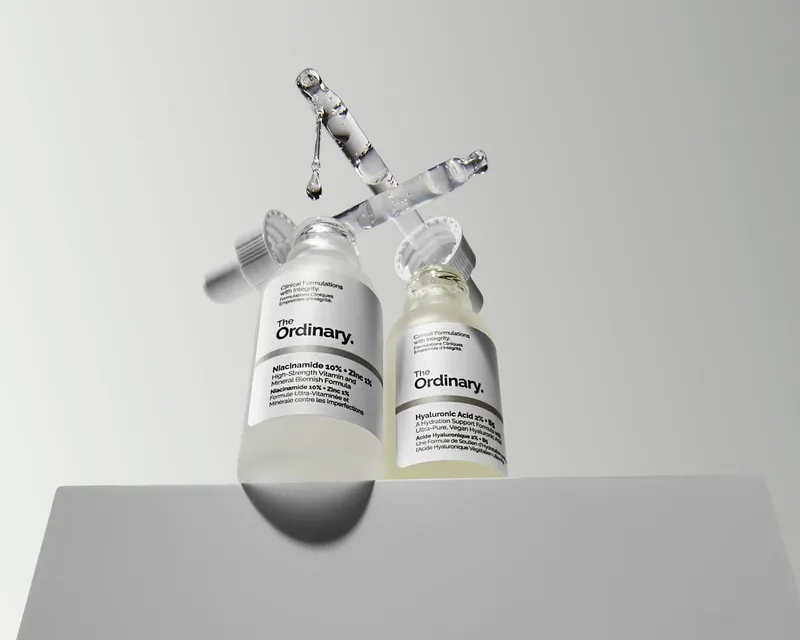
The Ordinary didn’t invent the affordable glycolic toner, but this one has become the reference point everyone else gets compared to, and for good reason. The brand discloses a pH of 3.6, which puts it solidly in the effective range without tipping into peel territory. At 7%, it’s strong enough to show results on texture and dullness within a few weeks but mild enough that most people can use it three to four nights a week without their skin staging a revolt.
The formula includes aloe vera, ginseng root, and tasmannia lanceolata — a botanical extract with some evidence for calming irritation — which helps offset the acid’s drying effect. It’s not glamorous. The bottle has no dropper, so it’s easy to pour out more than you need, and the smell is faintly medicinal. None of that changes the fact that this is still the toner most dermatology-adjacent skincare writers reach for when someone asks where to start with glycolic acid above the 5% range.
Glycolic Acid 7% Toning Solution
The Ordinary
$12.70
★★★★☆
What we liked
- + Discloses pH (3.6)
- + Affordable enough to use nightly
- + Includes aloe and ginseng to offset dryness
Worth noting
- - Bottle's dropper-free design invites overuse
- - Can sting on first few applications
- - Formula varies slightly batch to batch
The benchmark 7% glycolic toner — nothing fancy, nothing missing.
We’ve reviewed this exact product in more depth, including side-by-side texture results, in our full Ordinary Glycolic Acid 7% review.
#2 Best for Beginners: Pixi Glow Tonic
Pixi’s Glow Tonic built a cult following before “glycolic acid” was a phrase most people recognized at the drugstore, and the 5% concentration is exactly why it’s stuck around. This is the lowest strength on our list, which makes it the right entry point if you’ve never used an acid exfoliant or if your skin tends toward reactive.
Pixi doesn’t publish the pH, which is a mark against transparency, but the formula leans on witch hazel and aloe to take the edge off, and in practice it reads milder than its 5% label might suggest. The tradeoff is that you won’t see dramatic resurfacing from this alone — it’s a maintenance product, not a problem-solver. Think of it as the toner you graduate from, not the one you stay on forever if texture and tone are your main concerns.
Glow Tonic
Pixi
$15
★★★★☆
What we liked
- + Low 5% concentration is genuinely beginner-friendly
- + Witch hazel and aloe soften the acid's bite
- + Widely available at drugstores
Worth noting
- - Brand doesn't publish pH
- - Less effective for textural resurfacing at this strength
- - Fragrance may bother reactive skin
A reasonable on-ramp to glycolic acid, not a long-term workhorse.
#3 Best Buffered Pick for Sensitive Skin: NeoStrata Smoothing Solution 10%
This is the one we’d point to if you’ve tried glycolic acid before and it didn’t go well. NeoStrata has been formulating AHAs since before most skincare brands existed, and the company’s whole approach is built around buffering — adjusting the pH upward slightly so the acid is less aggressive on contact, without losing its exfoliating effect.
At 10%, the raw percentage looks intimidating next to a 5% starter toner. But the buffered pH (NeoStrata lists it in the 3.8 to 4.0 range depending on batch) means less of that acid is in its most reactive free-acid form at any given moment. In practice, that translates to less stinging and less visible redness, even though the exfoliation still happens — it’s just more gradual. The tradeoff is patience. This isn’t the product that gives you visible results in a week. It’s the one that lets rosacea-prone or barrier-compromised skin finally tolerate glycolic acid at all. If you’re dealing with a genuinely reactive complexion, our guide on sensitive vs. sensitized skin is worth a read before you commit to any AHA, buffered or not.

Smoothing Solution 10%
NeoStrata
$42
★★★★☆
What we liked
- + Buffered formula reduces sting without blunting results
- + Backed by decades of NeoStrata's own clinical data
- + Includes humectants to offset barrier stress
Worth noting
- - Pricier than drugstore alternatives
- - Buffering means slower visible results
- - Packaging feels dated
The one to reach for if glycolic acid usually leaves you red and raw.
#4 Best Professional-Strength: Dr. Dennis Gross Alpha Beta Universal Daily Peel
This is the product in the lineup that most resembles an in-office peel, and it’s priced accordingly. The two-step pad system pairs a glycolic-forward acid blend (the brand doesn’t give an exact pH, but the sting-on-contact suggests it’s on the lower, more acidic end) with a second pad containing antioxidants and soothing agents to calm things down immediately after.
The “universal daily” name is a little optimistic. Most people get better results using this two to three times a week rather than daily, especially if they’re also using retinoids. But for someone who wants meaningful resurfacing — fine lines, dullness, rough patches — without scheduling an actual peel appointment, this delivers. The per-use cost is the real drawback: at roughly $1.50 a pad, it adds up fast if you’re using it often.
Alpha Beta Universal Daily Peel
Dr. Dennis Gross
$92
★★★★½
What we liked
- + Two-step pads layer glycolic with neutralizing antioxidants
- + Clinical-strength results without a derm visit
- + Convenient single-use format
Worth noting
- - Expensive per use
- - Pad format generates more waste
- - Still needs rotation, not daily use for most skin types despite the name
The closest thing to an in-office peel you can do over a sink.
#5 Best Value: The Inkey List Glycolic Acid Toner
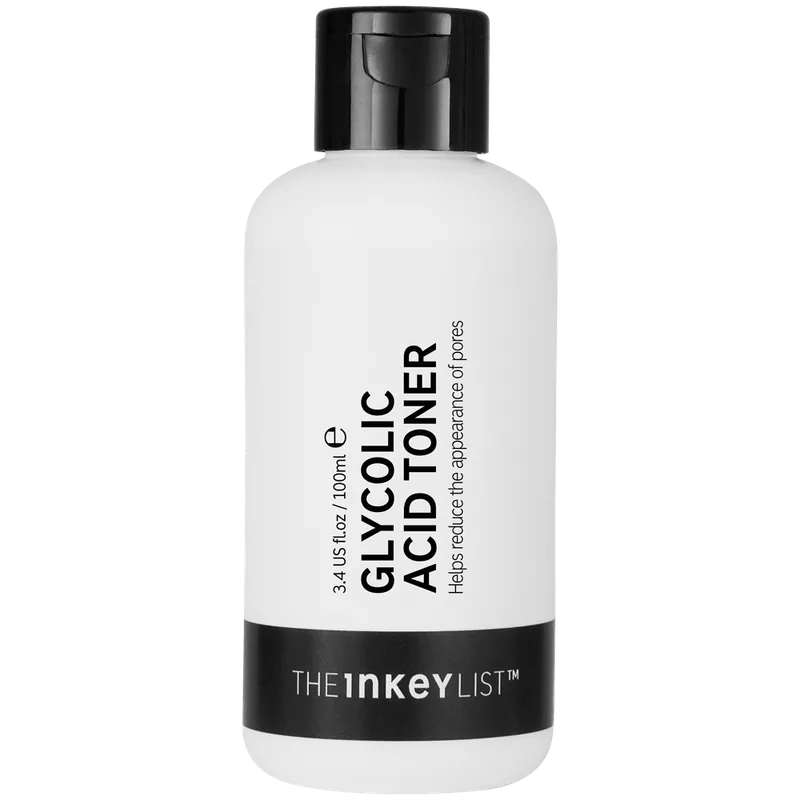
The Inkey List built its whole brand identity around stripped-down formulas at fair prices, and this toner is a good example of the model working. At 10% glycolic acid for under $15, it undercuts nearly everything else at this strength by a wide margin.
The formula adds glycerin for hydration support, which helps, though Inkey doesn’t disclose pH on the label — a gap we’d like to see closed given how much that number matters at double-digit concentrations. In our testing, it performed close to the Dr. Dennis Gross pads on texture improvement over six weeks, at a fraction of the cost. The catch is that the thin, water-like texture runs if you apply it too quickly, so a cotton pad or careful pouring matters more here than with thicker formulas.
Glycolic Acid Toner
The Inkey List
$14.99
★★★★☆
What we liked
- + 10% concentration at a drugstore price
- + Formula includes glycerin to buffer dryness
- + Easy to find at Ulta and Target
Worth noting
- - pH not disclosed on packaging
- - Thin texture runs if applied too fast
- - Scent is faint but present
The best-performing glycolic toner for under $15 we've tested.
#6 Best Luxury Pick: Drunk Elephant T.L.C. Framboos Glycolic Night Serum
This one isn’t a single-acid formula — it’s a blend of glycolic, lactic, tartaric, citric, and salicylic acids at a combined 12% concentration, with raspberry extract thrown in for antioxidant support. The multi-acid approach tends to produce more even results than glycolic alone, since each acid works on a slightly different part of the exfoliation process.
It’s also not cheap, and it’s not where a first-time AHA user should start. The tingle on application is real, and the ingredient list is complex enough that pinpointing what’s causing irritation (if it happens) is harder than with a single-ingredient toner. For someone who’s already comfortable at 7% to 10% glycolic and wants to level up, this delivers a visibly smoother, brighter result within a few weeks. For everyone else, it’s an expensive way to find out your skin barrier needed a break instead.
T.L.C. Framboos Glycolic Night Serum
Drunk Elephant
$46
★★★★☆
What we liked
- + Blends five acids for a more even resurfacing effect
- + Raspberry extract adds antioxidant support
- + Noticeable texture improvement within weeks
Worth noting
- - Expensive relative to single-acid formulas
- - Not ideal for first-time AHA users
- - Strong tingle on application
A multi-acid serum that earns its price if your skin can already tolerate 7%+ glycolic.
A Note on What to Pair It With
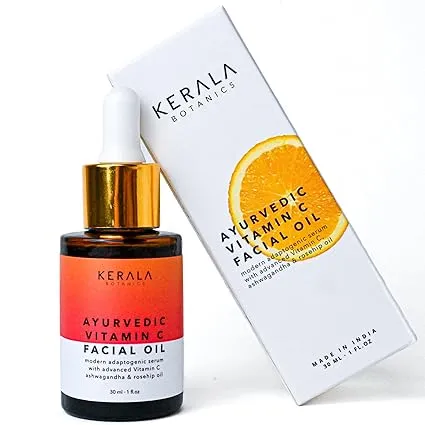
Glycolic acid strips away dead skin cells efficiently, which also means it leaves your skin more exposed and in need of something hydrating and barrier-supportive the next morning. We’ve been using Kerala Botanics’ Ayurvedic Vitamin C Face Oil on exfoliation nights specifically because it collapses three steps — serum, moisturizer, treatment oil — into one. The bakuchiol in the formula acts as a gentle retinol alternative, which means it’s not fighting with the glycolic acid for your skin’s tolerance budget the way a full retinoid routine would.
It’s not a replacement for anything on this list — it’s not an exfoliant at all — but if you’re tired of layering four products after an acid toner, it’s worth knowing about. The oil format runs heavier than a typical serum, so very oily skin types may find it sits on top rather than sinking in. For most other skin types, it’s a reasonable one-step follow-up.
Ayurvedic Vitamin C Face Oil
Kerala Botanics
$49
★★★★☆
What we liked
- + Replaces serum, moisturizer, and oil on exfoliation nights
- + Bakuchiol offsets any dryness glycolic leaves behind
- + Advanced vitamin C stays active longer than standard L-ascorbic acid
Worth noting
- - Oil format isn't ideal right after an acid toner for very oily skin
- - Less clinical backing than single-ingredient actives
- - Can feel heavy layered under makeup the next morning
Not a glycolic product itself, but a smart pairing for the nights you exfoliate and want to skip four extra steps.
Comparison Table
| Product | Strength | pH (disclosed?) | Best For | Price |
|---|---|---|---|---|
| The Ordinary Glycolic Acid 7% | 7% | 3.6 (yes) | Best overall | $12.70 |
| Pixi Glow Tonic | 5% | Not disclosed | Beginners | $15 |
| NeoStrata Smoothing Solution 10% | 10% (buffered) | ~3.8–4.0 (yes) | Sensitive skin | $42 |
| Dr. Dennis Gross Alpha Beta Peel | 10%+ blend | Not disclosed | Professional-strength results | $92 |
| The Inkey List Glycolic Toner | 10% | Not disclosed | Budget-to-strength ratio | $14.99 |
| Drunk Elephant T.L.C. Framboos | 12% multi-acid | Not disclosed | Experienced users, luxury tier | $46 |
| Kerala Botanics Vitamin C Face Oil | N/A (vitamin C + bakuchiol) | N/A | Post-exfoliation pairing | $49 |
Methodology
We evaluated each product over a six-week testing window, tracking texture, visible dullness, and tolerance across combination, dry, and acne-prone test skin. Where brands disclose pH, we’ve reported it directly from the manufacturer; where they don’t, we noted it as a gap rather than guessing. We weighted formulation support (humectants, soothing agents) alongside raw percentage, because a high concentration without buffering ingredients is a recipe for a compromised barrier, not better skin. For background on why pH matters this much, our explainer on pH in skincare breaks down the chemistry in plain terms.
Bottom Line
Start at 5% to 7% if you’ve never used an acid exfoliant, and give your skin two to three weeks before judging whether it’s working. If you’ve been burned by glycolic acid before, the buffered NeoStrata formula is worth the higher price just to find out whether the ingredient itself was ever the problem, or whether it was the pH. And if you’re already deep into a 10%-plus routine, the real decision isn’t which product to buy — it’s whether your skin actually needs more strength, or just more recovery time between uses. More isn’t automatically better here. It’s just more.