
Routines
Sensitive Skin or Sensitized Skin?
Sensitive skin is genetic. Sensitized skin is damage you can undo. A self-assessment and recovery timeline to tell them apart and fix what's fixable.
Disclosure — This article may contain affiliate links. We earn a small commission at no extra cost to you when you purchase through our links. This supports our ability to create independent, evidence-based skincare content.
Here’s the question that matters more than any ingredient list: were you born this way, or did your routine do this to you?
Those are two completely different problems. One is a skin type you manage for life. The other is damage, usually self-inflicted through acids, retinoids, or too much exfoliation stacked on top of each other, and it’s almost always reversible. Confusing the two is how people end up on a cycle of buying “calming” products that never actually calm anything, because they’re treating a wound like it’s a personality trait.
This works the same way as the distinction we made in dehydrated vs. dry skin — one word describes who you are, the other describes a temporary state. Sensitive and sensitized follow the same logic.
The Difference That Matters
Sensitive skin is a type. It’s often genetic, shows up early in life, and tends to run alongside conditions like rosacea, eczema, or atopic dermatitis. If your skin has reacted to new products since you were a teenager, sunburns easily, flushes at the first sip of wine, that’s sensitive skin. It’s not going anywhere. The goal isn’t to fix it — it’s to build a routine around it.
Sensitized skin is a state. It happens when the skin barrier gets damaged, usually from something you did: too much retinol too fast, layering three acids a night, over-washing, or a run of weather extremes with no buffer. The skin that used to tolerate everything suddenly can’t tolerate anything. Stinging from products you’ve used for years. New redness. A moisturizer that used to feel fine now feels like it’s doing something.
The tell is the timeline. Sensitive skin has always been sensitive. Sensitized skin used to be fine.
A Quick Self-Assessment
Ask these three questions. Be honest — this isn’t about what you want the answer to be.
- Has this always been true, or is it new in the last few weeks? New and sudden points to sensitized. Lifelong points to sensitive.
- Can you trace it back to a product or habit? A new retinol, an extra exfoliating step, a hot yoga phase, a long flight with no moisturizer. If you can point to a cause, it’s almost certainly sensitized.
- Does your skin react to literally everything now, including things it used to tolerate fine? That universal, sudden intolerance is barrier damage talking. True sensitive skin is usually picky about specific triggers (fragrance, certain acids, sun) rather than everything at once.
If you answered “new,” “yes, I can trace it,” and “everything suddenly bothers me” — you’re sensitized, not sensitive. Good news: that’s fixable, usually in a matter of weeks.
If you’ve been like this your whole life and it flares with specific, consistent triggers, you have sensitive skin. That’s not a problem to solve. It’s a skin type to plan around, the same way you’d plan around oily or dry skin.
What Usually Causes Sensitized Skin
Almost every case we hear about traces back to one of these:
- Over-exfoliation. Combining AHAs, BHAs, and retinoids without spacing them out, or using them more often than the skin can handle. We cover the specific signs and fix in our over-exfoliation guide.
- Too many actives introduced at once. New vitamin C, new retinol, new acid toner, all started the same week. The skin has no idea what hit it.
- Stripping cleansers or hard water. Washing twice a day with something foaming and sulfate-heavy wears down the lipid layer over time. Hard water can make this worse without you realizing it’s the water, not the product.
- Environmental stacking. Wind, cold, dry heat, long flights — none of these alone will tank your barrier, but they add up. See skin barrier burnout for how this compounds.
None of these cause permanent damage. They cause a temporary, very fixable mess.
The Recovery Timeline
This is the part most people skip. They feel the sting, panic, and either quit skincare entirely or pile on more “soothing” products that aren’t actually gentle. Recovery has a shape. Respect it.
Week 1: Strip it back
Cut everything except a gentle cleanser, a barrier moisturizer, and sunscreen. No actives. No exfoliants. No “just a little” retinol to “ease back in.” The skin needs a complete break, not a reduced dose.
This is also the week to swap your cleanser if it’s part of the problem. Something non-foaming and fragrance-free:

Vanicream Gentle Facial Cleanser
Vanicream
$12
★★★★½
Weeks 2–4: Rebuild the barrier
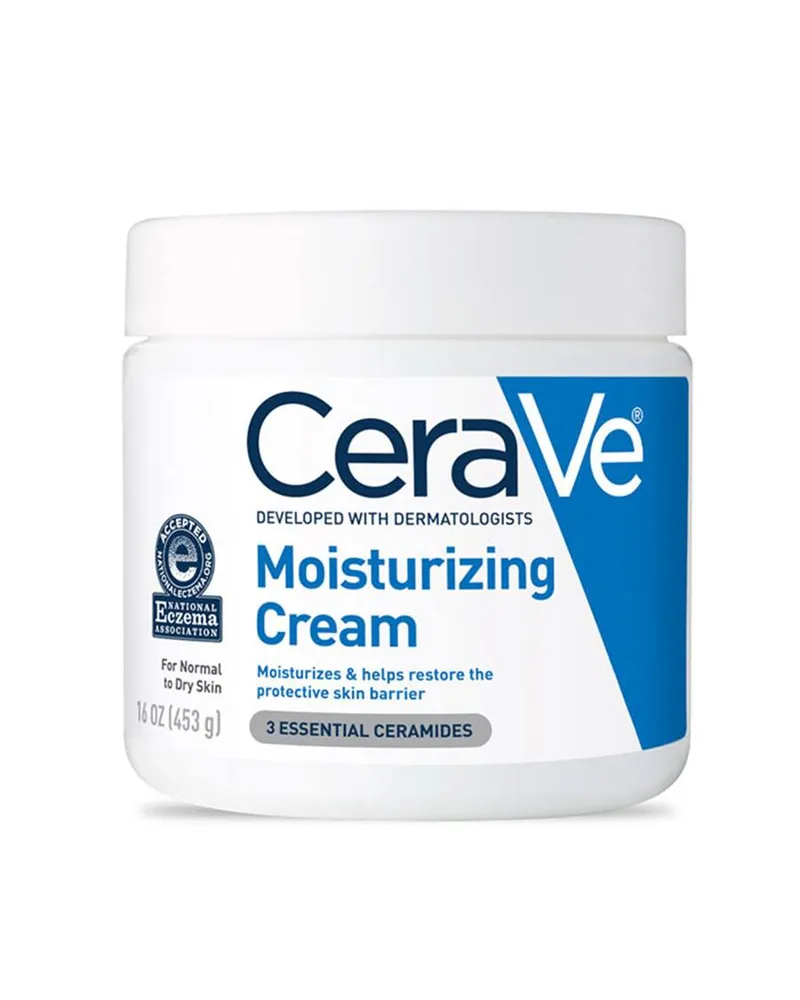
Redness should be calming down by now, and the stinging reaction to normal products should be fading. This is the window to lean on ceramides and humectants — ingredients that rebuild rather than treat. Our ceramides guide and panthenol breakdown both cover why these specific ingredients matter more than anything marketed as “soothing.”
A rich, boring moisturizer does more here than anything exciting will:
CeraVe Moisturizing Cream
CeraVe
$19
★★★★½
If redness and itchiness are still part of the picture, colloidal oatmeal is the one ingredient with actual FDA recognition as a skin protectant — not just a trend ingredient with a calming reputation.
Aveeno Calm + Restore Oat Gel Moisturizer
Aveeno
$17
★★★★☆
Weeks 4–8: Simplify before you reintroduce
Don’t bring actives back yet, even if things feel mostly normal. “Mostly normal” and “fully recovered” aren’t the same thing, and reintroducing too early is how people end up back at week 1. This is a good stretch to consolidate steps rather than add them. If you want fewer products doing more, our three-in-one oil routine and minimalist 3-step routine are both built for exactly this phase.
An oil-based option worth considering here is the Kerala Botanics Ayurvedic Vitamin C Face Oil. It combines a stabilized form of vitamin C with bakuchiol, a gentler retinol alternative, in one step that replaces serum and moisturizer. For a barrier that’s still rebuilding, this matters: fewer products means fewer chances to reintroduce irritation before you’re ready. It’s not for everyone — the oil format can feel heavy on oilier skin, and it doesn’t have the clinical backing of a lab-formulated vitamin C serum. But as a low-step way to bring some brightening and gentle retinization back in without a full routine, it’s a solid option.

Ayurvedic Vitamin C Face Oil
Kerala Botanics
$49
★★★★☆
Weeks 8–12: Reintroduce one thing at a time
Bring back a single active, at the lowest frequency, and wait two full weeks before judging it or adding a second one. Skin cycling is a useful framework here because it builds in recovery nights by design, rather than leaving you to guess.
Most people are fully recovered by the 12-week mark. If you’re still reacting to everything at that point, something else may be going on — true rosacea, a fragrance allergy, or an undiagnosed condition like perioral dermatitis or seborrheic dermatitis. That’s worth a dermatologist visit, not another product swap.
If It’s Actually Sensitive Skin
If your self-assessment points to true sensitive skin — lifelong, consistent, tied to specific triggers — the goal shifts. You’re not recovering. You’re maintaining.
That means patch testing everything new, without exception. Our patch test guide walks through how to do this properly rather than the half-hearted dab-on-the-wrist version most people do. It means choosing fragrance-free as a default, not an occasional accommodation. And it means accepting that some ingredients — strong acids, certain essential oils, high-percentage retinoids — may just never work for your skin, no matter how much hype they get.
If rosacea or eczema is part of the picture, our rosacea-friendly routine and adult facial eczema guide go deeper on building around those specific conditions.
Putting It Together
Sensitive skin is who you are. Sensitized skin is something that happened to you, and it has an end date if you treat it right. The fastest way to tell them apart is to ask whether this is new or whether it’s always been this way, and whether you can point to a cause.
If it’s sensitized, give it the full recovery window — strip back, rebuild, simplify, then reintroduce slowly. Rushing any of those steps is how a two-week problem turns into a two-month one. If it’s truly sensitive, stop looking for a fix and build a routine that just works with what you’ve got. Either way, the answer isn’t more products. It’s usually fewer, chosen more carefully.