
Routines
A Man's First Skincare Routine: Four Products, No Nonsense
Build your first men's skincare routine with just four products: a cleanser, moisturizer, SPF, and one active. No fluff, no 12-step nonsense.
Disclosure — This article may contain affiliate links. We earn a small commission at no extra cost to you when you purchase through our links. This supports our ability to create independent, evidence-based skincare content.
Here’s the thing about men’s skincare advice: most of it assumes you either want a twelve-step routine or zero routine at all. Neither is useful. The real answer is four products, used consistently, that do the actual work.
Skin doesn’t have a gender. Sebaceous glands, the stratum corneum, photoaging — none of that operates differently based on who’s looking in the mirror. What does differ, sometimes: shaving, thicker skin on average, and the fact that a lot of men are starting from scratch with zero existing habits. That last part is actually an advantage. No bad routines to undo.
This guide covers the four things worth doing, in the order you do them, plus how to handle the shaving piece without turning your face into a warzone.
Why Four Products and Not Two (or Ten)
Two products — a cleanser and a moisturizer — will keep your skin from getting worse. That’s a defensible position. But it leaves photoaging and whatever specific concern you have (oil, dark spots, texture, post-shave irritation) completely unaddressed.
Ten products introduces variables. If your skin reacts badly, you won’t know what caused it. You also won’t stick with it.
Four is the number where you get real results without making this a part-time job. Cleanser, moisturizer, SPF, and one active. That’s it.
Step 1: Cleanser
The goal of cleansing is to remove sweat, oil, and whatever landed on your face during the day. That’s it. A cleanser doesn’t treat anything — it just clears the path for everything else.
The mistake most beginners make is reaching for something that foams aggressively and leaves skin feeling “squeaky clean.” That tightness is your skin’s moisture barrier complaining. You want a cleanser that cleans without stripping.
Look for a gentle, non-foaming or low-foam formula with a neutral-to-slightly-acidic pH. Ingredients like ceramides, glycerin, or hyaluronic acid in a cleanser are fine — they won’t do much at rinse-off, but they signal that the formula isn’t going to be harsh.
Avoid anything labeled “deep cleaning,” “pore-clearing,” or “exfoliating” as a daily cleanser. You can get to that stuff later. For now, boring and gentle wins.
Morning or evening? Both, ideally — but if you’re picking one, evening is more important. You’ve accumulated more during the day.
For oily or acne-prone skin: A cleanser with salicylic acid (a BHA that cuts through oil and reaches into pores) used once daily, in the evening, is a reasonable upgrade. Just don’t use it twice a day — you’ll overdry.
Our straightforward pick for most people:
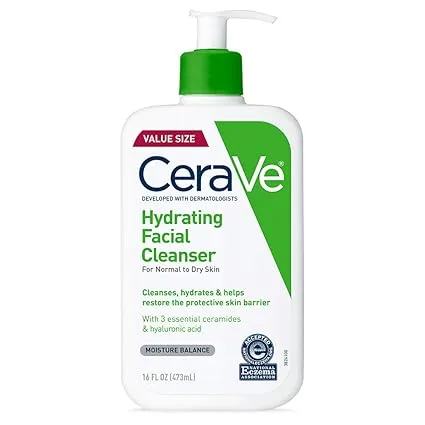
CeraVe Hydrating Facial Cleanser
CeraVe
$14
★★★★½
Ceramides support the skin barrier. Glycerin keeps things hydrated. It doesn’t strip. At $14 for a large bottle, there’s no version of this where it’s not worth trying first.
Step 2: Moisturizer
Moisturizers do two things: they pull water into the outer layers of skin (humectants like glycerin and hyaluronic acid), and they slow down water loss once it’s there (occlusives like petrolatum, and emollients like ceramides or fatty acids). A good moisturizer has both.
Men’s skin tends to run oilier than average, and the common response is to skip moisturizer entirely. This is counterproductive. Dehydrated skin overproduces oil to compensate. A lightweight moisturizer in the morning can actually reduce how shiny you look by midday.
What to look for: ceramides (which reinforce the barrier), glycerin or hyaluronic acid (humectants), and niacinamide (vitamin B3, which does more than it has any right to — read the full breakdown here). Avoid anything heavily fragranced, especially if you shave. Fragrance on freshly shaved skin is a shortcut to irritation.
For most skin types, a single moisturizer morning and evening is all you need. If your skin is oily, go lighter in the morning (gel or lotion texture). If it’s dry, a cream formula will hold up better.
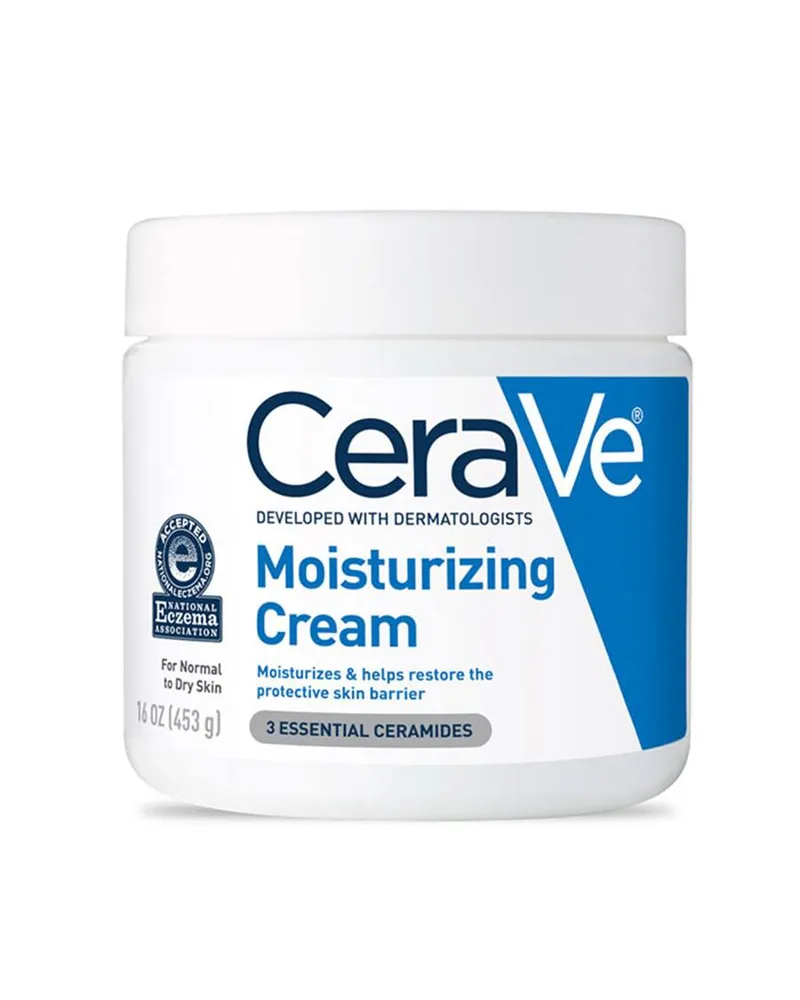
CeraVe Moisturizing Cream
CeraVe
$19
★★★★½
If you want something that also functions as your vitamin C treatment and facial oil in one step — and you’re open to an oil-based format — the Kerala Botanics Ayurvedic Vitamin C Face Oil is worth considering. It combines a stabilized, oil-soluble form of vitamin C with bakuchiol (a plant-based compound with retinol-like effects), which makes it a functional multitasker for anyone who wants to simplify. It won’t suit everyone — oily skin may find it heavy, and the oil texture isn’t ideal under certain SPFs — but for normal to dry skin types who want to consolidate steps, it’s a legitimate option.
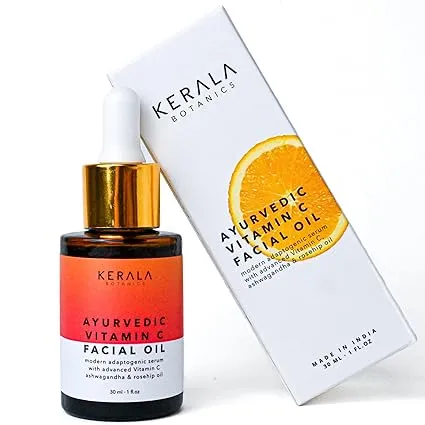
Ayurvedic Vitamin C Face Oil
Kerala Botanics
$49
★★★★☆
Step 3: SPF
Sunscreen is the one thing with the clearest, least-disputed evidence behind it. UV exposure is the single largest driver of visible skin aging — wrinkles, dark spots, loss of firmness. All of it. The studies on this are not close calls.
SPF 30 blocks about 97% of UVB rays. SPF 50 gets you to about 98%. The difference is real but not dramatic. The more important variable is whether you’re actually applying enough — most people use a third of the amount needed to achieve the labeled SPF. A rough guide: a full teaspoon for your face and neck. More on application amounts here.
Chemical vs. mineral: Chemical sunscreens (avobenzone, octinoxate, newer filters like bemotrizinol) tend to be invisible and comfortable to wear. Mineral sunscreens (zinc oxide, titanium dioxide) sit on top of the skin and can leave a white cast, though formulations have improved significantly. For men who shave, mineral sunscreens are sometimes gentler on freshly shaved skin. For darker skin tones, the white cast from mineral formulas is worth avoiding — see our guide on sunscreens for deeper skin tones.
A few things to look for in a daily sunscreen: broad-spectrum coverage (UVA and UVB), a non-greasy finish, and a formula that works under whatever you’re putting over it. If it feels bad to wear, you won’t wear it.
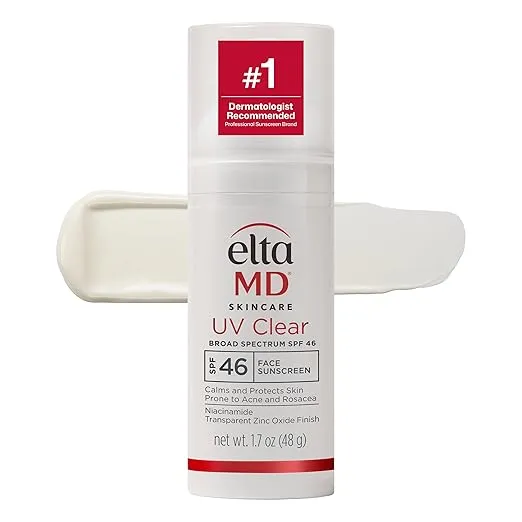
EltaMD UV Clear Broad-Spectrum SPF 46
EltaMD
$45
★★★★½
EltaMD UV Clear is a dermatologist favorite for a reason: it’s lightweight, contains niacinamide, and doesn’t pill under other products. The price is real, but you’re using a small amount daily — a bottle lasts longer than you’d expect.
Step 4: One Active
This is where you address whatever specific concern you actually have. Pick one, use it consistently, and give it at least eight weeks before deciding whether it’s working. Timelines for skincare to work are longer than most people expect.
For oiliness and large pores: Niacinamide (vitamin B3) at 5–10% is the most evidence-backed option for regulating sebum production and minimizing the appearance of pores. It’s also anti-inflammatory, which makes it useful for post-shave redness. The Ordinary’s 10% formula is $12. There is no meaningful reason to spend more on this particular ingredient.
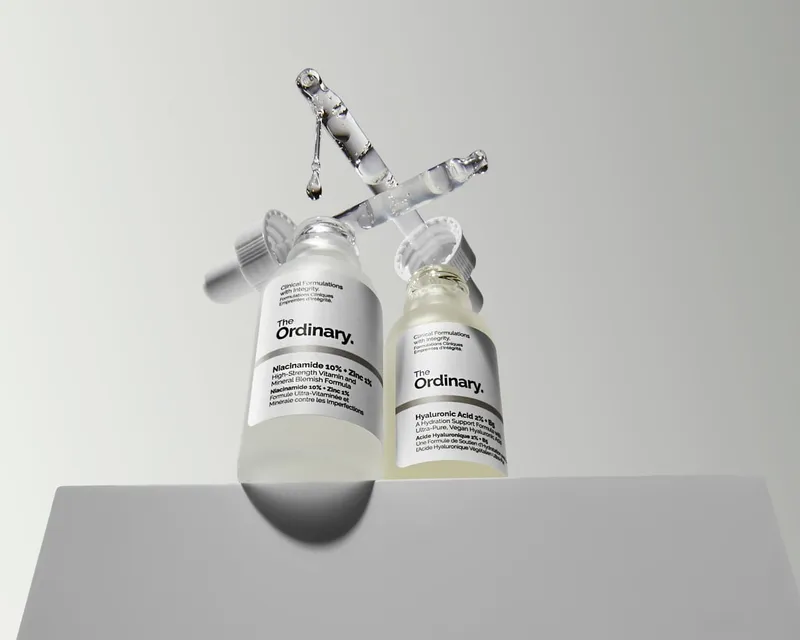
The Ordinary Niacinamide 10% + Zinc 1%
The Ordinary
$12
★★★★☆
For uneven texture, dark spots, or dullness: A vitamin C serum (L-ascorbic acid, the most studied form) applied in the morning helps with brightening and provides antioxidant protection that complements your SPF. The shelf stability problem with L-ascorbic acid is real — look for opaque, airless packaging and use it within three months of opening. More on why vitamin C serums oxidize.
For early signs of aging or rough texture: Retinol (the OTC version of tretinoin) is the most well-documented anti-aging ingredient in skincare. Start at 0.025% or 0.05%, use it two to three nights per week, and build from there. Expect some dryness and flaking in the first few weeks — that’s normal. The beginner’s guide to tretinoin is worth reading if you want the prescription-strength version. For a gentler entry point, bakuchiol works through a different mechanism but produces similar results without the irritation — see the full comparison.
Choose one of these based on your primary concern. Not two. Not three. One.
The Shaving Problem
Shaving is, mechanically speaking, physical exfoliation of the most aggressive kind. You’re dragging a blade across your skin and removing the top layer of cells along with the hair. Done well, it’s fine. Done carelessly, it causes razor burn, ingrown hairs, and enough inflammation to make any active ingredient sting.
A few things that actually matter:
Shave after washing. Warm water softens the hair shaft, which means less resistance and less irritation. Shaving dry, or before cleansing, is harder on your skin than it needs to be.
Use a shaving cream or gel, not soap. The lubrication is the point. Bar soap doesn’t provide enough slip.
Rinse with cool water afterward. Not because of any particular biological reason — it just helps constrict blood vessels briefly and feels less inflammatory.
Apply moisturizer right after. The barrier is compromised post-shave. A ceramide-based moisturizer helps. Anything with fragrance, alcohol, or a high concentration of actives (especially acids or retinol) will sting and may cause contact dermatitis. If your aftershave burns, that’s not it working — that’s irritation.
Ingrown hairs in the beard area: This is a chronic problem for a lot of people, particularly those with coarser or curlier hair. A low-percentage BHA (salicylic acid at 0.5–2%) used a few times a week in the affected area can help by keeping the follicle opening clear. Go gentle. This is already irritated skin.
The Order, Written Out Simply
Morning:
- Cleanser
- Active (if it’s a vitamin C serum or niacinamide — these go on before moisturizer)
- Moisturizer
- SPF
Evening:
- Cleanser
- Moisturizer
- Active (if it’s retinol or bakuchiol — these go at night)
If you’re using the Kerala Botanics oil as your moisturizer and active in one step, apply it after cleansing in the evening and follow with SPF in the morning separately.
For a deeper look at layering logic, this guide covers the order that actually matters.
Putting It All Together
Four products. Cleanser, moisturizer, SPF, one active. That’s the whole thing.
It will take about ninety seconds in the morning and another ninety at night. The results — reduced inflammation, better hydration, meaningful sun protection, and progress on whatever specific concern you chose to address — compound over time. Eight weeks of consistency will do more than a month of trying ten different things.
Start here. If you want to add something later, you’ll at least have a stable baseline to build from. Most people find they don’t need much more than this anyway.
And if the $14 cleanser and $12 niacinamide work, there’s nothing telling you to upgrade. Boring products used consistently beat expensive ones used occasionally. Every time.