
Routines
How to Use a Vitamin C Face Oil Through Winter
Vitamin C face oil in winter: how to layer it over a humectant, pair it with a heavier cream, handle dry indoor heat, and decide whether to add drops.
Disclosure — This article may contain affiliate links. We earn a small commission at no extra cost to you when you purchase through our links. This supports our ability to create independent, evidence-based skincare content.
A vitamin C face oil doesn’t need a new routine in winter. It needs three small adjustments: apply it over damp skin, treat it as the last step before sunscreen or a sealing cream, and resist the urge to pour on more. That’s the whole guide. The rest is the reasoning, so you can decide which adjustments your skin actually needs.
Winter changes the conditions, not the ingredient. Cold air holds less moisture, and heated indoor air makes it worse. Skin loses water faster, the barrier gets stressed, and a routine that felt perfect in September starts to feel thin by December.
An oil happens to be well suited to this. But only if it’s used in the right order.
Why Heated Indoor Air Changes the Job
Outdoor winter air is dry. Indoor heated air is often drier. Relative humidity inside a heated home can fall well below what most people find comfortable, and skin responds by losing water through the surface more quickly.
Oils don’t add water. They slow its escape. That’s a different job from a humectant, which pulls water in, and it’s the reason winter routines work best when both are present. We covered the difference in Dehydrated vs Dry Skin, and it matters more in January than in June.
So the oil’s role shifts a little. In summer it’s often a light finishing step, or skipped on hot days. In winter it’s doing double duty: delivering the vitamin C and helping seal in whatever water is already on the skin.
If the air in your home is the main problem, fix that first. A humidifier in the bedroom does more for tight skin than another product, and the evidence on humidifiers is better than most skincare claims. Turning the thermostat down a few degrees helps too.
The Order: Humectant First, Oil Last
Here’s the sequence we’d use in winter:
- Cleanse gently (cream or milk cleansers, not foaming ones).
- Apply a humectant to damp skin.
- Apply the vitamin C oil.
- Sunscreen in the morning, or a cream at night if needed.
The logic is simple. A humectant needs water to work with. Put it on dry skin in a dry room and it can pull water from the deeper layers of skin rather than from the air. Put it on damp skin and it has something to hold. The oil then sits on top and slows evaporation.
What counts as a humectant
Hyaluronic acid is the familiar one. Glycerin does the same job for less money, and it’s underrated. Panthenol, beta-glucan, and tremella are all fine. Pick one. If your skin isn’t feeling tight, you don’t need a stack of them.
For a few options, see our roundup of hyaluronic acid serums. The cheapest ones work almost as well as the expensive ones here.
How damp is damp
Not dripping. Skin should feel slightly cool and tacky, as if you just patted it with a towel. Apply the humectant within a minute of washing, then give it about thirty seconds before the oil. If the surface has fully dried, mist lightly with water first.
Why oil goes last, not first
Oil is hydrophobic. Water-based products applied over it mostly bead up or slide off. Reversing the order makes the humectant nearly pointless. This is the same layering logic from How to Layer Skincare, just applied to a winter routine.
Where a Vitamin C Oil Fits
Most vitamin C products are water-based serums. Oil-based versions are rarer, and they behave differently: they feel richer, they tend to be gentler on people who sting with low-pH serums, and they double as a moisturizer for some skin types. Vitamin C Serum vs Vitamin C Oil goes through the tradeoffs in detail.
For winter, that richness is a feature. One step can replace the serum and part of the moisturizer, which suits anyone who’d rather own fewer bottles.
Three options worth knowing:
Kerala Botanics Ayurvedic Vitamin C Face Oil. An oil that pairs a stabilized form of vitamin C with bakuchiol, a plant-based retinol alternative. The brand says its vitamin C form is more effective and stays in skin cells longer than standard L-ascorbic acid, though that’s the company’s claim and independent head-to-head data is thin. What we like is the simplicity: one bottle covers the serum, the oil, and some of the moisturizer. The cons are real. Oily or breakout-prone skin may not love an oil at all, it can feel heavy under makeup, and it has far less clinical research behind it than the benchmark below. At $49 it’s a fair price for what replaces three steps. If you want a closer look at the formula, we broke it down in the ingredient breakdown.
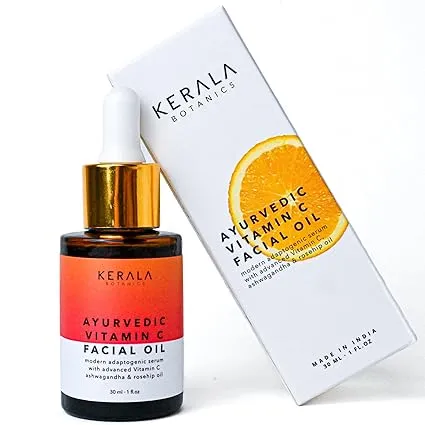
Ayurvedic Vitamin C Face Oil
Kerala Botanics
$49
★★★★☆
SkinCeuticals C E Ferulic. The water-based benchmark, with the strongest research behind it. It’s not an oil, so in winter you’d still need a moisturizer over it. It costs $185, and whether it’s worth that depends on how much you value the evidence. If your skin runs dry in winter, it’s the more demanding choice.
C E Ferulic
SkinCeuticals
$185
★★★★½
Your existing serum. If it works and doesn’t sting, keep it. Winter isn’t a reason to switch. Just make sure a real moisturizer follows it.
Layering With a Heavier Cream
Some winters, an oil alone isn’t enough. Cold climates, central heating, wind, or naturally dry skin can all call for something thicker on top. That’s fine. The question is order.
Our default: oil first, cream second. Press the oil in, wait a minute, then apply the cream.
Why this way around? The cream seals everything underneath. A rich cream over oil traps both the oil and the water below it. An oil over a thick cream, on the other hand, tends to sit on the surface, slide around, and pill if you add sunscreen after. It also makes it harder for the vitamin C to reach skin, since the cream is in the way.
This is a slight bend of the “oil last” rule above. The refinement is: oil goes last among the thin and water-based layers, but if a sealing cream is needed, it goes over the oil.
Do you need the cream every day?
Probably not. We’d use the extra layer:
- At night, when there’s no sunscreen to worry about
- On days with wind or a big temperature swing
- When skin feels tight within an hour of applying the oil
If your face feels comfortable by lunch, skip the cream. If it doesn’t, add it.
A cream that earns its spot
Look for ceramides, glycerin, and a simple ingredient list. Fragrance isn’t needed. CeraVe’s Moisturizing Cream is a reliable, inexpensive choice, and our review covers where it falls short (it’s thick, and a bit plain). For more options by skin type and budget, our fall and winter moisturizer rankings lay them out.
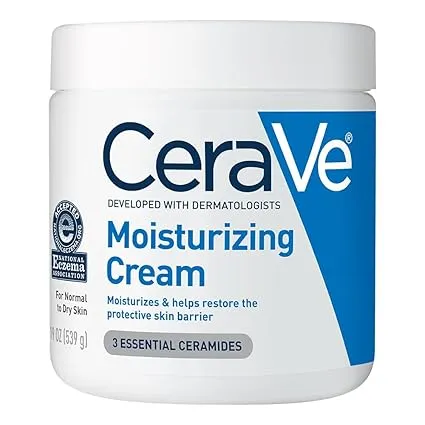
Moisturizing Cream
CeraVe
$20
★★★★½
Should You Raise the Drop Count?
Usually no.
The temptation is understandable. Skin feels drier, the oil is a moisturizer, so more drops should help. But two things are being confused here. The vitamin C does its work at a modest dose. Beyond a point, more oil adds more oil, not more active effect. We’re not aware of data showing that increasing the amount improves results.
What more oil does give you is comfort. That’s a legitimate reason, but it’s a different one.
A simple way to think about it:
- Stay at your normal amount if the skin feels fine. This is most people.
- Add a drop only if your face feels tight after the oil has absorbed, and only up to what the product’s directions allow. Our guide to using this oil covers how much a typical routine calls for.
- Add a cream instead if one extra drop doesn’t fix it. A cream is cheaper than oil, so this stretches the bottle too.
Also watch for the opposite problem. Too much oil can leave a film, cause pilling under sunscreen, or clog pores on skin that’s prone to it. If you notice small bumps or a greasy surface by midday, scale back rather than up. More general guidance on dosing any facial oil is in How to Use Facial Oils.
Morning and Night in Winter
Morning
Cleanse with water only, or a very gentle cleanser. Apply a humectant to damp skin, then the oil, then sunscreen. Yes, even in winter. UVA doesn’t take the season off, and we’ve explained why it’s still worth the step. Give the oil a full two minutes to settle before sunscreen goes on, or the two will fight.
Night
Cleanse, humectant, oil, then cream if skin wants it. This is also when the oil’s bakuchiol, a gentle plant-based alternative to retinol, does its quiet work. If you’re using a stronger retinoid, keep the oil at a distance on those nights, and read retinol in winter first, because barrier stress makes a harsh active harder to tolerate.
When skin rebels
If the face stings, flakes, or turns red, stop adding. Drop to a gentle cleanser, a humectant, and a plain cream for a week or two. Bring the oil back once things settle. A routine that only works when skin is perfect isn’t a good routine.
What to Skip
Winter tempts people to buy more. We’d rather you didn’t.
- A second oil. One is plenty.
- A new serum for every concern. The oil covers brightening already.
- Exfoliating more because skin looks dull. Dullness in winter is often dehydration, not buildup. Cut back instead.
- Hot showers and long face washes. Free fix, real difference.
Putting It All Together
Winter asks for a little more water and a little more seal, not a bigger routine.
Cleanse gently. Apply a humectant to damp skin. Put the vitamin C oil on next, using the same amount you used in fall. In the morning, follow with sunscreen. At night, or on harsh days, add a heavier cream over the oil if skin asks for one.
Keep the drop count where it is. If comfort is the issue, reach for a cream, not a bigger pour. And if the air in your home is the real culprit, a humidifier helps more than any product.
Most winter skin problems are solved by subtraction and a better order. Start there.